![[dunas of maranhão-brasil]](https://antoniomozetophotography.com/wp-content/uploads/2021/12/dunas-2-0059.jpg?w=924&h=0&crop=1)

[dunas of maranhão-brasil]
The great US photographer William Christenberry (1936-2016) (https://en.wikipedia.org/wiki/William_Christenberry) once said (https://www.theguardian.com/artanddesign/2010/oct/03/myth) -manners-and-memory-review): “I don’t want my work to be thought of in terms of nostalgia. It’s a matter of place and sense of place. I’m not looking back with nostalgia for the past, but for the beauty of time and the passage of time.”
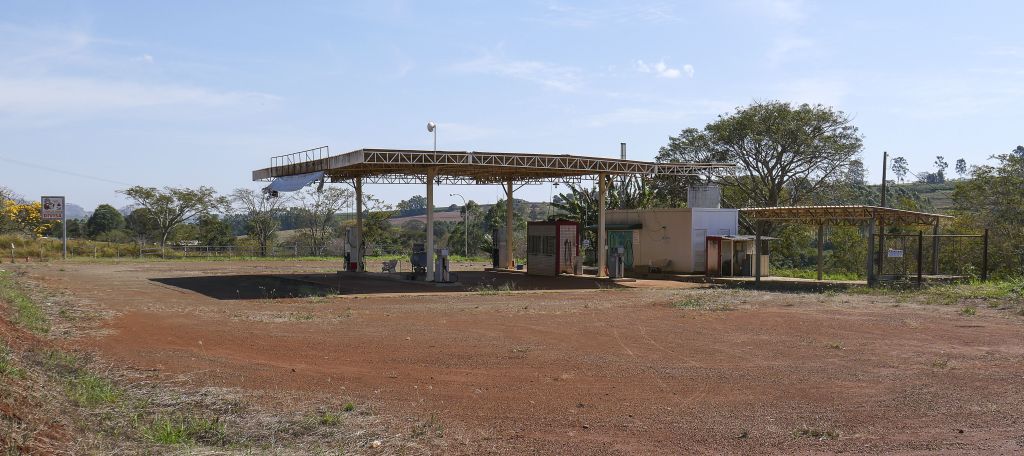
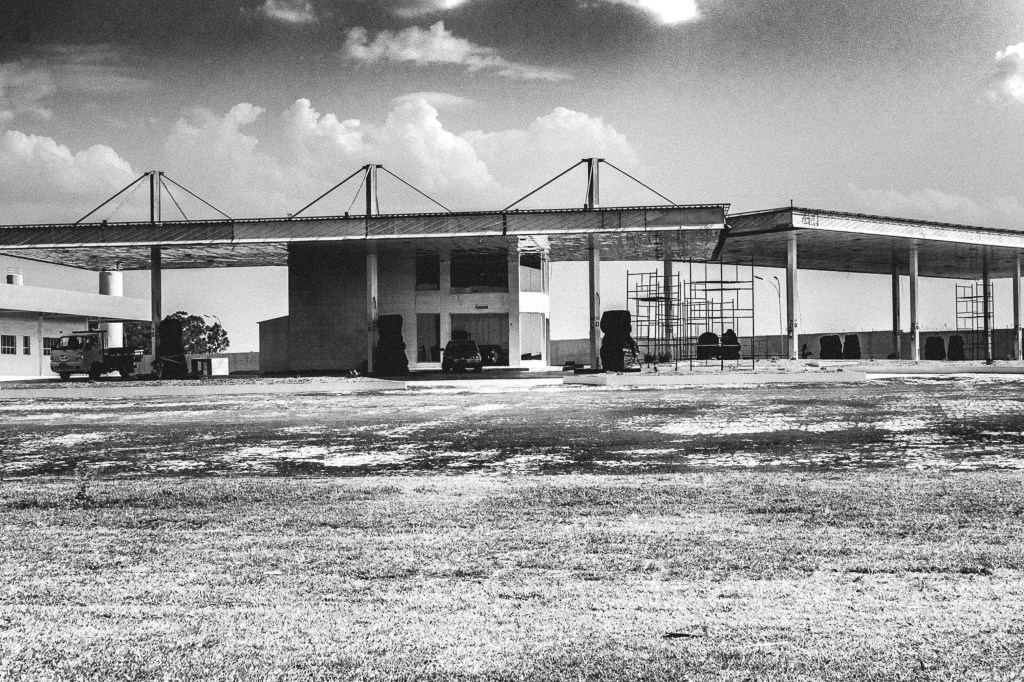
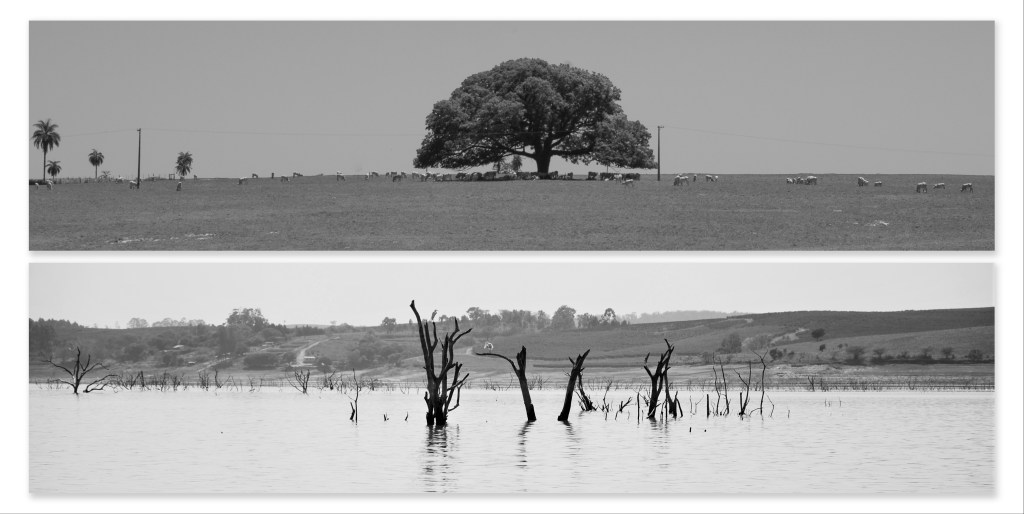
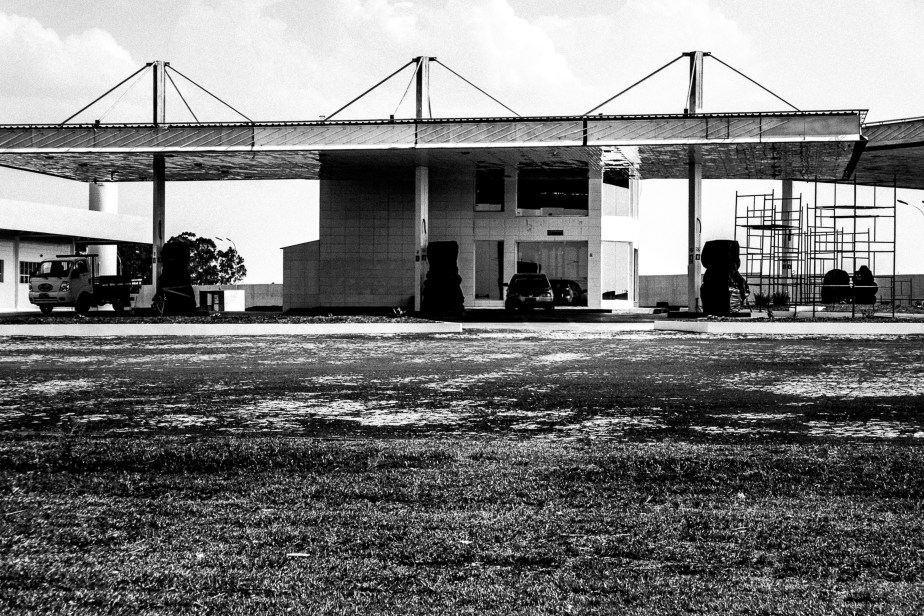
I echo the words of William Christenberry. These are the same reasons that motivate me to take photographs of buildings – many of them old and/or abandoned –, objects and landscapes from the interior of the state of São Paulo and other parts of the interior of Brazil.

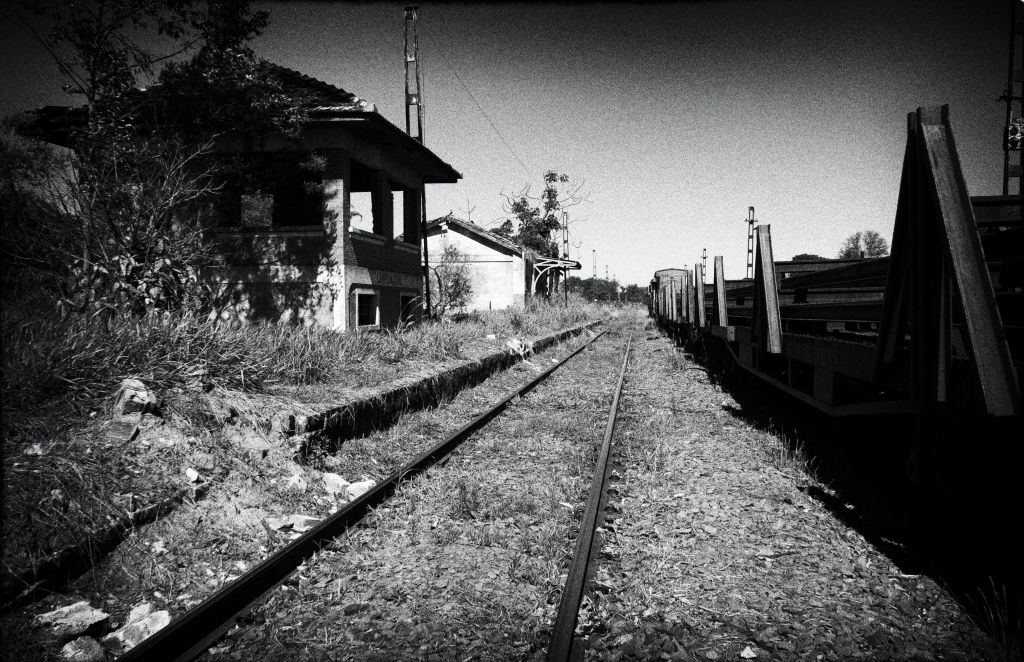
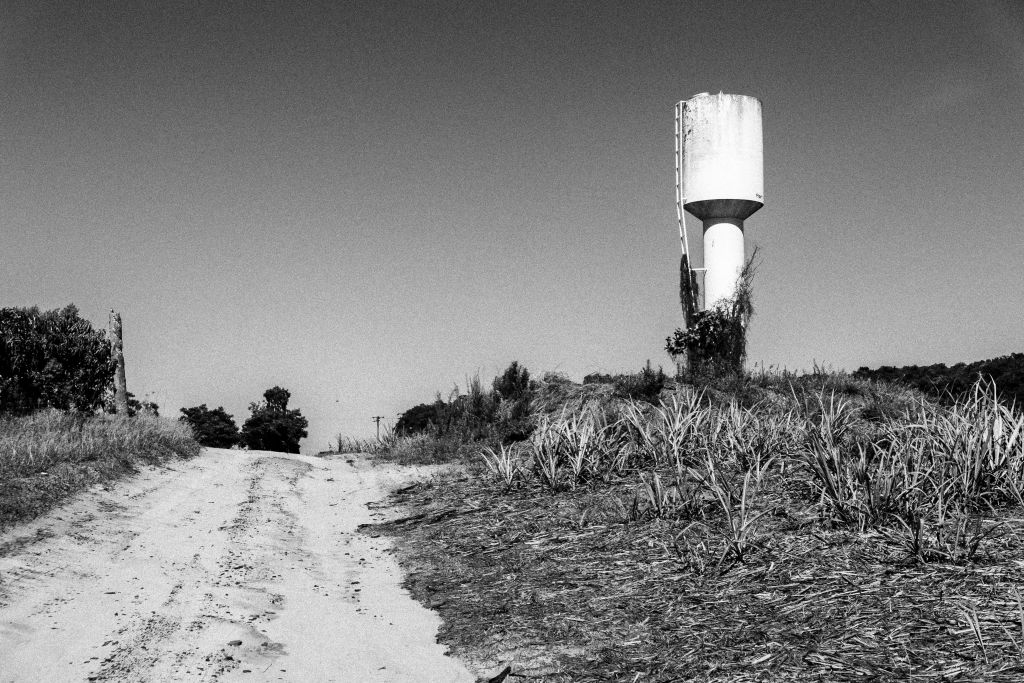
…recent shots from my project NEW TOPOGRAPHICS of the state of São Paulo, SE Brazil….


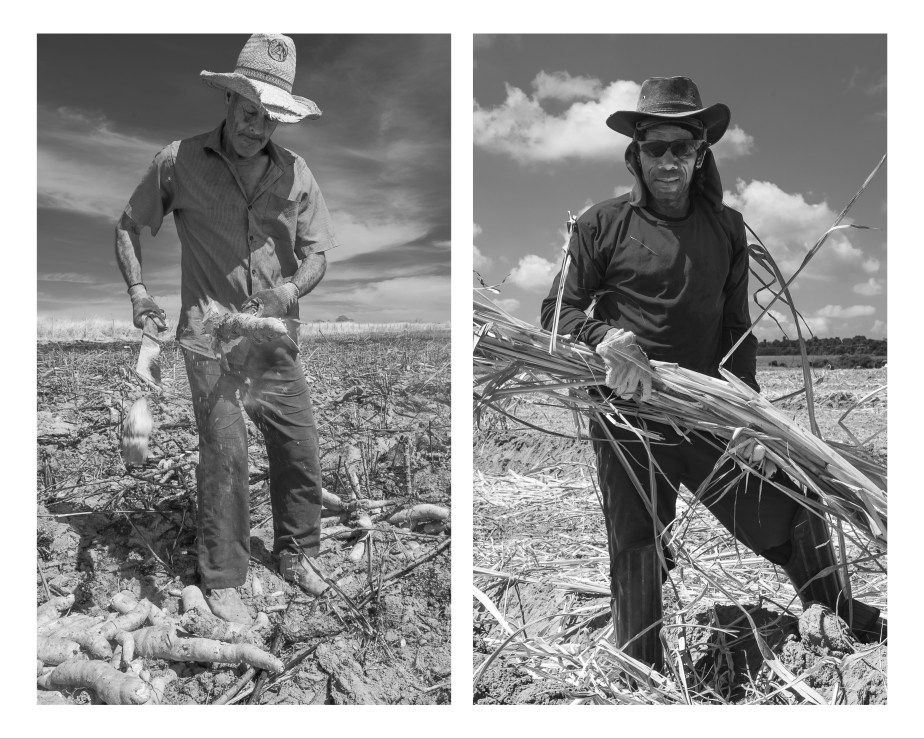
RURAIS is a book of black and white photographs of rural workers in Brazil published by Editora Origin which was curated by Juan Esteves and an exceptional graphic design by Roberto Weigand.
The book features 98 photographs (148 pages – 25cm high x 23cm wide) of various rural workers from four Brazilian states in their work environments and was beautifully printed in full black + yellow Pantone off set system on Masterblank 270g/m2 paper (front of laminated cover) and the inside in Munken Lyns Rough 120g/m2 paper with a print run of 500 by Gráfica e Editora Ipsis in September 2021.
Several of the photographs are accompanied by original chronicles written by me as a narrative about rural life in Brazil that also reflect my experience in the various photo sessions with rural workers portrayed in the book throughout the interior of the states of São Paulo, Minas Gerais, Goiás and Mato Grosso do Sul, as well as my childhood and adolescence memories lived in a rural area in the state of São Paulo.
The book will be released at the Casa de Cultura Odisseia (Al. Ministro Rocha Azevedo, 463 SÃO PAULO, SP) on 10/23/2021 from 11:00 am to 6:00 pm, when some photographs of my project will also be exhibited till 11/17/2021. Book and photos will be for sale locally, as well as being purchased directly from me.
A release live will be held on the website of the Festival Hercule Florence coordinated by Ricardo Lima and with mine and the participation of Juan Esteves (book curator) on 10/21/2021 at 19:00 to be published in social media in the near future (facebook and instagram). ON THIS OCCASION WE WILL SELECT COPIES OF THE BOOK AMONG THE PARTICIPANTS.


Mario Giacomelli, born in Senigallia, Italy on 08/01/1925 and died in Senigallia on 11/25/2000, was a great Italian and world photographer, but he was also a typographer and painter.
Continue reading “Giacomelli once again: ‘paesaggio-agricolo’ and ‘la buona terra’”
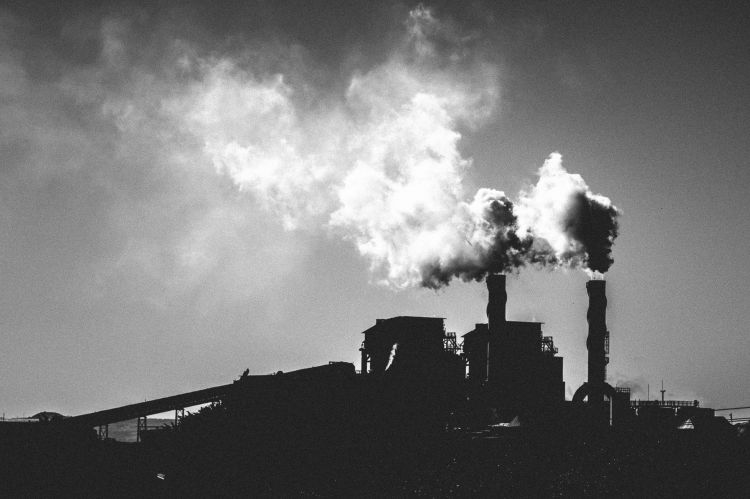
I understand that these photos show the tremendous strength that the sugar and alcohol (ethanol) industry has in Brazil, especially in the interior of the state of São Paulo.
But – it seems to me that there is always a but or more than one – it is a type of industrial activity that, although it has improved a lot in terms of negative environmental impact in recent decades, still causes environmental impacts and many of them are still unknown and difficult to be properly evaluated.
But, in life, we often look at certain issues from the lyrical side and I want to focus my attention on this aspect of what I do and see these photos that I take, even though I can’t get rid of the memory of the aforementioned social and environmental impacts.

(*) inspired by the lyrics and music of Jose Rodrigues Trindade and Luis Otavio De Melo Carvalho – “Casa no Campo” – and sung in the voice of Elis Regina.
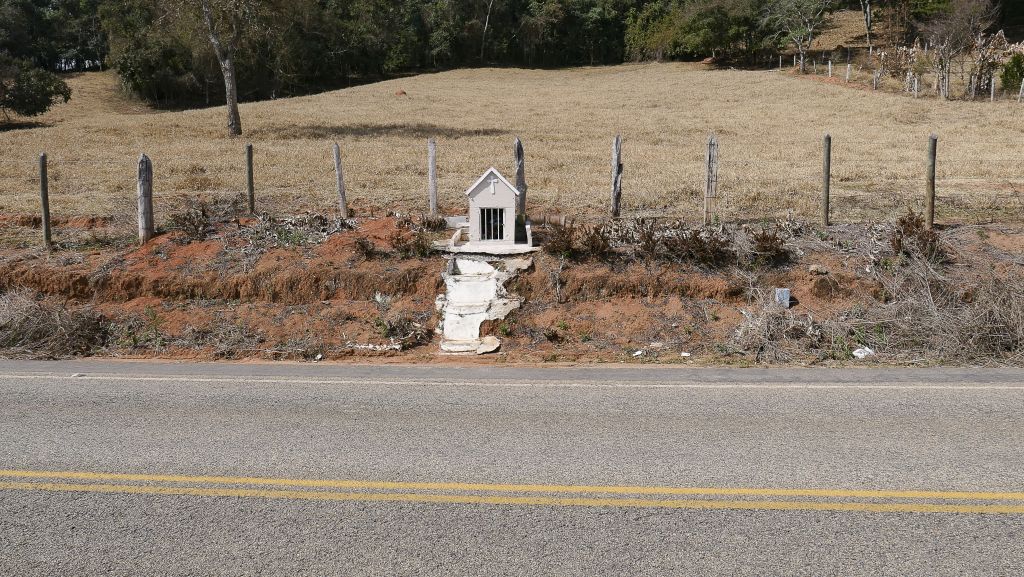
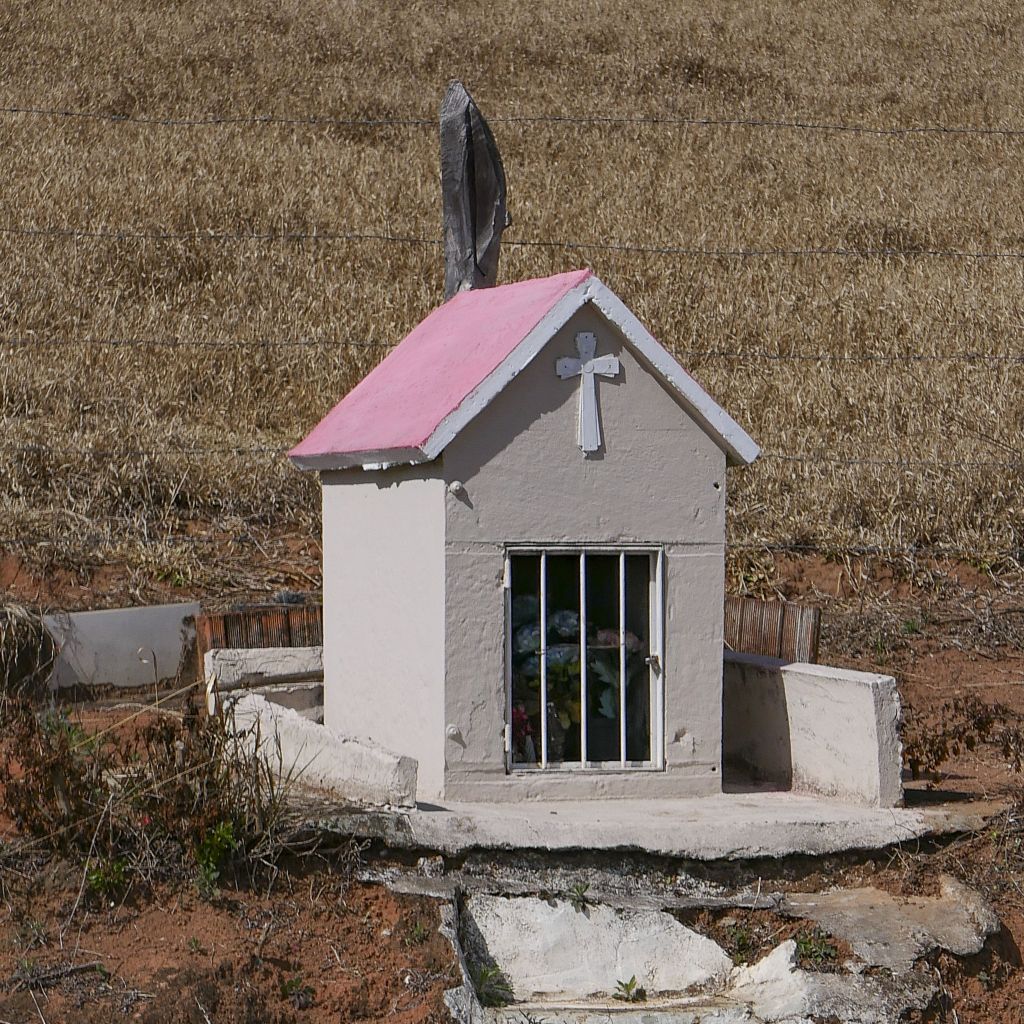
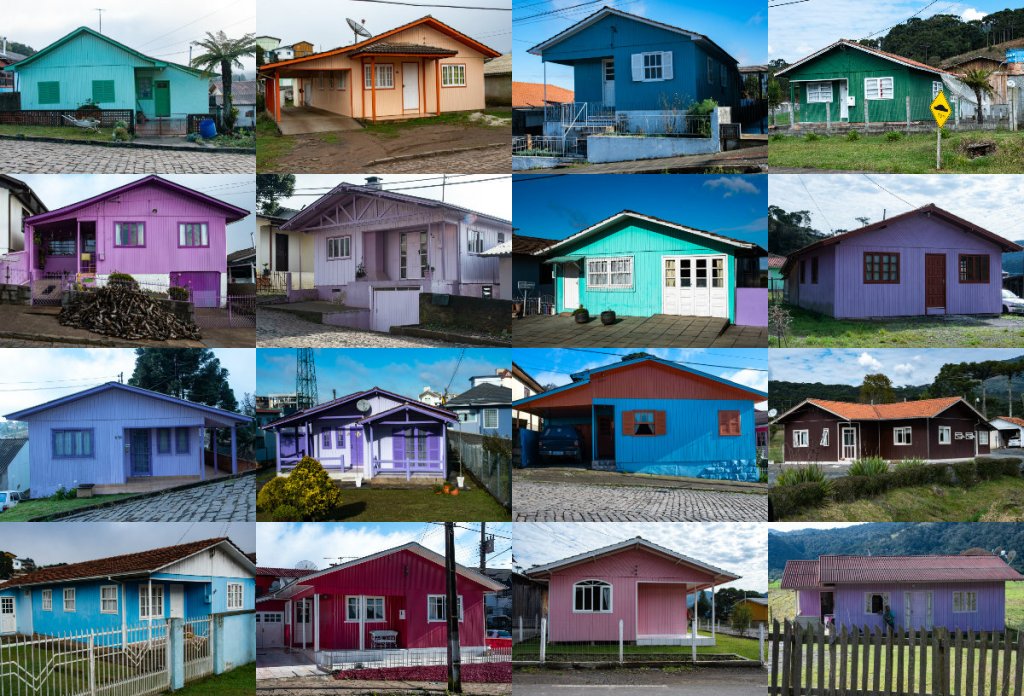
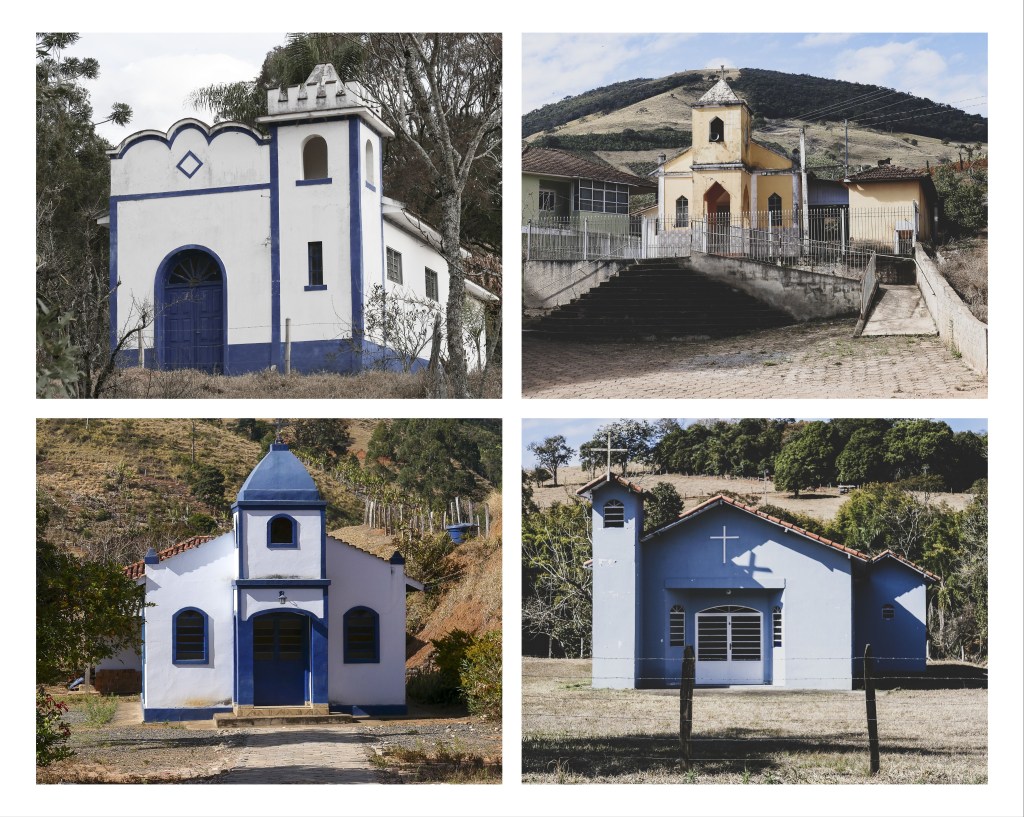
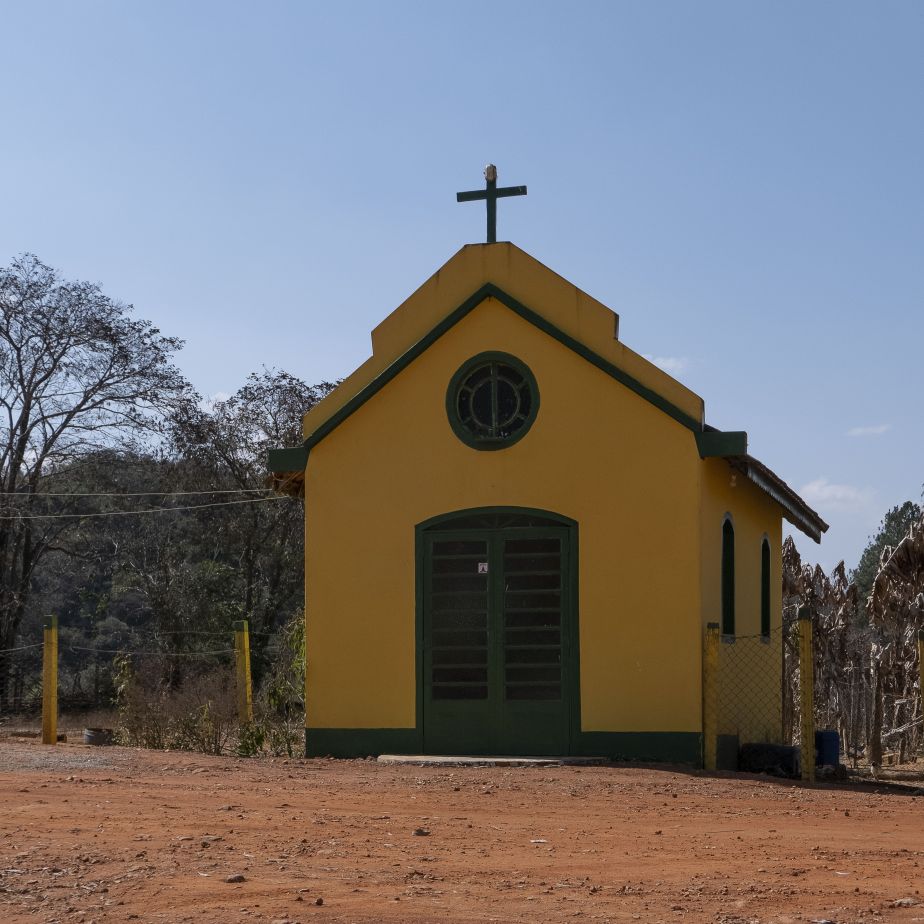
Within my project of New Topographics of the Interior of Brazil I photograph in my trips very small rural chapels beside roads in very small towns where the roads usually pass alongside them or in the middle.
These polyptychs that I present are from chapels in the south of the state of Minas Gerais, southeastern Brazil, which is a region very prodigal in this type of historic architecture. Some of them are simply a delight.
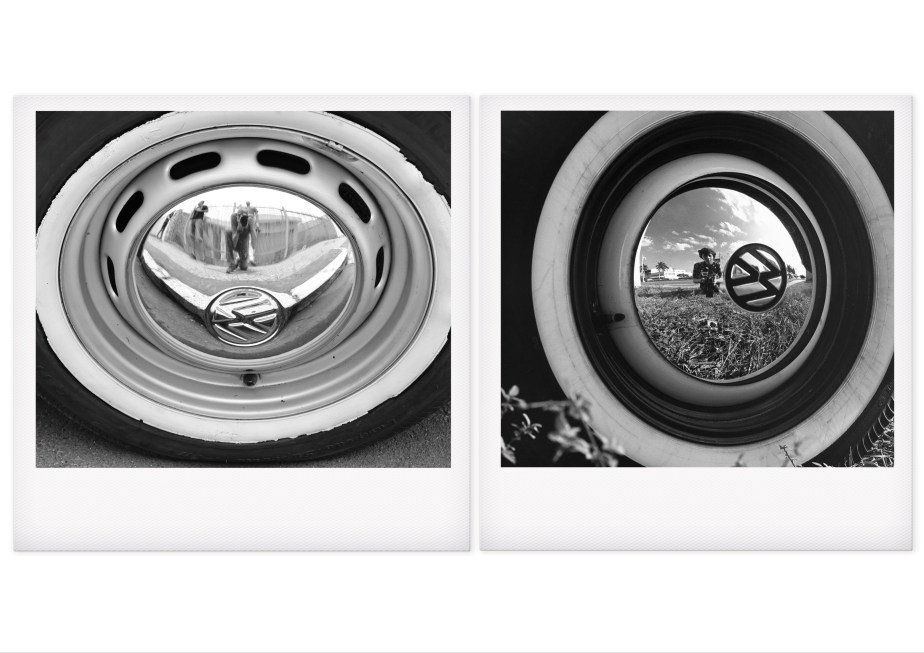
I’m (almost) absolutely sure you won’t believe it: I never seek to mimic/emulate (or using a uglier word in this case: imitate, copy) photographs of great masters (of all of us photographers, I believe), but this ghost (if it’s really a ghost he’s a good one) chases me….even though, premeditatedly (this is another thing I don’t think you’ll believe), I never go out to my photo shoots with that idea in my head. But, they keep happening through the years. Here I show SEVEN examples.
![[place and memory in photography: the beauty of time; the passage of time]](https://antoniomozetophotography.com/wp-content/uploads/2021/11/faz-santo-ignacio-de-loyola-broa_brotas-21nov2021-0124.jpg?w=924&h=0&crop=1)



![[new topographics of são paulo state, brasil]](https://antoniomozetophotography.com/wp-content/uploads/2021/09/usina-raizen-brotas-estrada-torrinha-31ago2021n-0087.jpg?w=924&h=0&crop=1)

 Antonio Mozeto