{memory and impermanence}
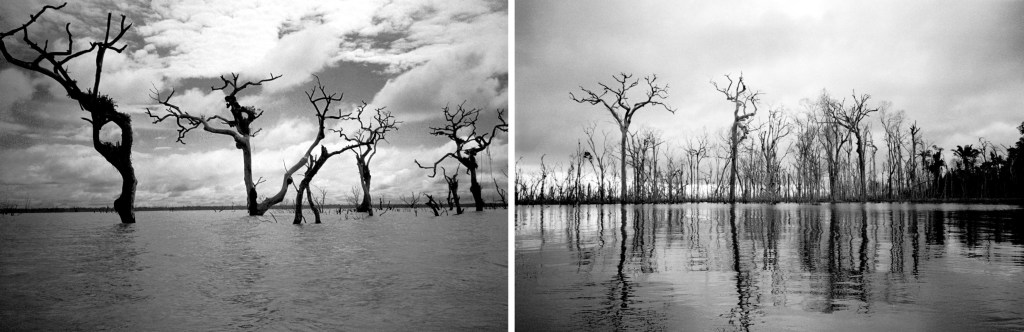
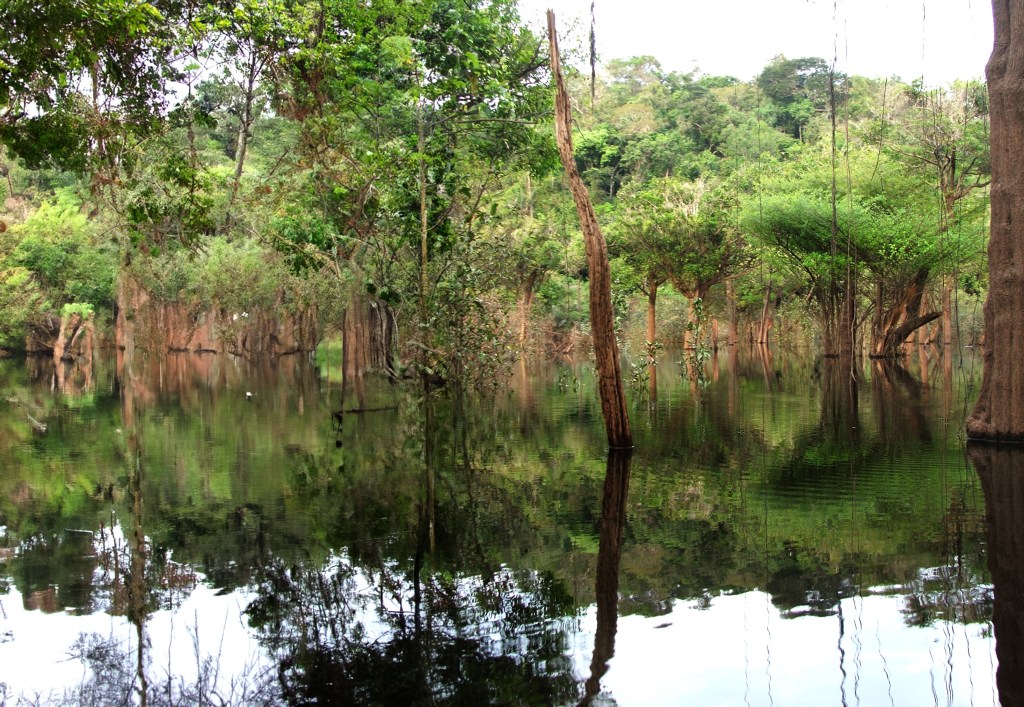
More than merely recording a landscape, this diptych reveals the marks of time inscribed upon the terrain. The dead trees and their reflections transform into traces of environmental and historical processes that go beyond what the image shows at first glance.
Photography thus takes on the nature of a true crystal window: a revealing device capable of making hidden dimensions of the landscape visible and expanding our perception of the world we inhabit.
Photos: ‘Paliteiro’ [Forest of Snags], Tucuruí Hydroelectric Reservoir, Pará, Brazil. February 1988.
Analog photographs on Fuji Superia 100 film.





![[_d_u_n_e_s]](https://antoniomozetophotography.com/wp-content/uploads/2023/02/foz-velho-chico-dunas-01_06fev23l11-1025884.jpg?w=924&h=0&crop=1)







![[paths I’ve been walking]](https://antoniomozetophotography.com/wp-content/uploads/2023/01/bairro-tanquinho-borborema-26dez2022b1-.jpg?w=924&h=0&crop=1)