[poetry of architectural disillusionment]

[poetry of architectural disillusionment]

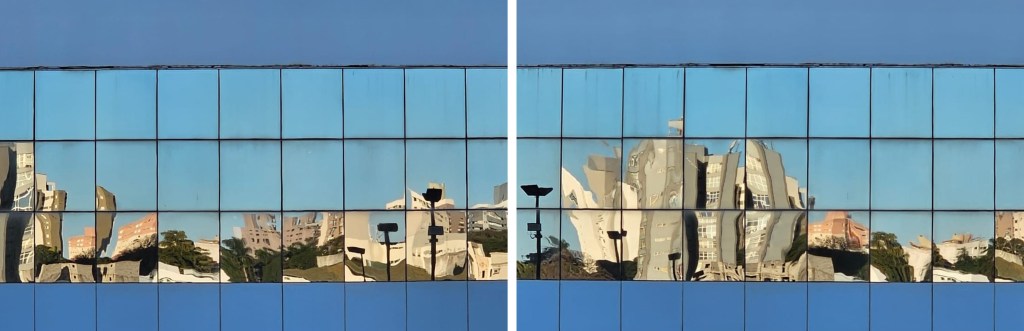
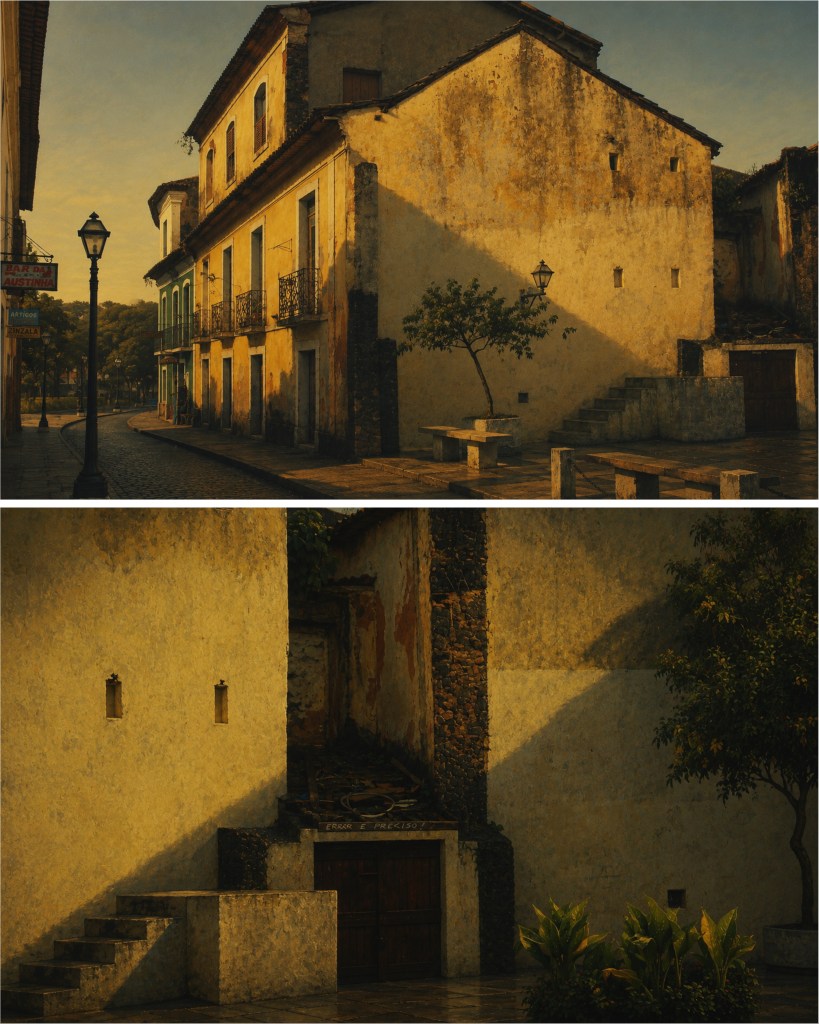
The city of Pirra (one of Calvino’s many incredible invisible cities), while merely imagined (and not yet visited by the traveler), inhabits a limbo; it is an incorporeal reflection.

In the dynamics of the city of Pirra, the glass grid represents the name “Pirra” or the mental blueprint: a clean, geometric, and predictable structure (the “towers and wide windows” Marco Polo imagined). The distorted reflections, meanwhile, represent the chaotic physical reality that dissolves the rigidity of our imagination. The real world “warps” the straight lines we create in our minds.

My Pirra exists only in a spectral state: it is there, yet intangible.
It exists solely as an image reflected on the glass surface, just as expectations exist only on the surface of our minds.

[Trajectory and belonging]

[Trajectory and belonging]
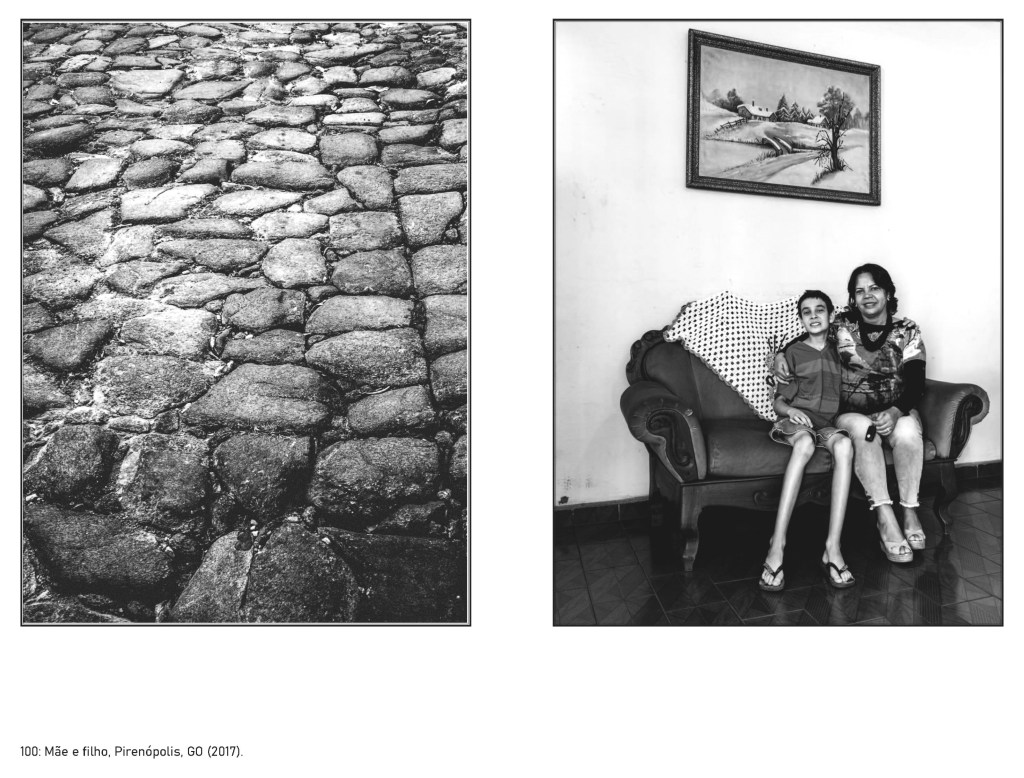
The stones seem to hold the echo of ancient footsteps. Mother and son, in turn, give substance to what time has not erased. Between them, the diptych bridges memory and presence, suggesting that a place is preserved not only in its physical forms but also in the people who continue to inhabit and reinvent it.

The diptych resonates particularly with certain cities in Italo Calvino’s *Invisible Cities*—places where identity is defined not by architecture but by memory, human relationships, and the persistence of time—especially Zaira, the city that “does not tell its past, but contains it.”

In Zaira, memory is inscribed in the streets, corners, walls, and objects, as well as in the stories and experiences of its inhabitants. The idea that “the path remains in the stones” speaks directly to this notion of a city that accumulates traces of the lives that have passed through it.

Cities are made less of stone than of the relationships, memories, and desires layered upon them (I. Calvino)

[lost in space and time]

Descalvado, SP Brasil. 2020.

Nothing stands the test of time.
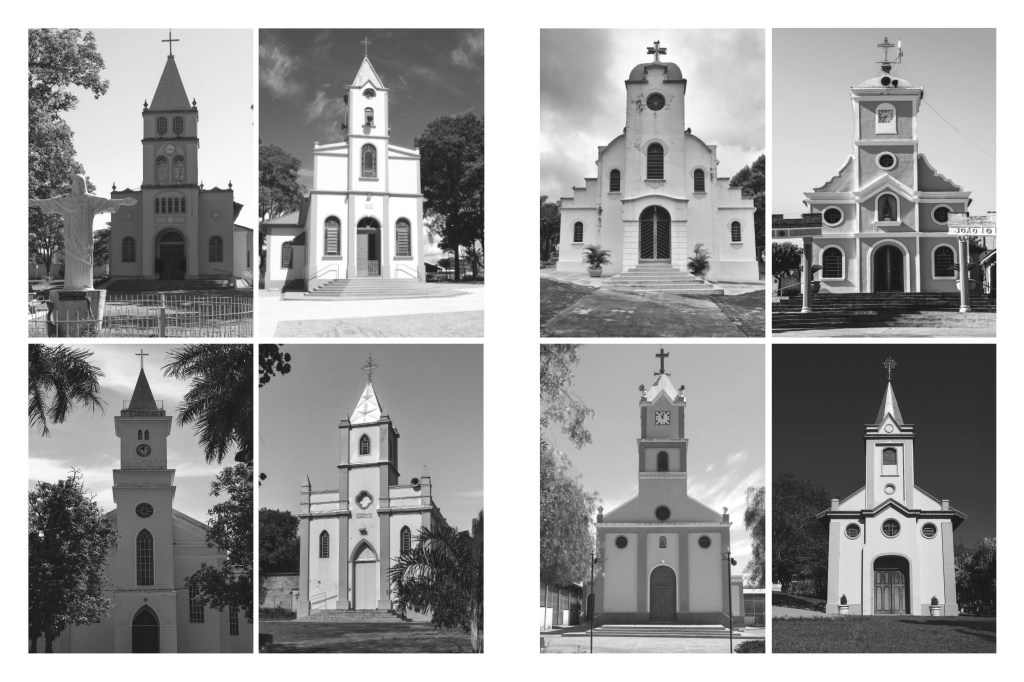
The walls and roof of a house that once served as shelter and home to a family who lived there have nothing left to protect.
All that remains is emptiness; loneliness; isolation; abandonment.
It is lost in space and time.
Seeing it, I wondered: who were its inhabitants? What became of them? Where are the people who gave it life today?
Where and at what ages are the children who this house likely saw born and raised? Many dreams were dreamed there. Many plans for the future were made there.
I don’t have answers to these questions, but that doesn’t stop me from speculating about all that may have happened in the past, within these four walls and under this roof.
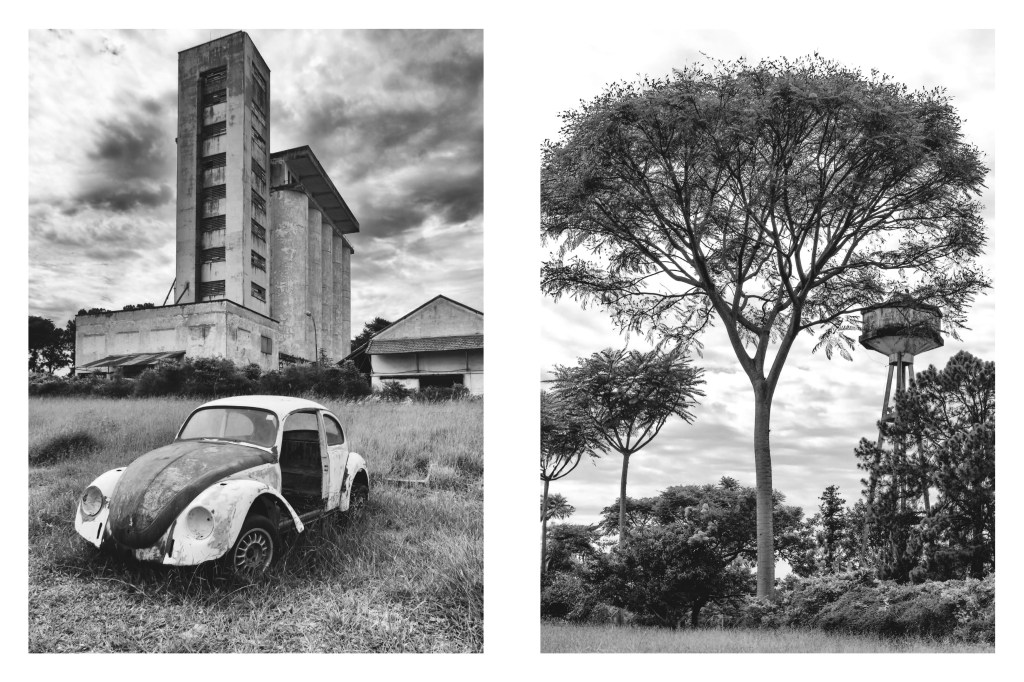
Today, it represents only a shadow in the anthropized landscape of a sugarcane field, so typical of the interior of the state of São Paulo, where I was born, raised, and where I live. When I was a boy, I believe the word and meaning of agribusiness had not been created in this country—agribusinesses that could and should be far more sustainable than they are.
This house, today, embodies the practical meaning of the transitory nature of our lives, of our world(s), and of how things inevitably change over time. Today, it is an element of the landscape that is nothing more than a testament to the concept of resilience in its figurative and most painful sense: its ability to recover or adapt to misfortune or change.
It is today a testament to the passage of time, to the entropy of oxidation and deterioration of the materials it was once built upon. They insist on remaining standing. They stand there, motionless, before me.
The images of these houses captured through the lenses of my cameras show not only the very object that the houses still are, but also the time of life and the time lived, and the memories of the people who once lived in them. They show the sum of time.

{by the roadside}

by the roadside

(fotozine)

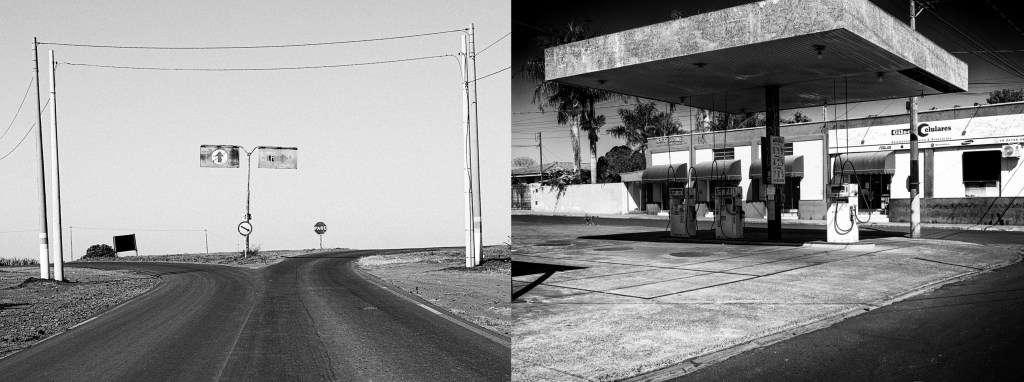
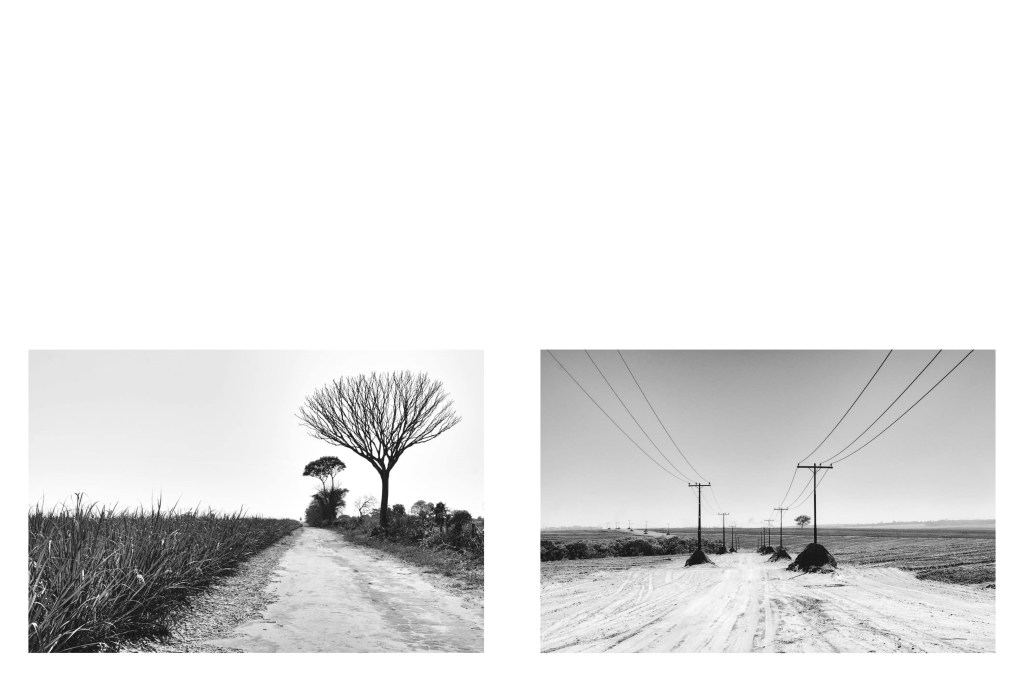
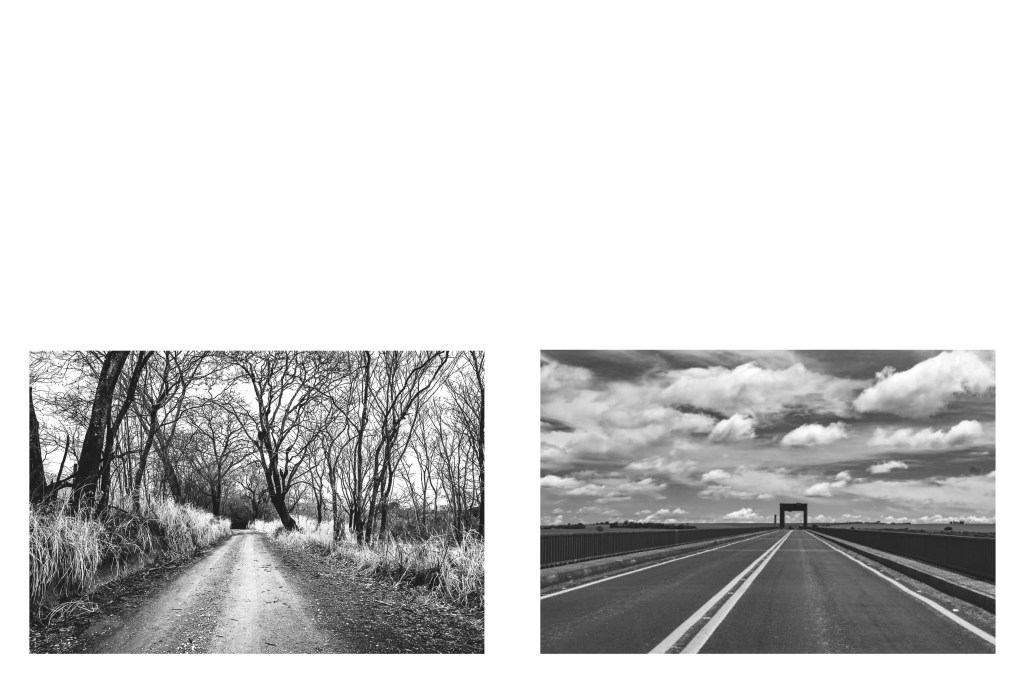
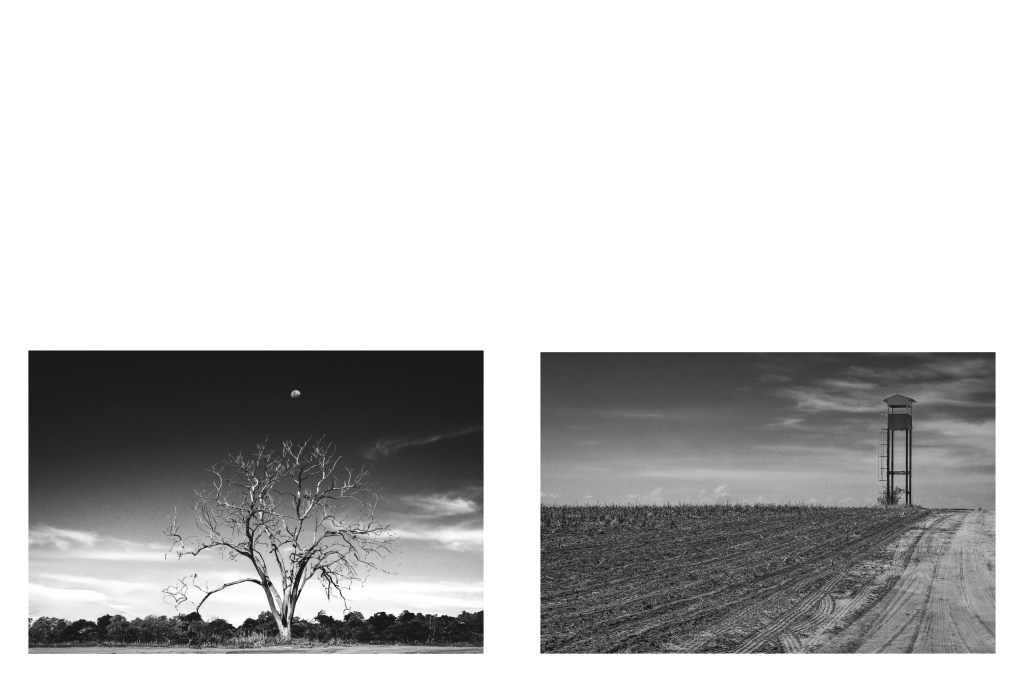
I have always had a special relationship with roads.
Not only with the roads themselves, but also with ‘the edges of the roads’.
Perhaps it is a typical story of the flâneur, of the observer.
Sometimes I feel that the edges of the roads reveal much more than the roads themselves, but I know that they belong to the roads; they are confused with the roads.
In this work I try to bring together the photographs from my collection, but it is a theme that I continually photograph.