[The memory of territories]


No territory is defined solely by what we see in the present.
Its landscape retains traces of past uses, distinct forms of occupation, and vestiges of other eras.

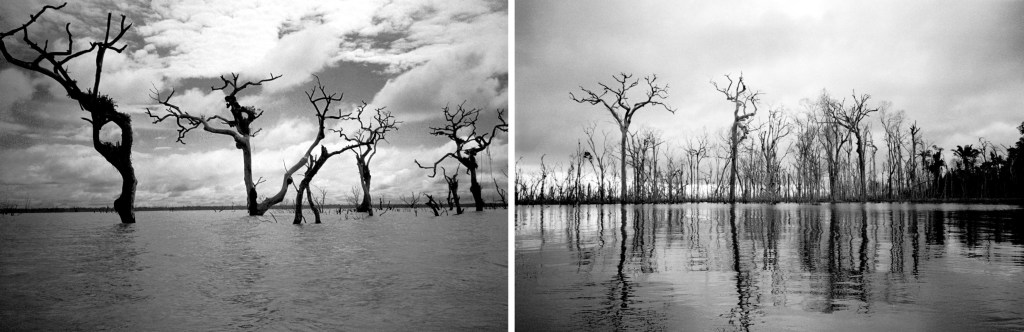
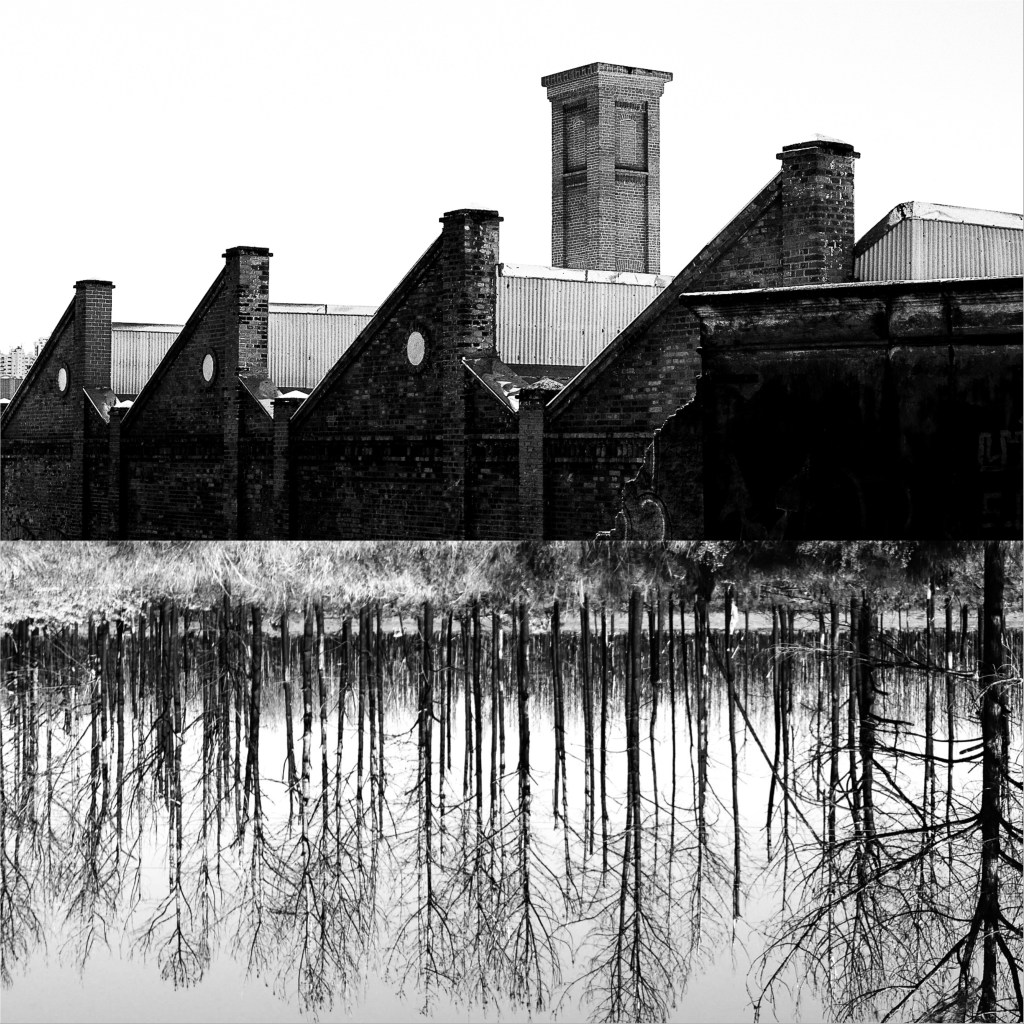
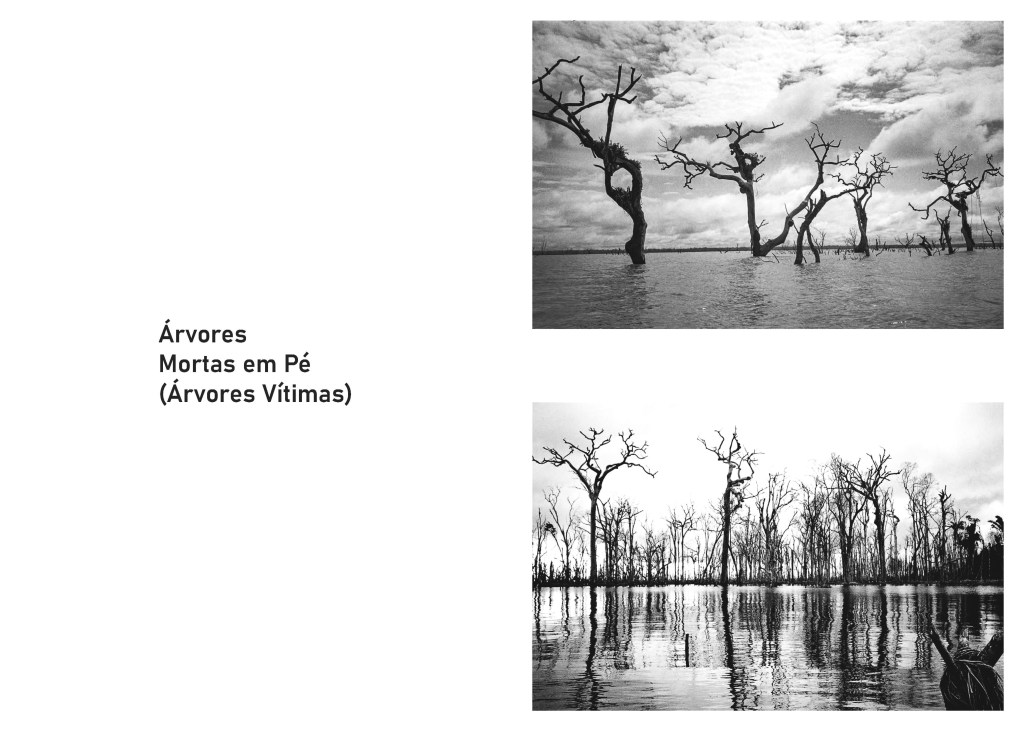
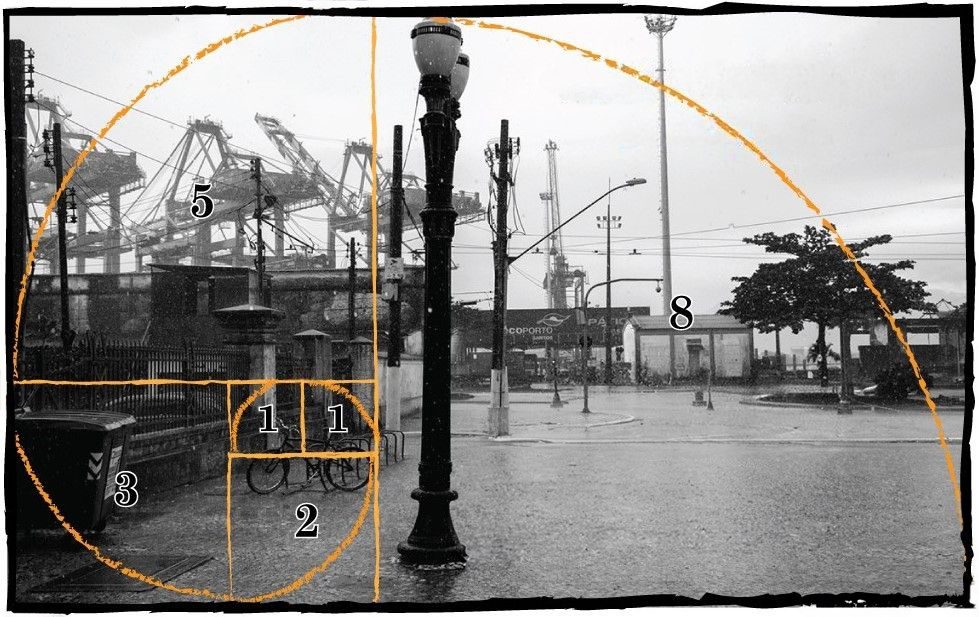
In this place, two memories coexist within the same scene. Brick structures bear witness to the labor, machinery, and people that transformed the material world over the years. Meanwhile, the forest’s reflection in the water reveals another layer of the landscape; trees, branches, and roots evoke a time defined by natural cycles.

These two presences do not cancel each other out. The industrial landscape and the forest reflect different moments in the territory’s history. Together, they demonstrate that a place holds multiple layers of memory. What we see today is the result of the interplay between nature, human activity, and the passage of time.

{by the roadside}

by the roadside

(fotozine)

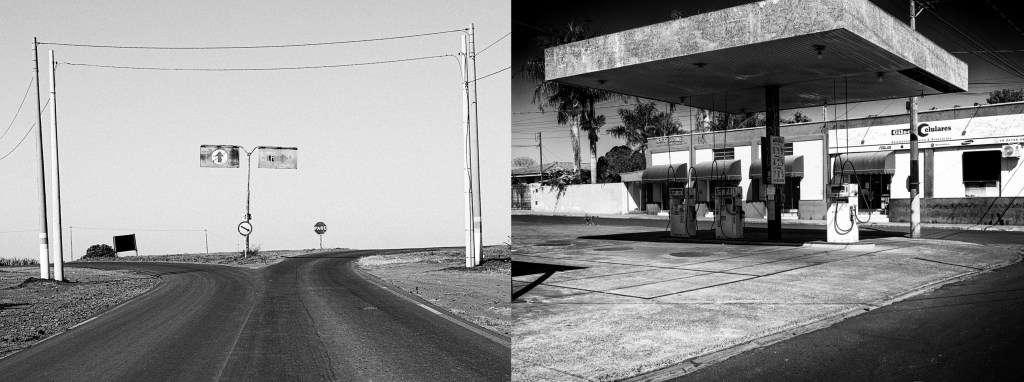
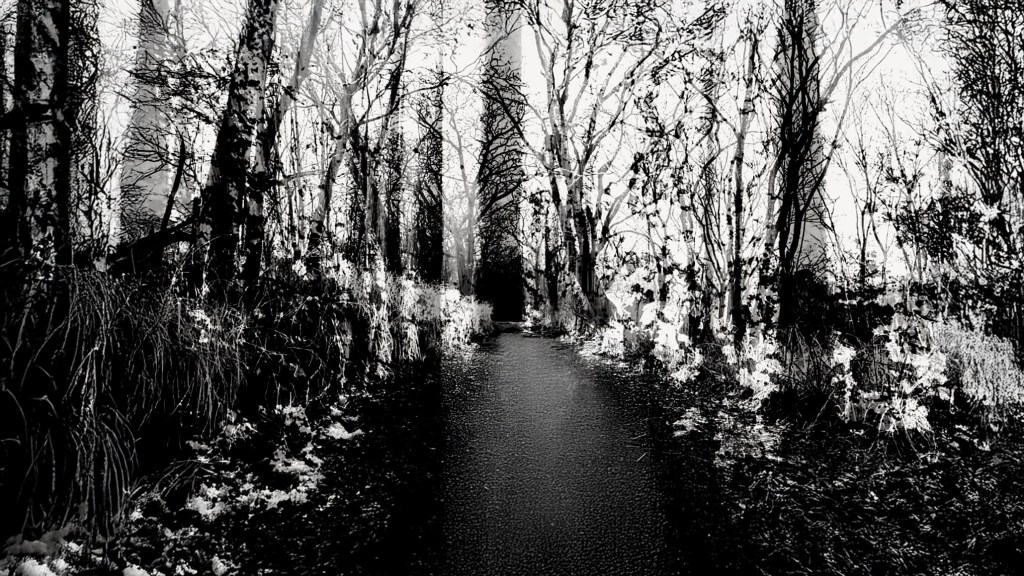
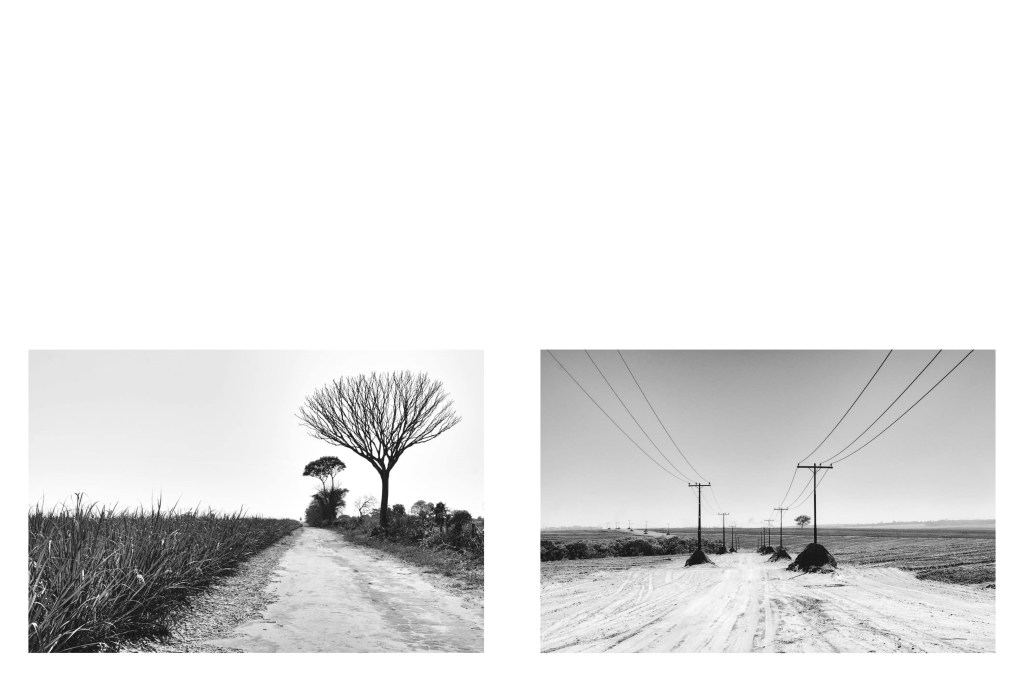
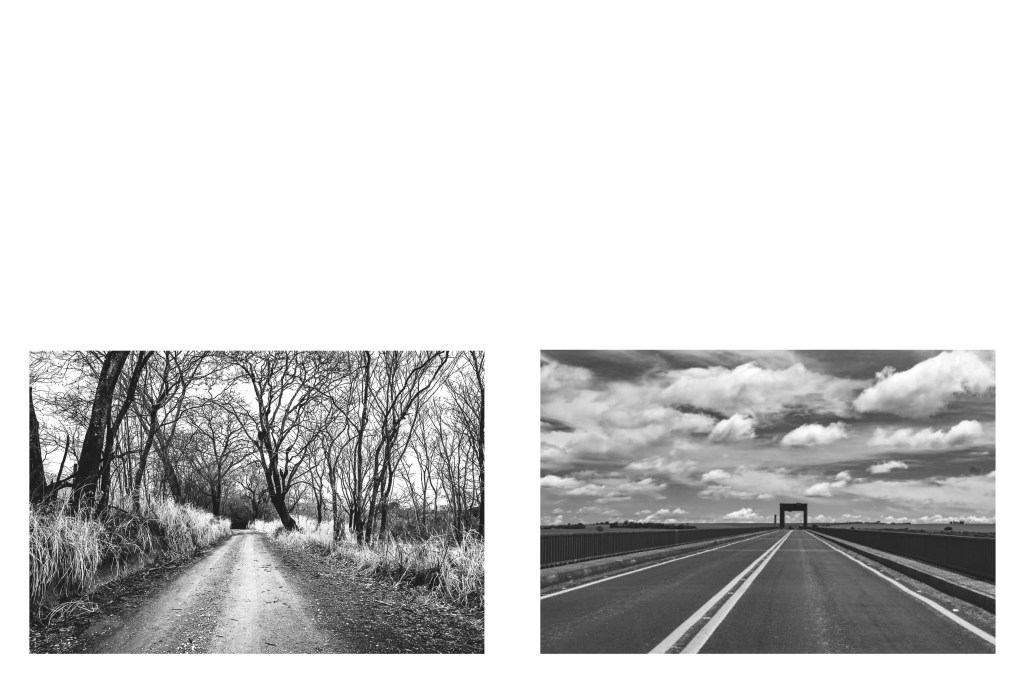
I have always had a special relationship with roads.
Not only with the roads themselves, but also with ‘the edges of the roads’.
Perhaps it is a typical story of the flâneur, of the observer.
Sometimes I feel that the edges of the roads reveal much more than the roads themselves, but I know that they belong to the roads; they are confused with the roads.
In this work I try to bring together the photographs from my collection, but it is a theme that I continually photograph.

{parallel worlds}

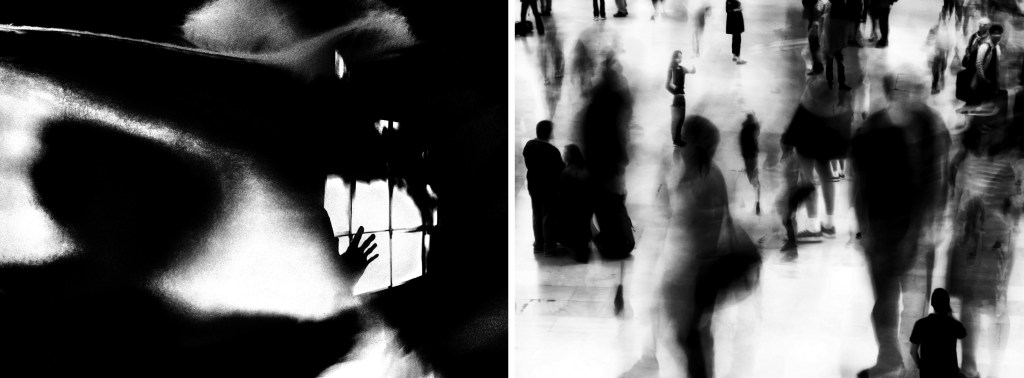
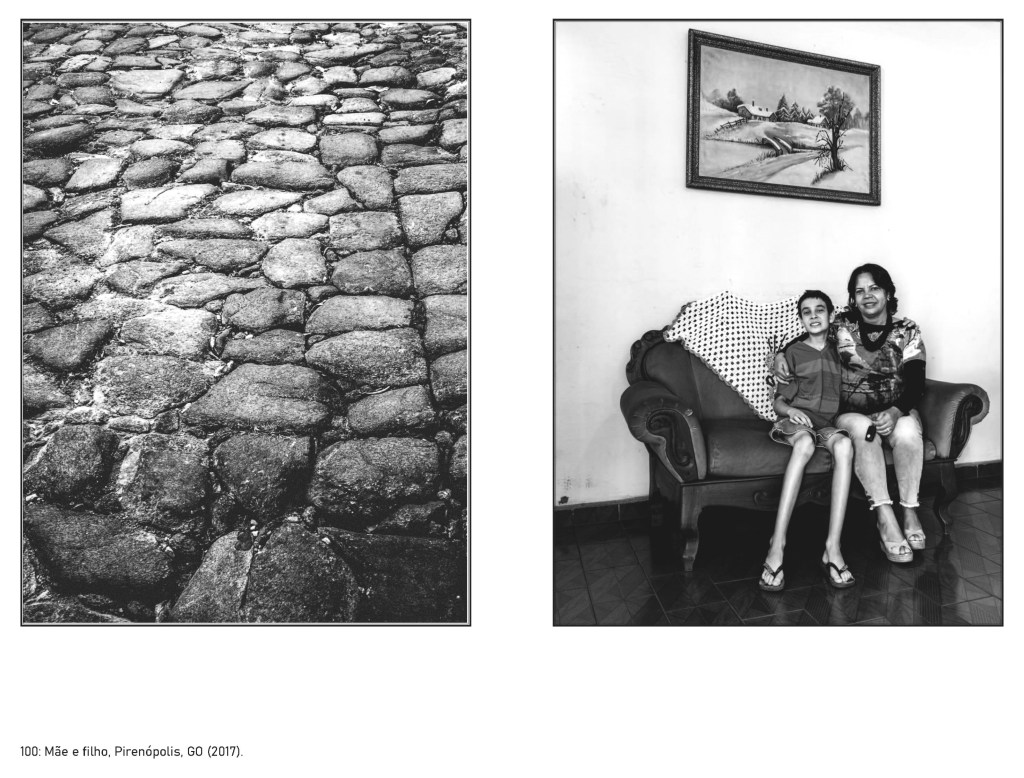
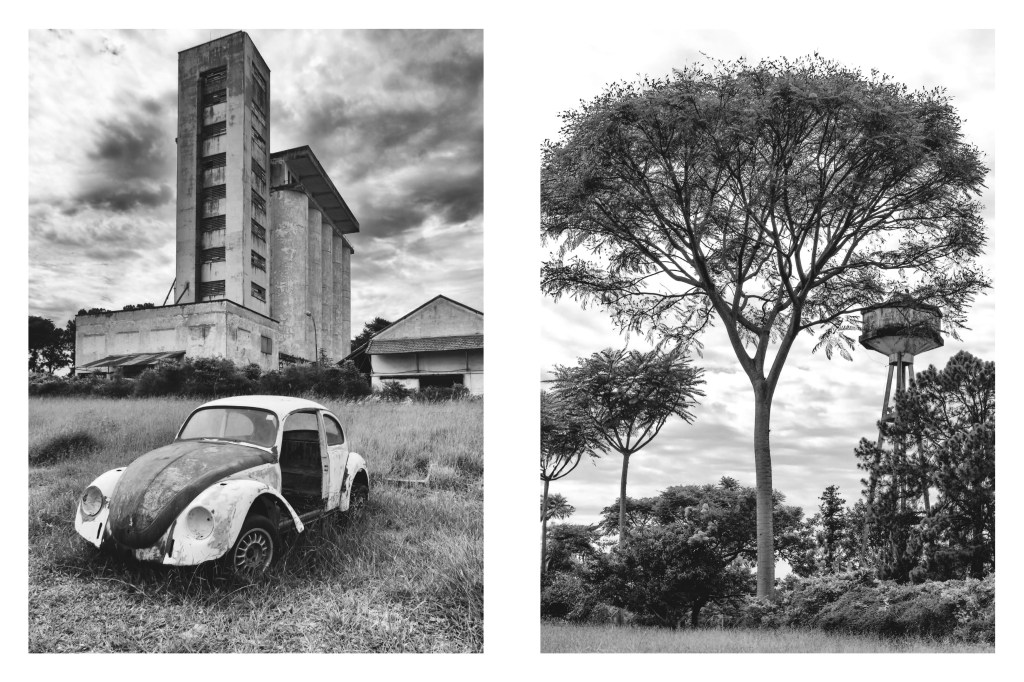
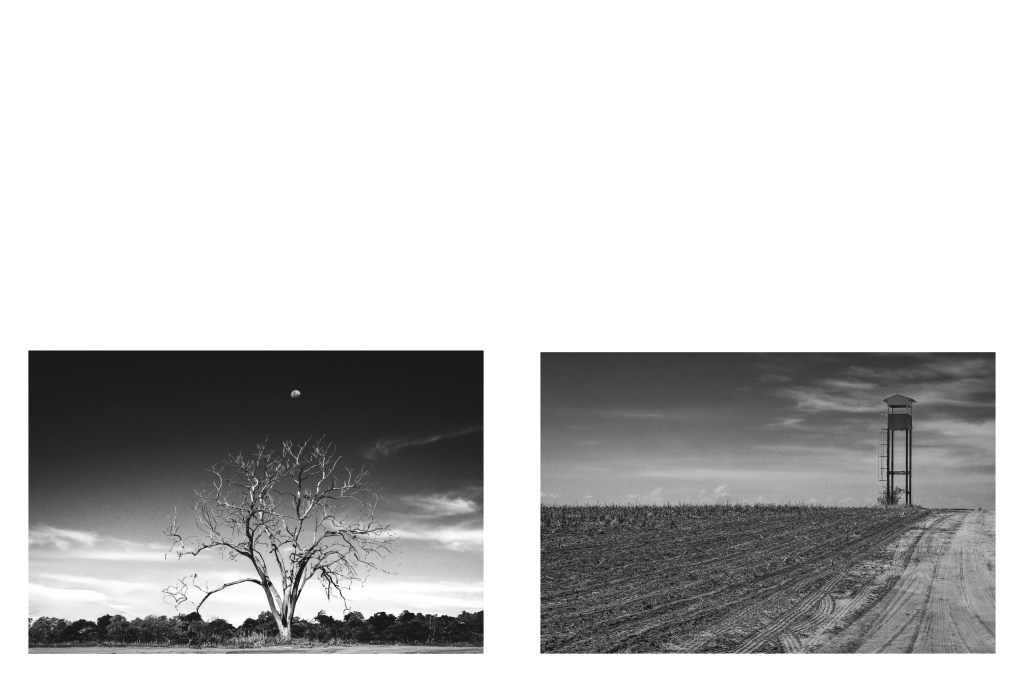
Parallel worlds: This project merges aesthetic, philosophical, and ecological perspectives to reject humanity’s purely utilitarian relationship with nature, framing it as spiritual and existential. Through dynamic diptychs, it visualizes interconnected realities where environmental awareness and aesthetic contemplation converge, inviting a reimagined role in the world. Highlighting both visible elements and the interplay between ecosystems, society, and human subjectivity, it underscores our deep ties to nature and the impacts of our choices on ecological and social balance.