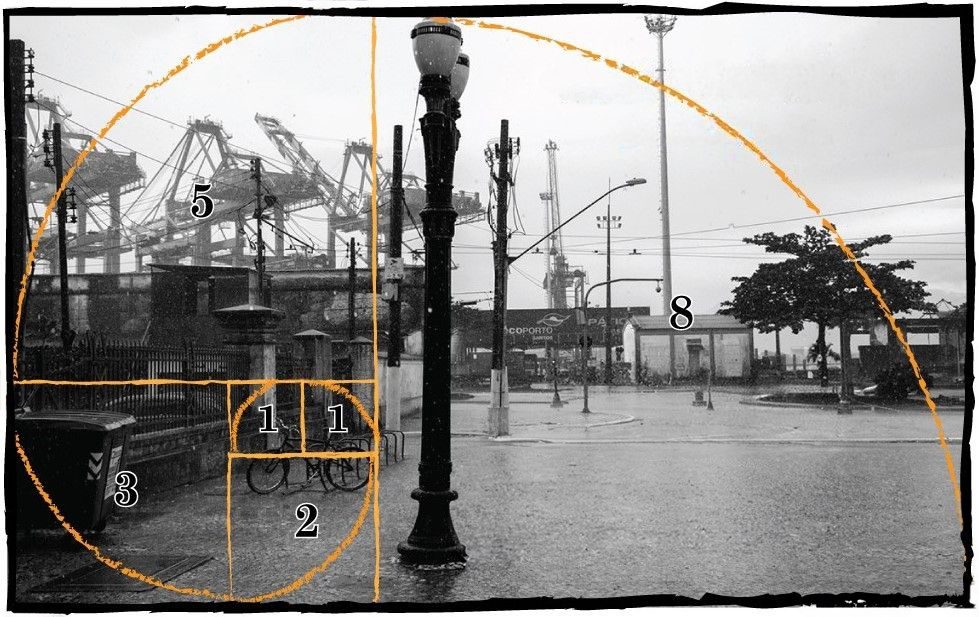

“Make your photos less ‘factual’, more personal and subjective” (Eric Kim)
“Photograph how you feel, not how you look” (Ansel Adams)

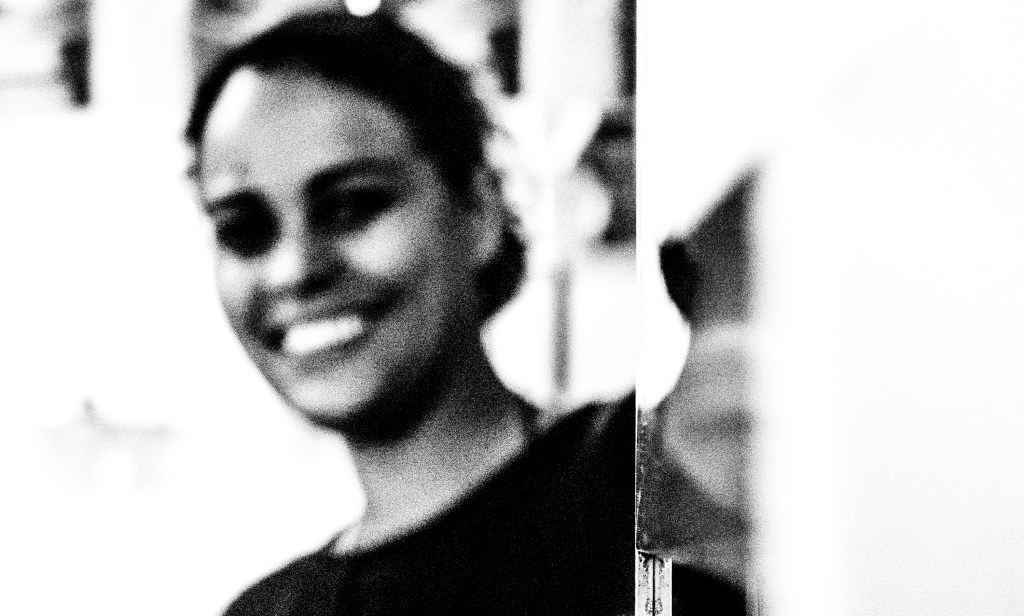
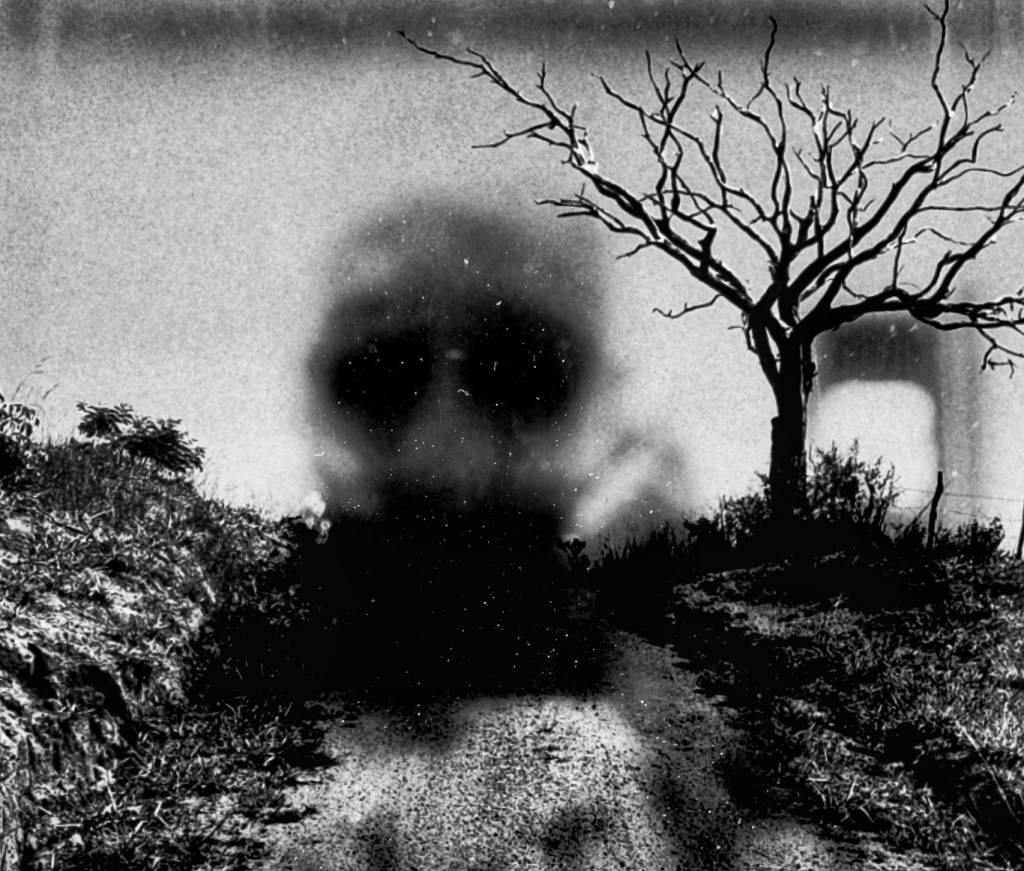
“Make your photos less ‘factual’, more personal and subjective” (Eric Kim)
“Photograph how you feel, not how you look” (Ansel Adams)
There are several ‘maxims’ of the great photographer Ansel Adams.
Alluding to my photograph of a landscape from Serra do Fumal (southeast part of Serra da Canastra, MG-Brazil) – taken last week – I wanted to rescue one of these ‘maxims’.
In short: “photograph how it feels (not how it looks)”. Because in photography, let’s not forget, “it’s more about the emotion it evokes in the viewer than about its appearance”.
If not, here’s what Adams says in this context: “My Moonrise, Hernandez, New Mexico has the emotion and feeling that the experience of seeing a real moonrise created in me, but it’s not realistic at all. Simply clicking the camera and making a simple print of the negative would have created an entirely different – and ordinary – photograph. People ask me why the sky is so dark, thinking exactly in terms of the literal. But the dark sky is what it looked like.”
I’ve been told…that’s all for now…
Hope you like it….

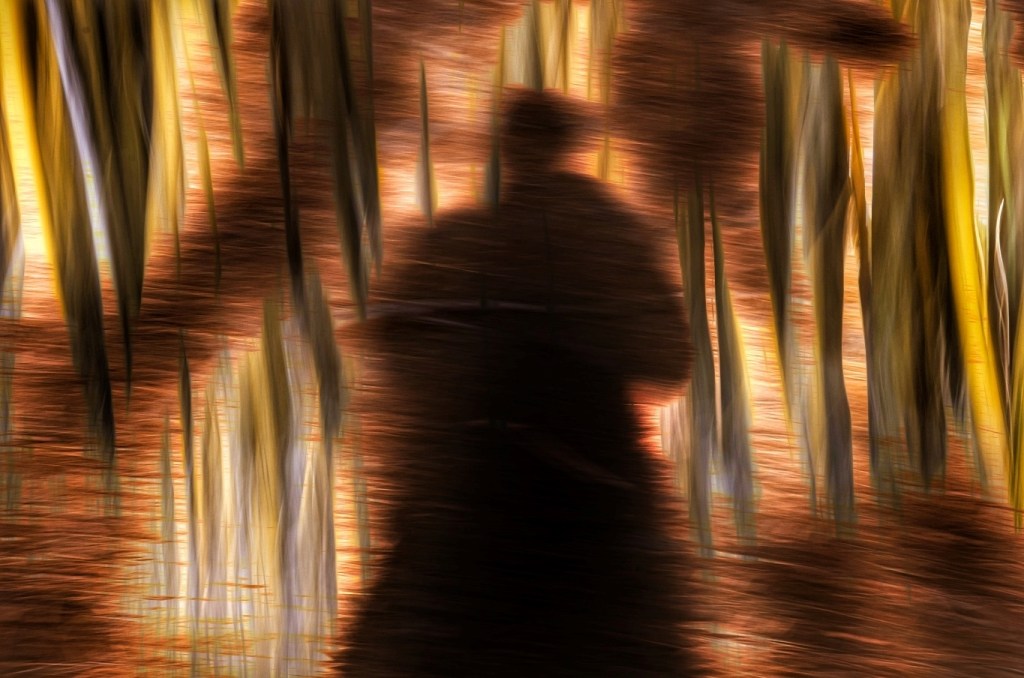
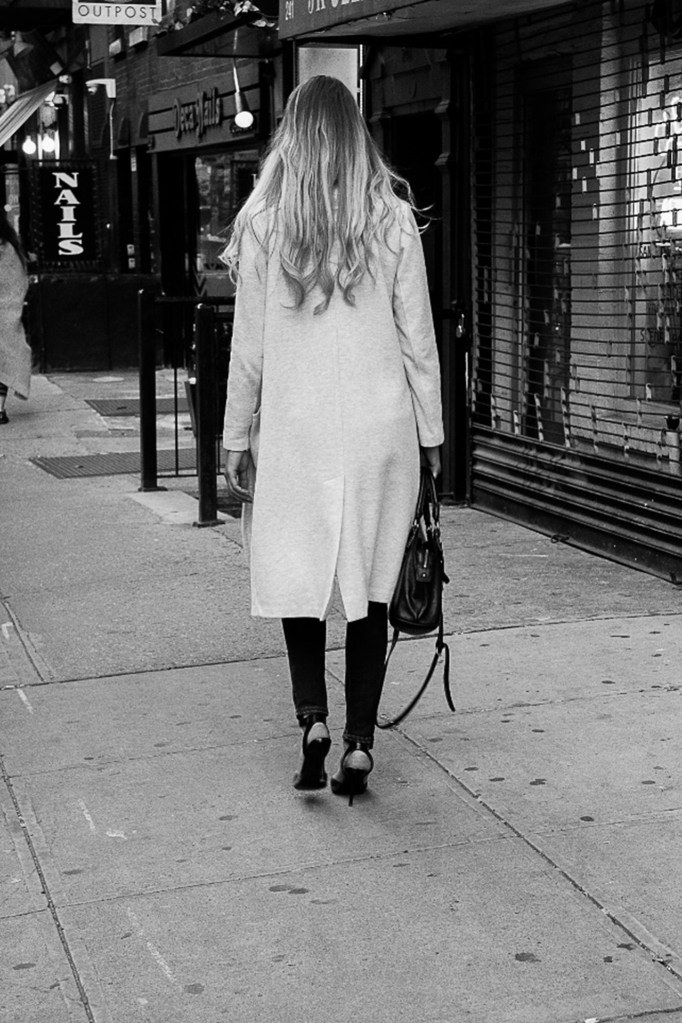
Rua Direita. Tiradentes, MG-Brazil. March 2017.


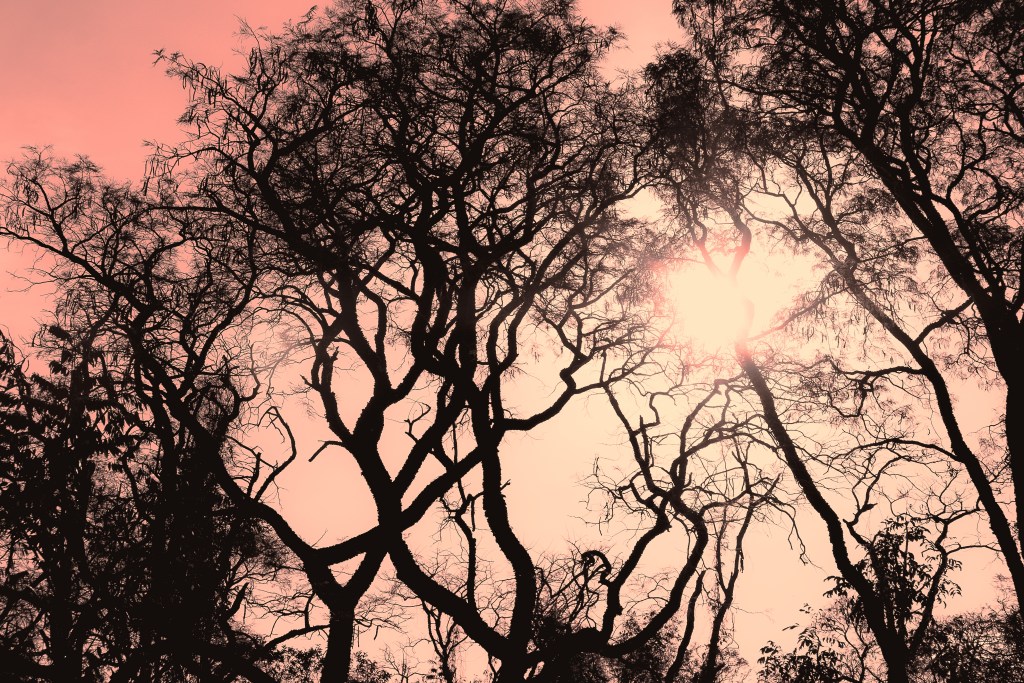
[my transcendentalist individuality is a mere fragment of the universal “self”…my personality is a fragment of the personality of Gods and Goddesses and the Universe]
[…I am at the same time the wings of a seagull that flies at the mercy of the strong wind that blows over a beautiful beach on a sunny afternoon when the storm approaches]
[…and I am the leaves of grass that spread in a green pasture on a day of clear sky and inclement sun after a night of torrential and warm summer rains]
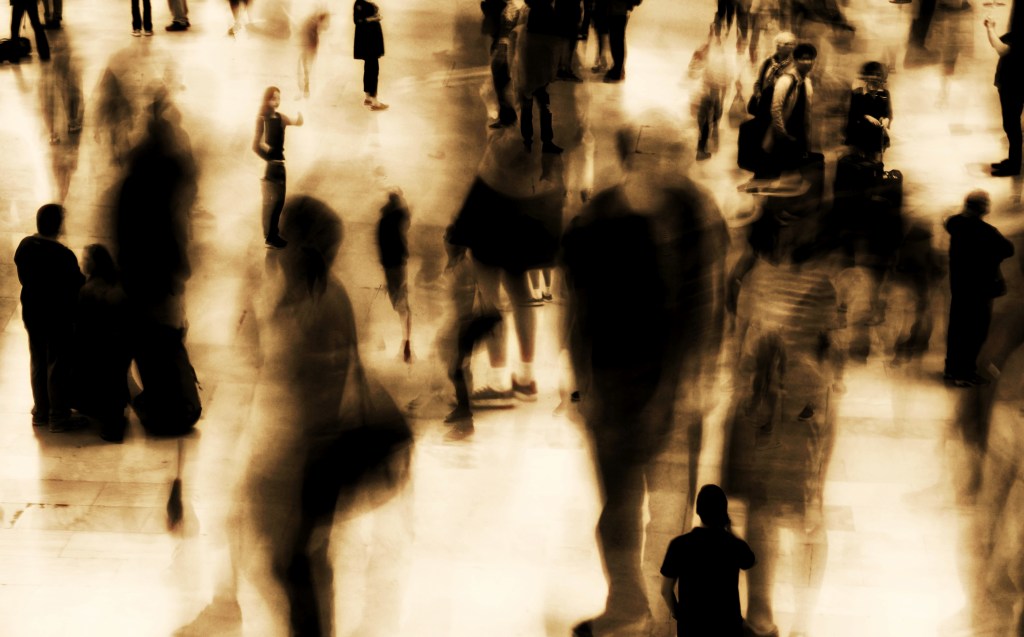
[…and I am also the boys and girls who walk happily every morning on their smooth paths to school carrying their bags with their notebooks and their book and pencil and eraser, eager to learn more and more]
[…and I am the weary men stumbling back home after a hard day’s work to eat dinner, kiss their wife and sons and daughters and be glad to be alive and healthy and strong]
[no intention to deny what I was yesterday, what I am today, what I will be tomorrow]
[…who is to contest?]
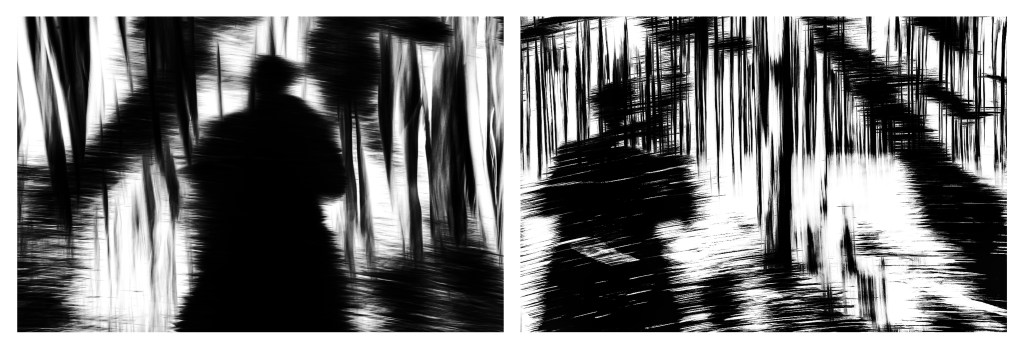
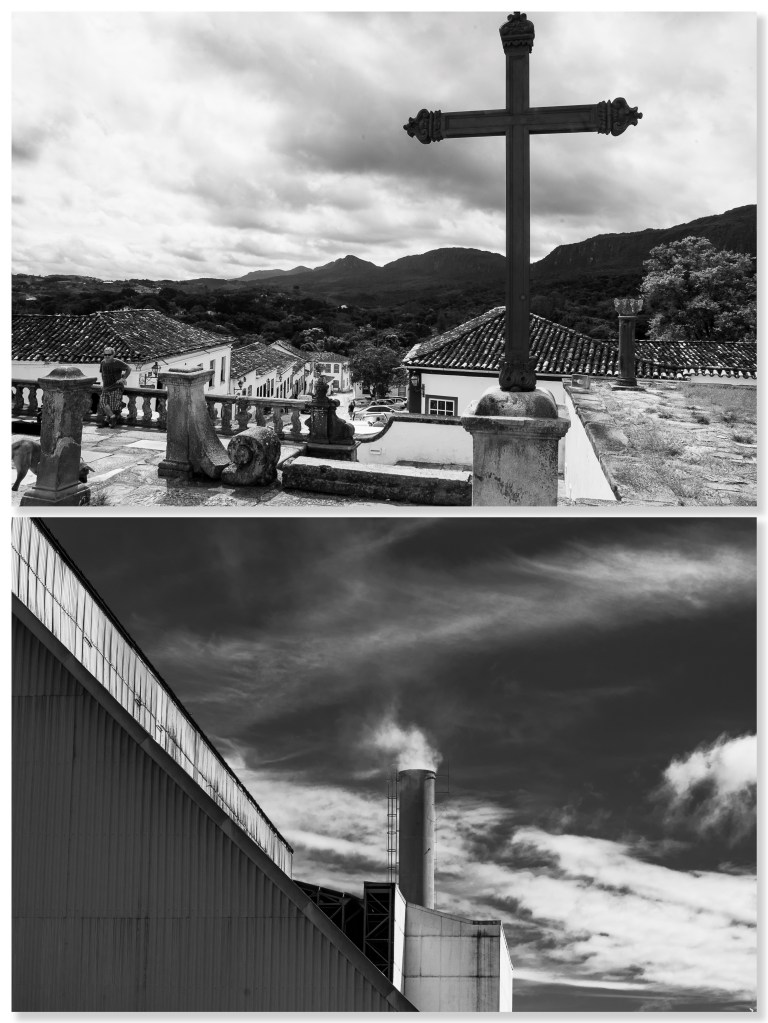
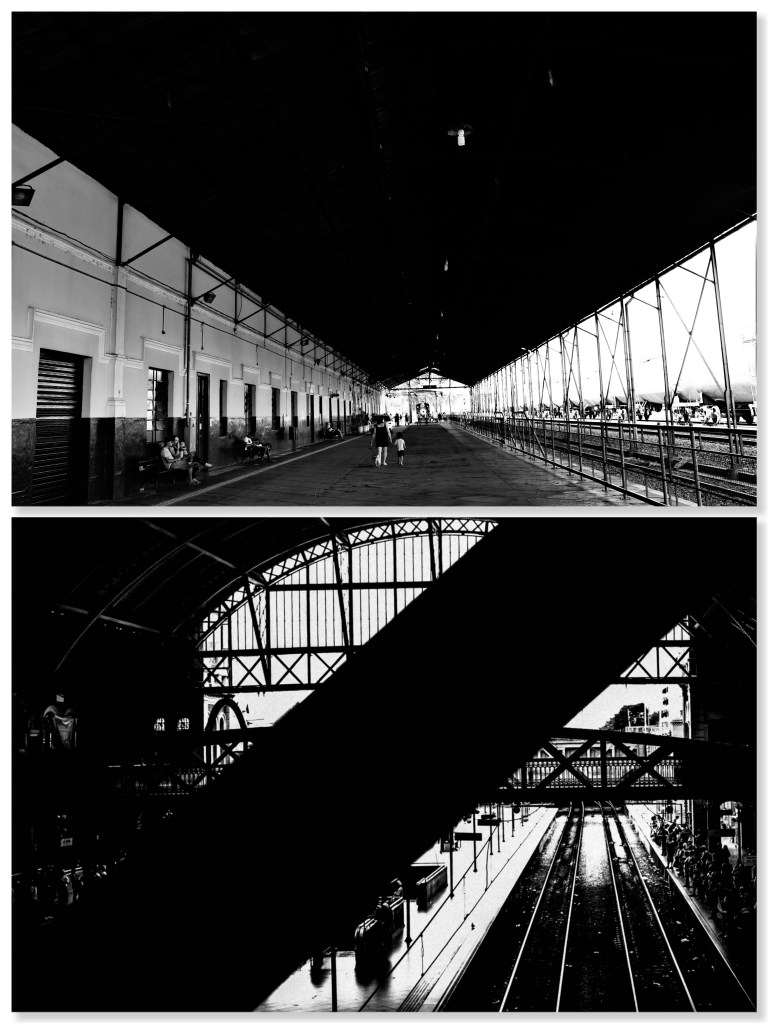
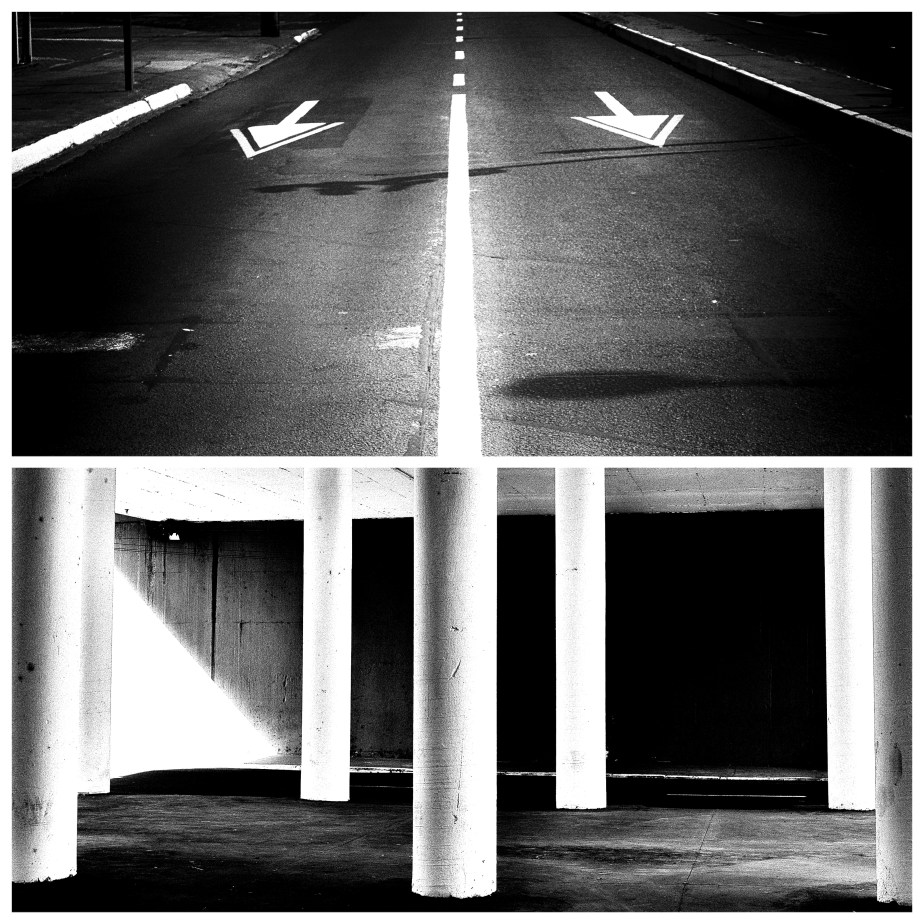
From my brand new series (under construction – January/2022) called: fotoGRAPHICS: diptychs that are intended to show “fragmentation …. recreation of the visible world in a game of lines, lights and shadows …. abstractionism and surrealism … geometrization of motifs … graphics”.



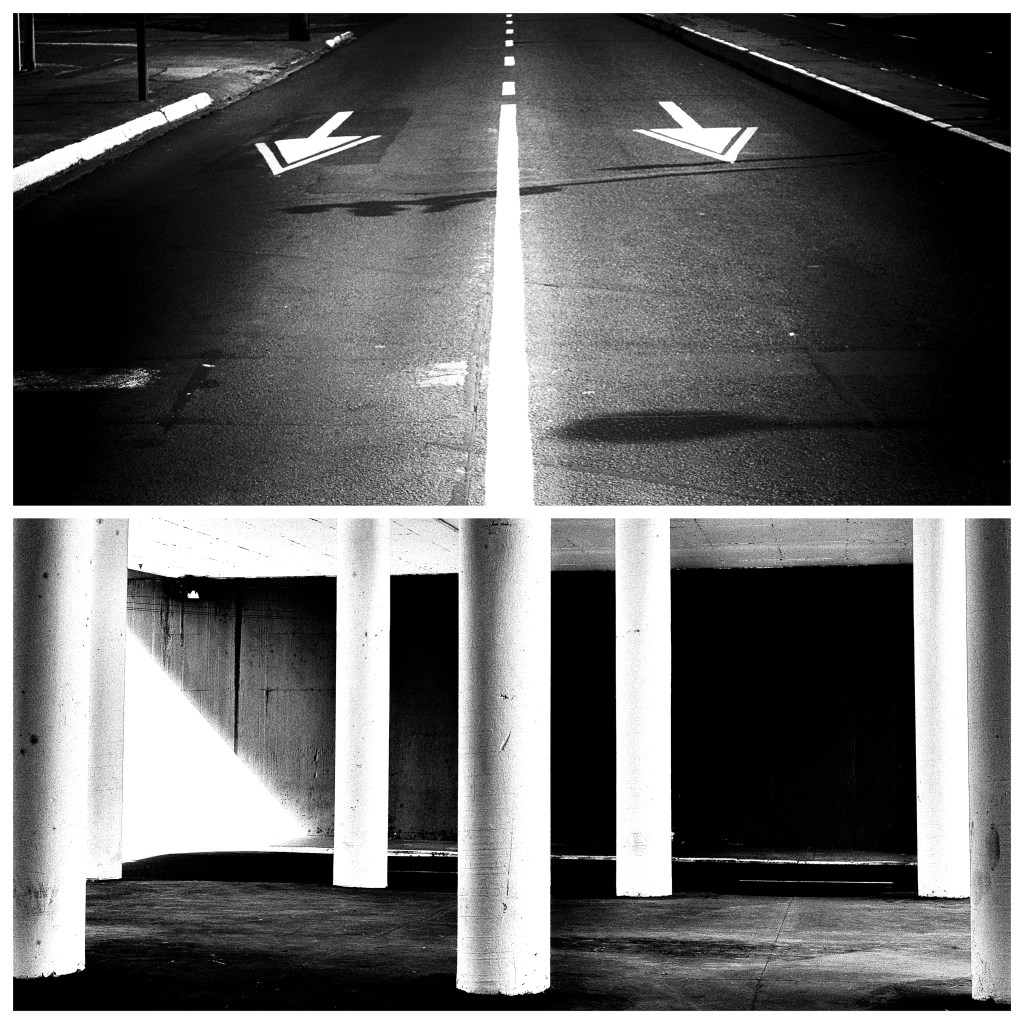
This phrase, so to speak, refers to Ezra Pound’s modernist imperative in his eponymous 1934 collection of essays.
This ‘slogan’ urges the writer to create from the material of the artwork that is distinctly innovative.
The idea behind this ‘slogan’ is, for me, fully desirable in photography.


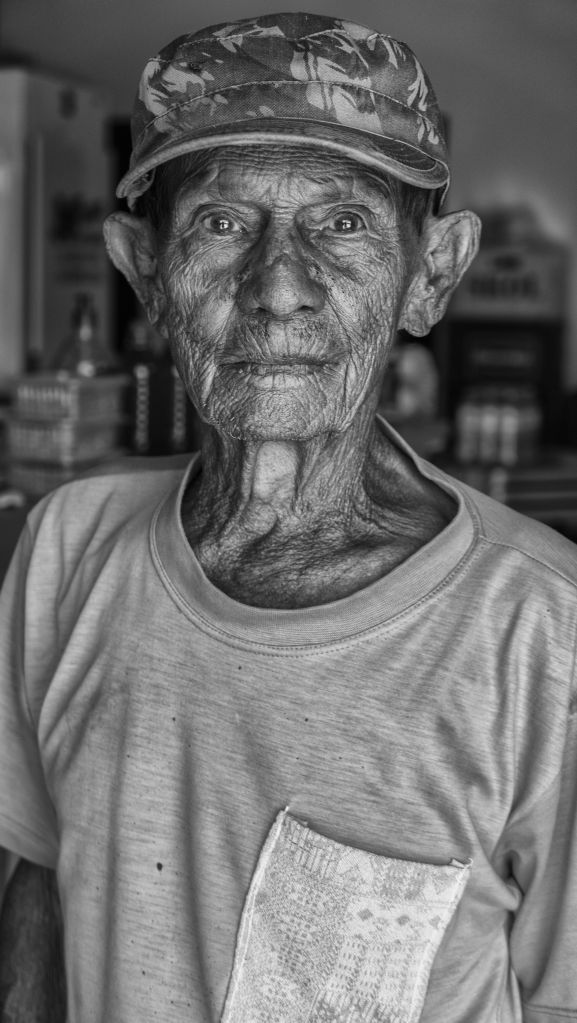

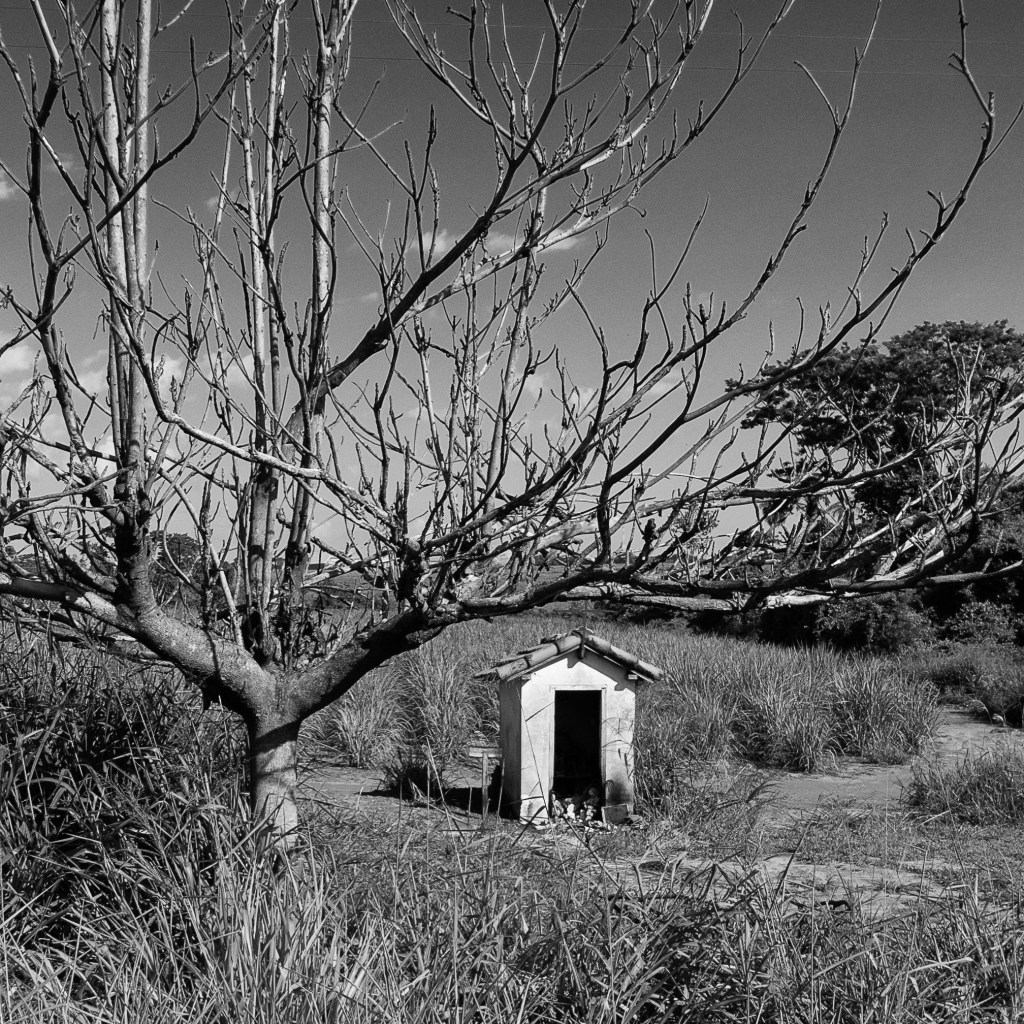
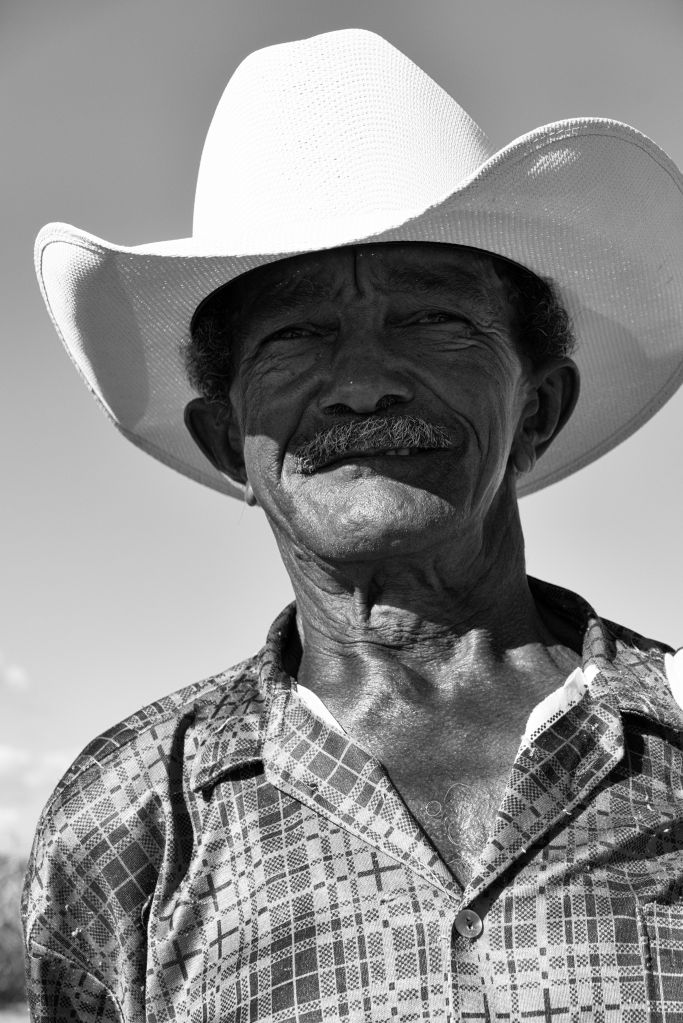
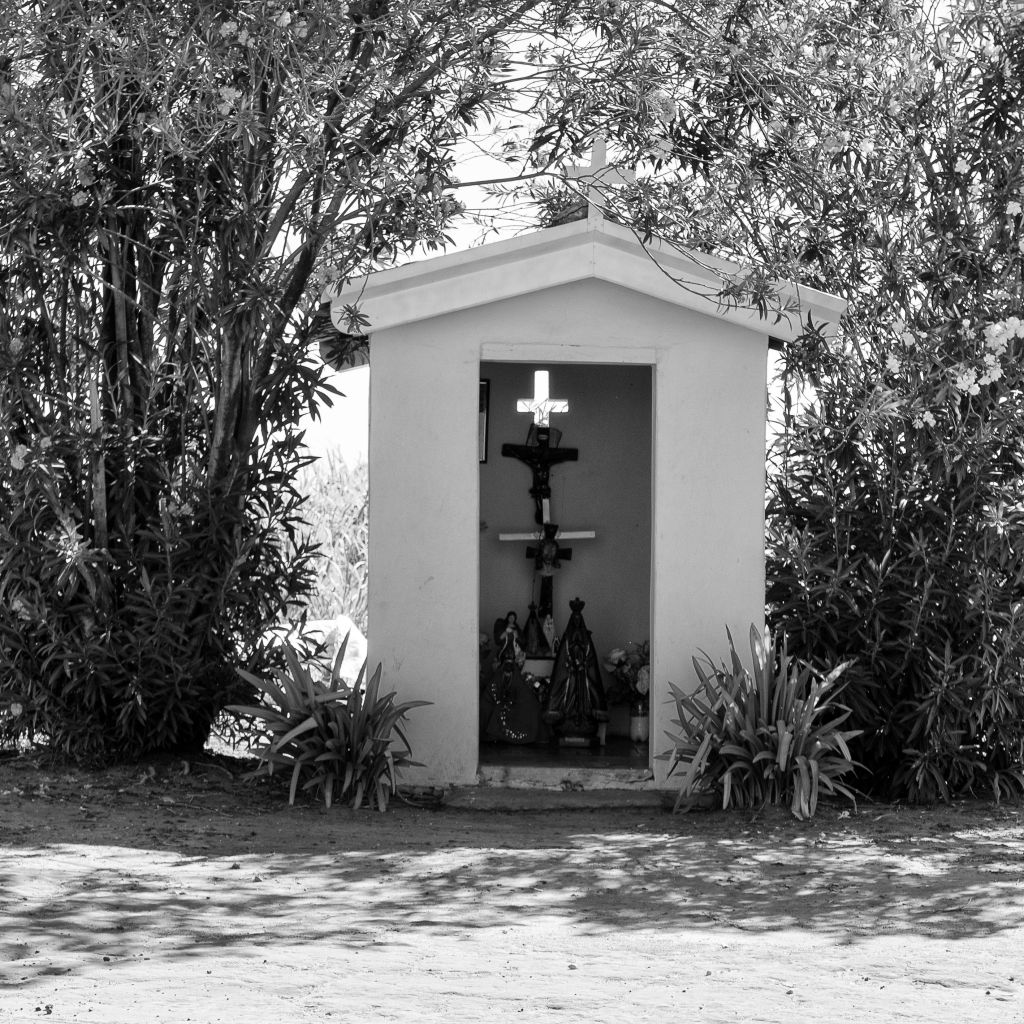
For those who don’t know, Kubrick, the great filmmaker who has an (almost) unequaled career as a film-maker (of so many classics from the big screen that I abstain from writing about here) started his career as a photojournalist. And in this career he was already brilliant.
I was given a gift by one of my three children on one of my recent birthdays with the great book (in physical terms, size and weight even, and intellectual, content) called “Through a Different Lens: Photographs by Stanley Kubrick” which, strongly , I recommend for your library. This work shows photographs of a guy who was still a teenager (17 years old) and there were already clear signs of a great photographic sensitivity when he worked for Look magazine and of the great filmmaker he would become.
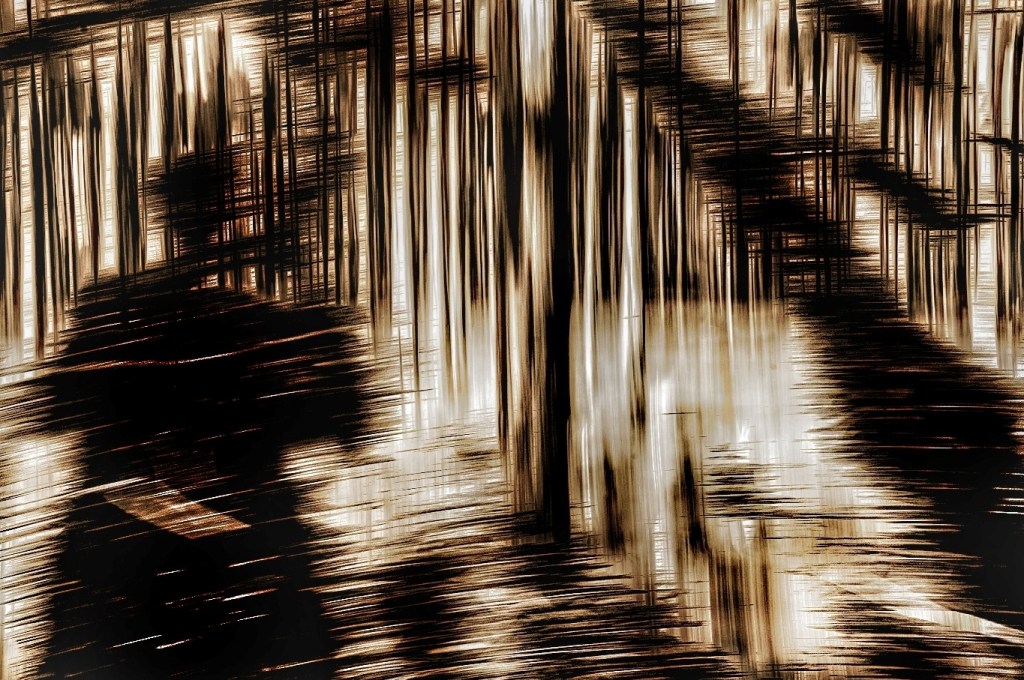
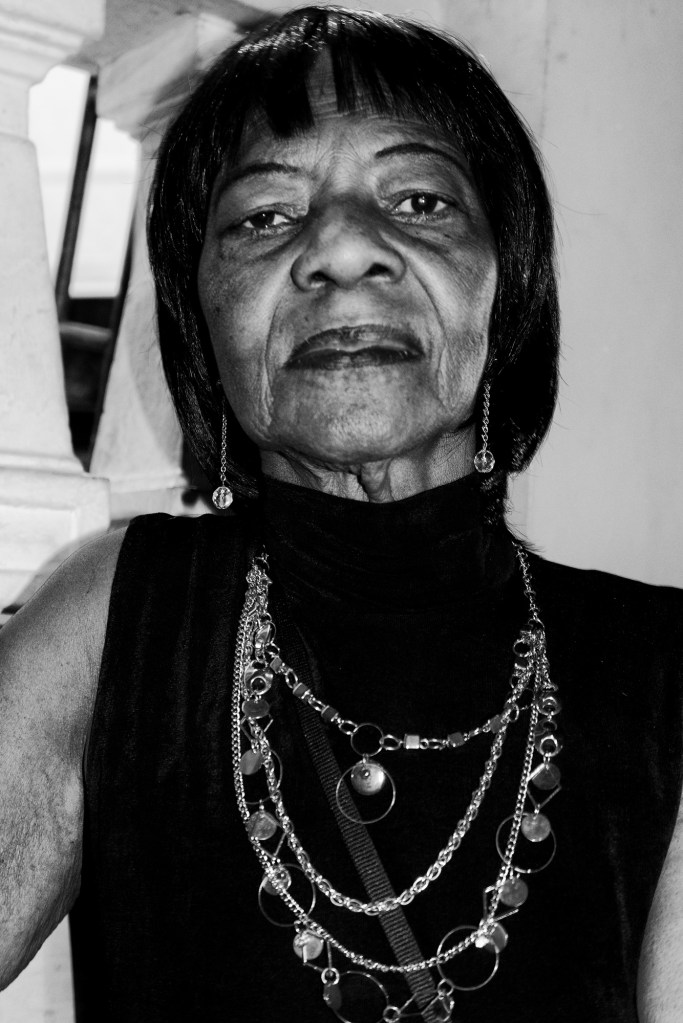
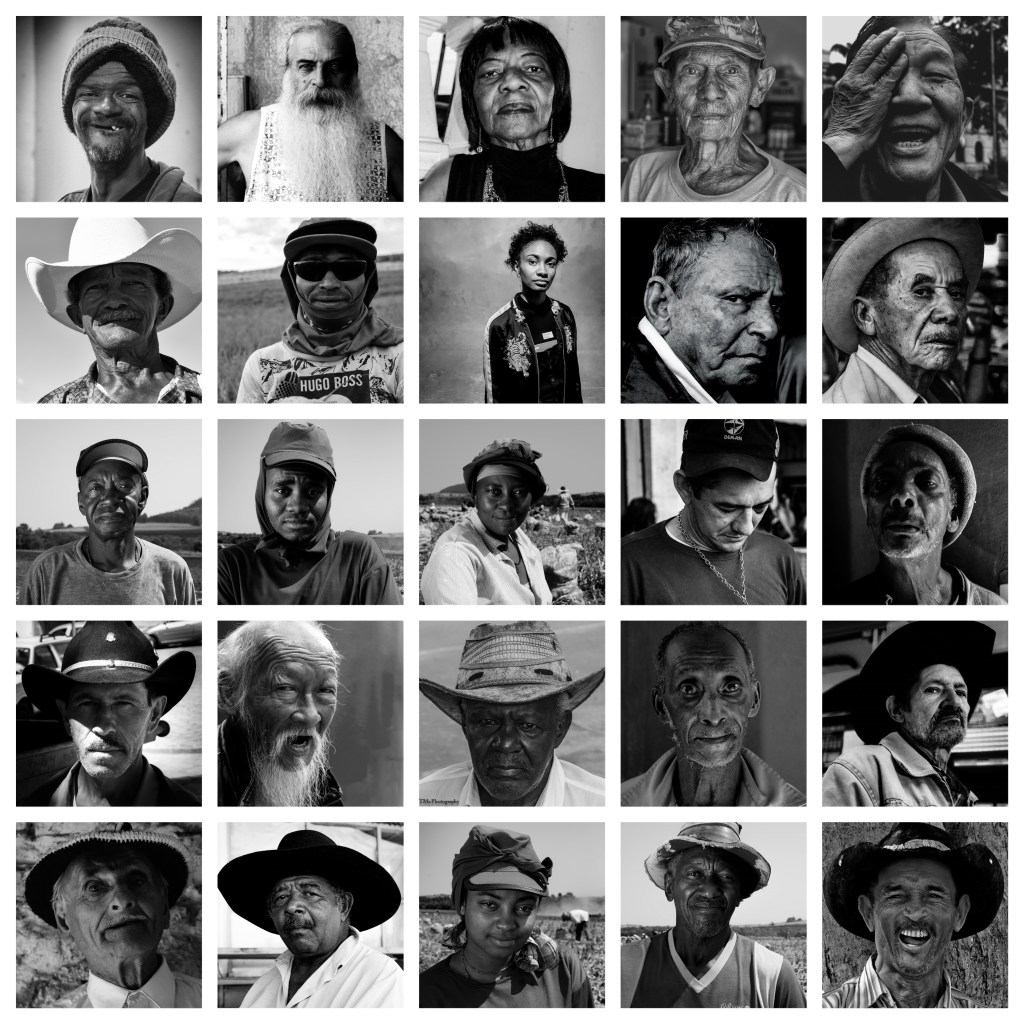
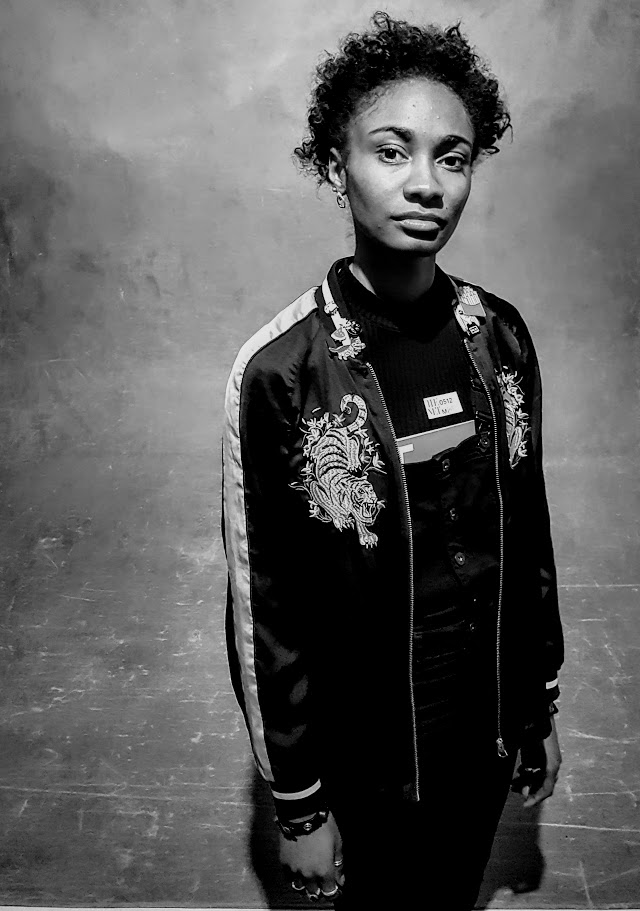
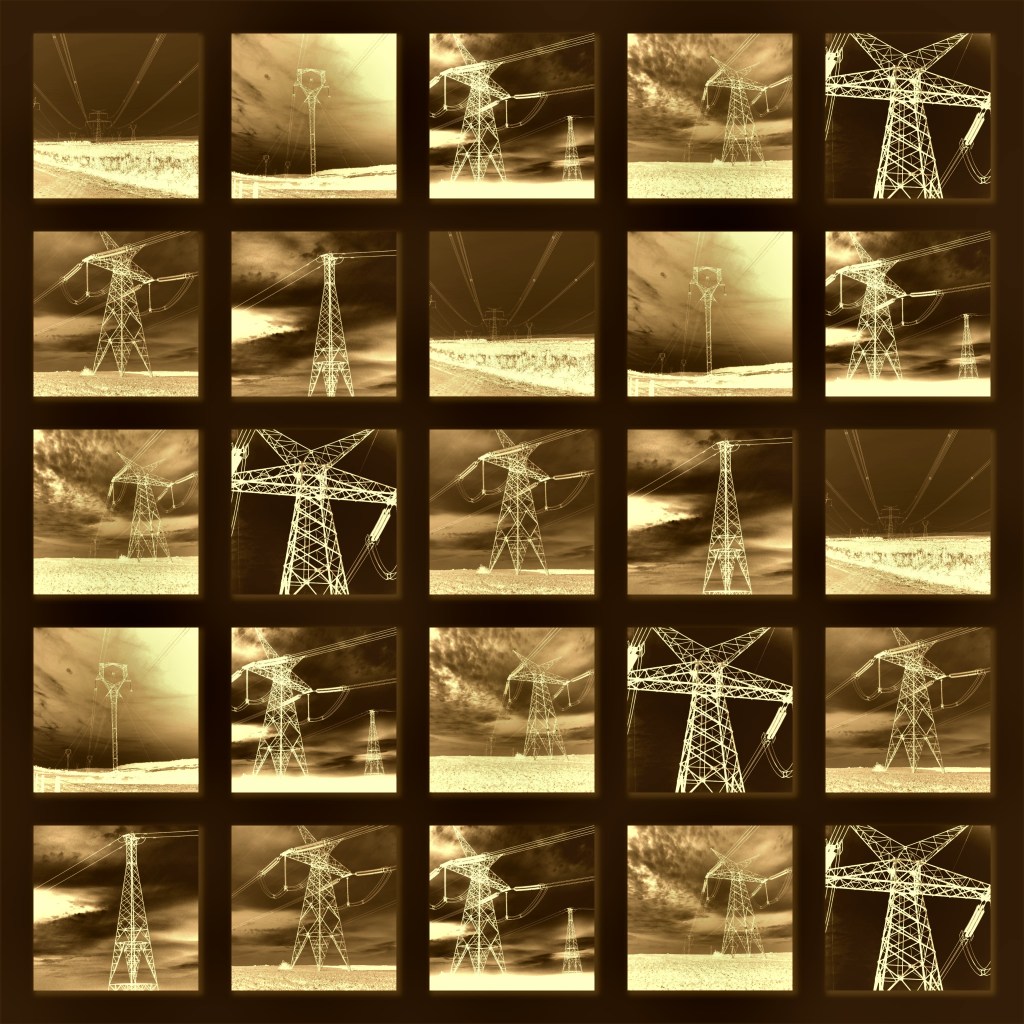
The photos of myself that I have collected and present below are my readings in an attempt to follow in Kubrick’s footsteps. They are nothing but attempts to emulate this great master for me. But I like them.
I wrote this short text not based on deep knowledge of Kubrick’s work because I’m far from having it, but much more guided by my admiration for the work of this great artist and the emotion that pictures of him make me feel.

First, and perhaps the main feature of the photographer Kubrick: the dramatic light in high contrast, an authentic feature of the ‘film noir’ that I find simply adorable. In many of his photographs there are fantastic guidelines and vanishing points, impressive and beautiful compositions, even in the presence of various ‘subjects’. Some of them have brilliant triangular compositions and are of great depth.

In the photographs of several ‘subjects’, the strength and beauty of people’s bodily gestures is remarkable, sometimes collective hand gestures, for example, which makes me think that Kubrick – in addition to being a great filmmaker who years later would become – he was, in addition to being a great photographer, a great conductor, who, as such, knew how to create such precise and instant empathy with the people portrayed who offered him such natural, expressive and poetic gestures.
![[impressionist-abstract self portraits]](https://antoniomozetophotography.com/wp-content/uploads/2022/02/estrada-broa-15ago202065-1-of-1-02-02.jpeg?w=924&h=0&crop=1)
![[colorful houses of my town]](https://antoniomozetophotography.com/wp-content/uploads/2022/02/volumes-18ago2020d-1-of-1.jpg?w=924&h=0&crop=1)
![[my transcendentalist ‘self’]](https://antoniomozetophotography.com/wp-content/uploads/2022/02/dsc_1466-01.jpeg?w=924&h=0&crop=1)

![[faith in life]](https://antoniomozetophotography.com/wp-content/uploads/2021/12/p1024213-edit.jpg?w=924&h=0&crop=1)

 Antonio Mozeto