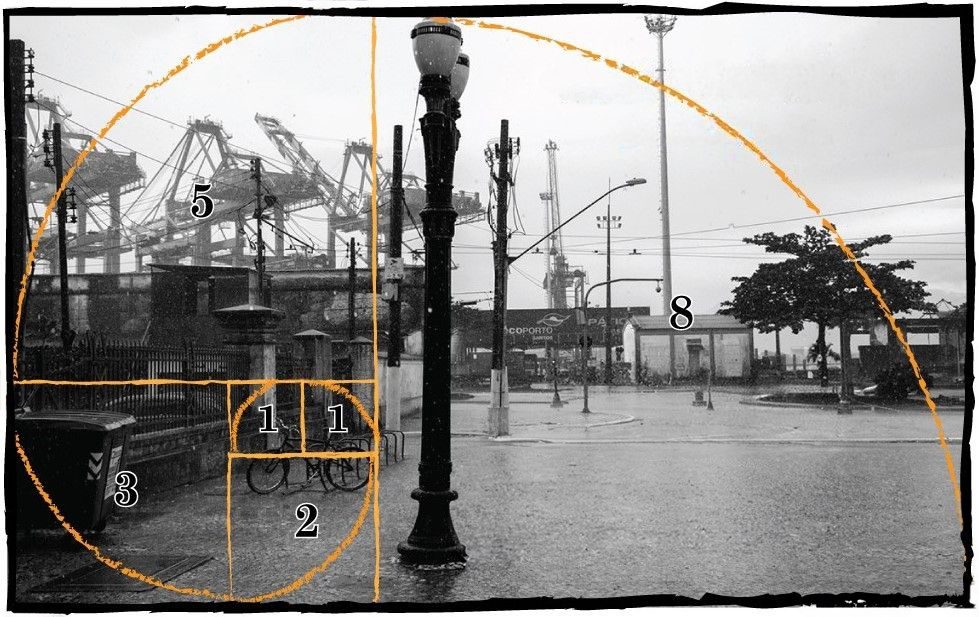
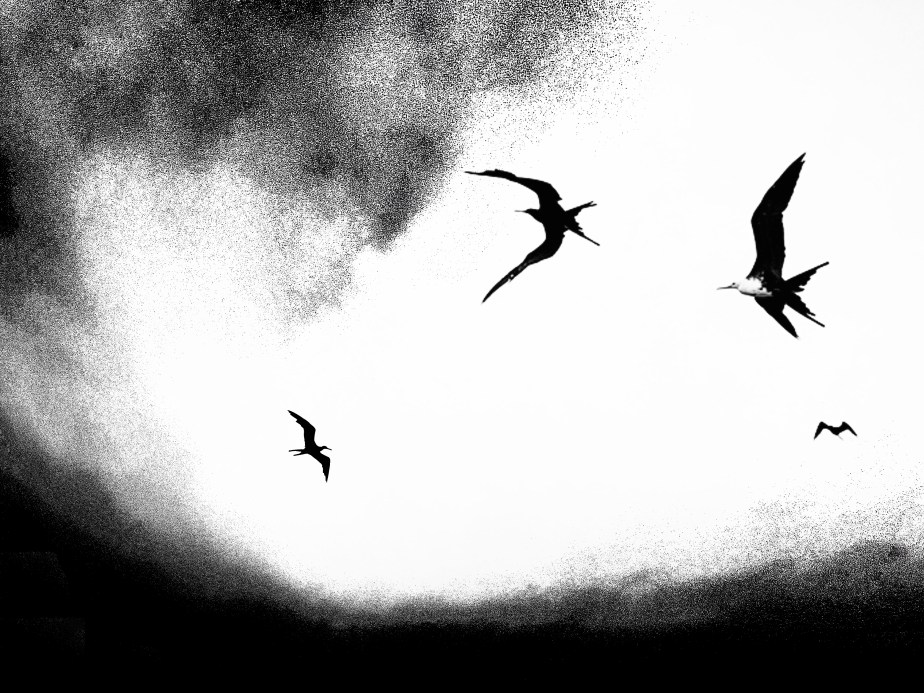
“Don’t believe what your eyes are telling you. All they show is limitation. Look with your understanding, find out what you already know, and you’ll see the way to fly” (Richard Bach – Jonathan Livingston Seagull).
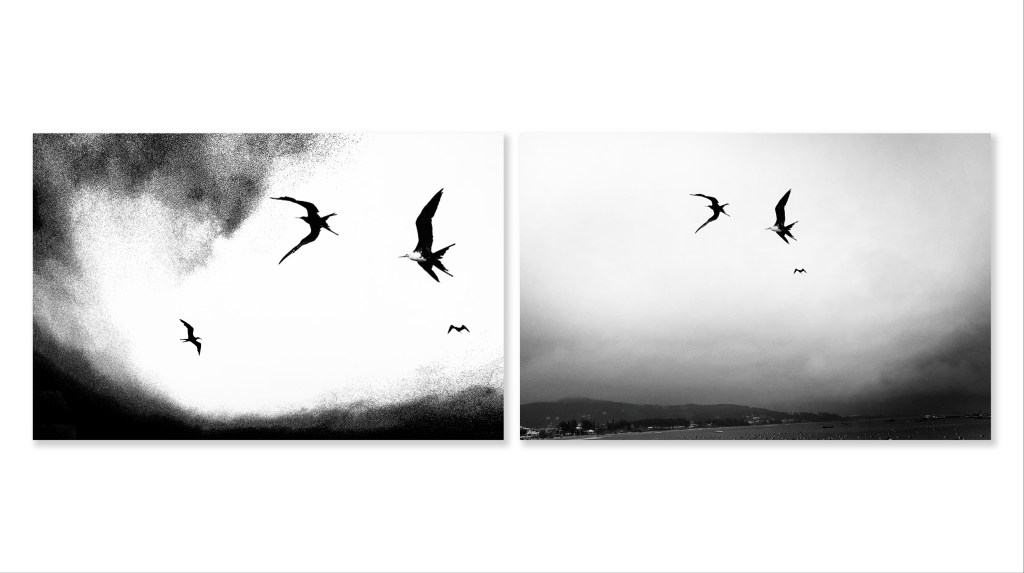
“Don’t believe what your eyes are telling you. All they show is limitation. Look with your understanding, find out what you already know, and you’ll see the way to fly” (Richard Bach – Jonathan Livingston Seagull).
I like this typology idea in photography. Look at my image files and try to assemble a selection of those that compose or approximate a particular typology. I feel this exercise expands my horizons in photography. But it is an exercise that requires a good deal of creativity. It contributes to my creativity development.


When I think about it, I am much more an “on-the-road” photographer than anything else I or any other name you all can give … and, I am satisfied, sincerely, with this title that I gave myself without any pomp or festivities of solemn acts that exist in life. I’m happy to try to be happy through photography, but it’s not easy to be happy … As only happy moments exist in life instead of the so-called happiness, I consider myself happy…Appearances, here, are not deceiving … They are real.

Sem dúvida, há (bem) mais de um motivo para admirar o trabalho de um dos maiores fotógrafos de todos os tempos, o americano Alfred Stieglitz (1864-1946).
No entanto, quero escrever hoje apenas sobre um deles que voltou à minha mente e consideração ao ler um livro que comprei recentemente chamado “A prática da fotografia contemplativa (ver o mundo com novos olhos) escrito por Andy Karr e Michael Wood (Shambhala Publicações Inc.). Boulder, Colorado, EUA. 2011), que é um conceito criado por Stieglitz denominado ‘Equivalente (ou Equivalentes)’. Segundo os autores “na fotografia contemplativa a literalidade da câmera é usada como um espelho para refletir o seu (nosso) estado de espírito. Ela mostra quando você fotografou o que viu – o que realmente apareceu – e quando você fotografou o que imaginou”.
O mote do livro, aliás – como, aliás, o seu título permite deduzir – é tentar responder a várias questões relacionadas com a fotografia contemplativa e, para mim, a principal, que os próprios autores se questionam, sendo: ‘como o claro ver produz imagens claras?’ E então os autores focam as discussões no conceito de ‘Equivalente’ de Stieglitz, afirmando claramente que ‘visão clara e criatividade de seu ser básico se conectam diretamente’ e só então ‘você produz imagens que são os EQUIVALENTES do que você viu’. E continuam dizendo que ‘o que ressoou dentro de você na visão original ressoará na fotografia’.
Acho esse conceito de Stieglitz extremamente revelador na fotografia. Um artigo do Art Institute Chicago (The Alfred Stieglitz Collection, Stieglitz Series, Equivalents – stock.https: //archive.artic.edu/stieglitz/equivalents/#_ftnref1) diz que Stieglitz começou em 1922 a tirar fotos de nuvens inclinando seu mão a câmera em direção ao céu para produzir imagens estonteantes e abstratas de suas formas etéreas ‘. De acordo com essa mesma fonte, em um artigo no ano seguinte, Stieglitz escreve que essas obras representaram o ápice de tudo o que ele havia aprendido nos últimos 40 anos na fotografia: ‘Através das nuvens [eu queria] abandonar minha filosofia de vida – para mostrar que minhas fotos não eram devidas ao assunto – nem a árvores especiais, ou rostos, ou interiores, a privilégios especiais, as nuvens estavam lá para todos – ainda não havia impostos sobre elas – de graça ‘. Também é lido que o grande fotógrafo fez cerca de 350 estudos fotográficos de nuvens ao longo dos próximos 8 anos (Alfred Stieglitz, “How I Came to Photograph Clouds,” Amateur Photographer and Photography 56 (1923), reimpresso em Richard Whelan, ed., Stieglitz on Photography: His Selected Essays and Notes, Aperture, 2000).

Voltando ao livro de Andy Karr e Michael Wood mencionado acima: os autores escrevem que a prática da fotografia contemplativa ocorre em três partes ou estágios, a saber: (1) ‘conectar-se com o flash da percepção’ (‘é um momento de ver que é unilateral, estável e livre de distração’); (2) ‘trabalhar com o discernimento visual’ (‘é a maneira como você mantém o estado de espírito contemplativo após o lampejo inicial de percepção’) e (3) ‘formando o equivalente do que vimos’ (‘é o nosso objetivo produzir um imagem que é comparável ao que percebemos – nada mais, nada menos ‘…’ para usar a câmera para criar o equivalente da percepção’).
Finalmente, é neste terceiro estágio da teoria de Karr e Wood que o conceito de ‘Equivalentes’ de Stieglitz entra em ação e traduz, para mim, toda a beleza (e complexidades) de fazer fotografias. Lembrando o que Stieglitz disse uma vez: ‘Através das nuvens [eu queria] colocar minha filosofia de vida – para mostrar que minhas fotografias não eram devidas ao assunto – nem a árvores especiais, ou rostos, ou interiores, a privilégios especiais, as nuvens estavam lá para todos – nenhum imposto ainda sobre elas – grátis’.
One reason (one of many) to be enchanted by Alfred Stieglitz’s photography
Without a doubt, there is more than one reason to admire the work of one of the greatest photographers of all time, the American Alfred Stieglitz (1864-1946).
However, I want to write today just about one of them that came back to my mind and consideration by reading a book I bought these days called “The practice of contemplative photography (Seeing the world with fresh eyes) written by Andy Karr and Michael Wood (Shambhala Publications Inc. Boulder, Colorado, USA. 2011) which is a concept created by Stieglitz called ‘Equivalent (or Equivalents).’ According to the authors ‘in contemplative photography the camera’s literalness is used as a mirror to reflect your (our) state of mind. It shows when you shot what you saw – what actually appeared – and when you shot what you imagined’.
The motto of the book, by the way – as, by the way, its title allows one to deduce – is to try to answer several questions related to contemplative photography and, for me, the main one, which the authors question themselves, being: ‘how does clear seeing produce clear images?’ And then the authors focus discussions on Stieglitz’s concept of ‘Equivalent’ clearly stating that ‘clear seeing and creativity of your basic being connect directly’ and only then ‘you produce images that are the EQUIVALENTS of what you saw’. And they go on saying that ‘what resonated within you in the original seeing will resonate in the photograph’.
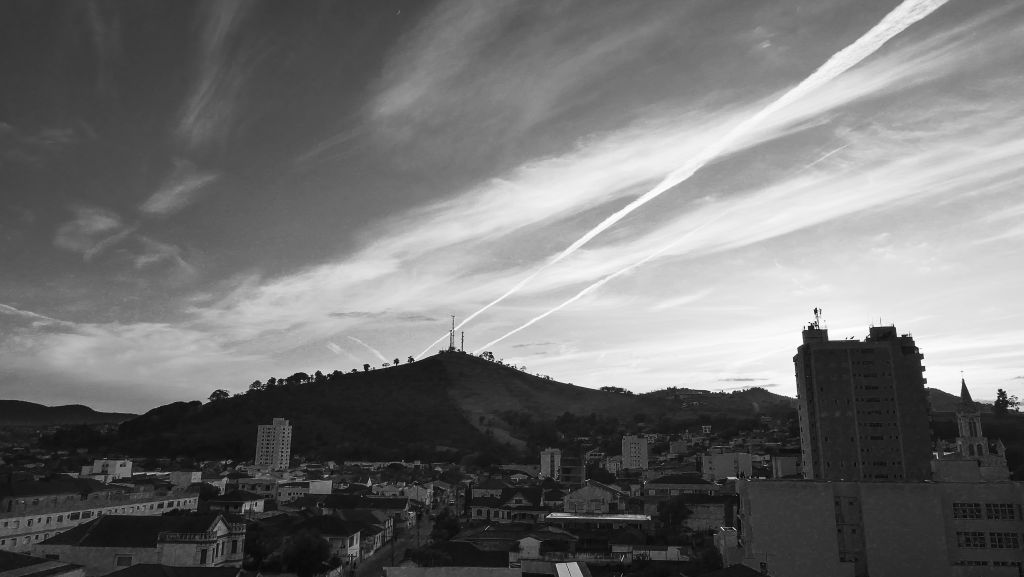
I find this concept of Stieglitz extremely revealing in photography. An article by the Art Institute Chicago (The Alfred Stieglitz Collection, Stieglitz Series, Equivalents -stock.https://archive.artic.edu/stieglitz/equivalents/#_ftnref1) reads that Stieglitz started in 1922 to take cloud photographs ’tilting his hand camera towards the sky to produce dizzying and abstract images of their ethereal forms’. According to this same source, in an article the following year, Stieglitz writes that these works represented the culmination of everything he had learned over the past 40 years in photography: ‘Through clouds [I wanted] to put down my philosophy of life—to show that my photographs were not due to subject matter—not to special trees, or faces, or interiors, to special privileges, clouds were there for everyone—no tax as yet on them—free’. It is also read that the great photographer made about 350 photographic studies of clouds over the next 8 years (Alfred Stieglitz, “How I Came to Photograph Clouds,” Amateur Photographer and Photography 56 (1923), reprinted in Richard Whelan, ed., Stieglitz on Photography: His Selected Essays and Notes, Aperture, 2000).
Returning to the book by Andy Karr and Michael Wood mentioned above: the authors write that the practice of contemplative photography takes place in three parts or stages, namely: (1) ‘connecting with the flash of perception’ (‘is a moment of seeing that is one-pointed, stable, and free from distraction’); (2) ‘working with visual discernment’ (‘is the way you maintain the contemplative state of mind after initial fash of perception’) and (3) ‘forming the equivalent of what we have seen’ (‘is our aim to produce an image that is comparable to what we perceive – nothing more, nothing less’ … ‘to use the camera to create the equivalent of the perception’).
Finally, it is in this third stage of Karr and Wood’s theory that Stieglitz’s concept of ‘Equivalents’ comes into play and translates, for me, all the beauty (and complexities) of making photographs. Recalling what Stieglitz once said: ‘Through clouds [I wanted] to put down my philosophy of life—to show that my photographs were not due to subject matter—not to special trees, or faces, or interiors, to special privileges, clouds were there for everyone—no tax as yet on them—free’.
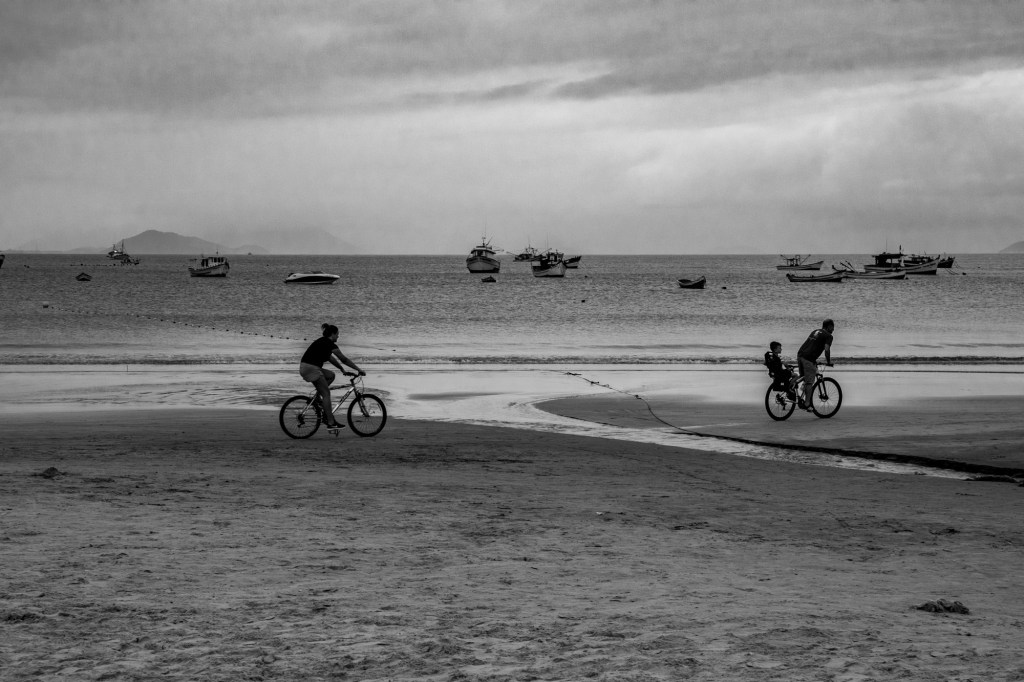
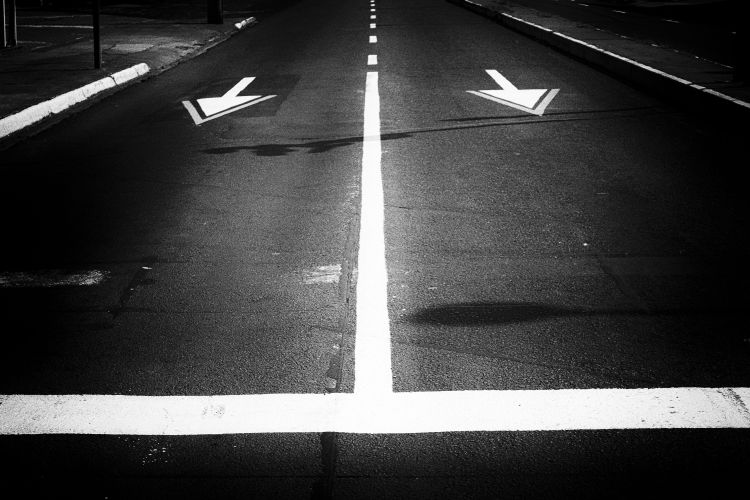
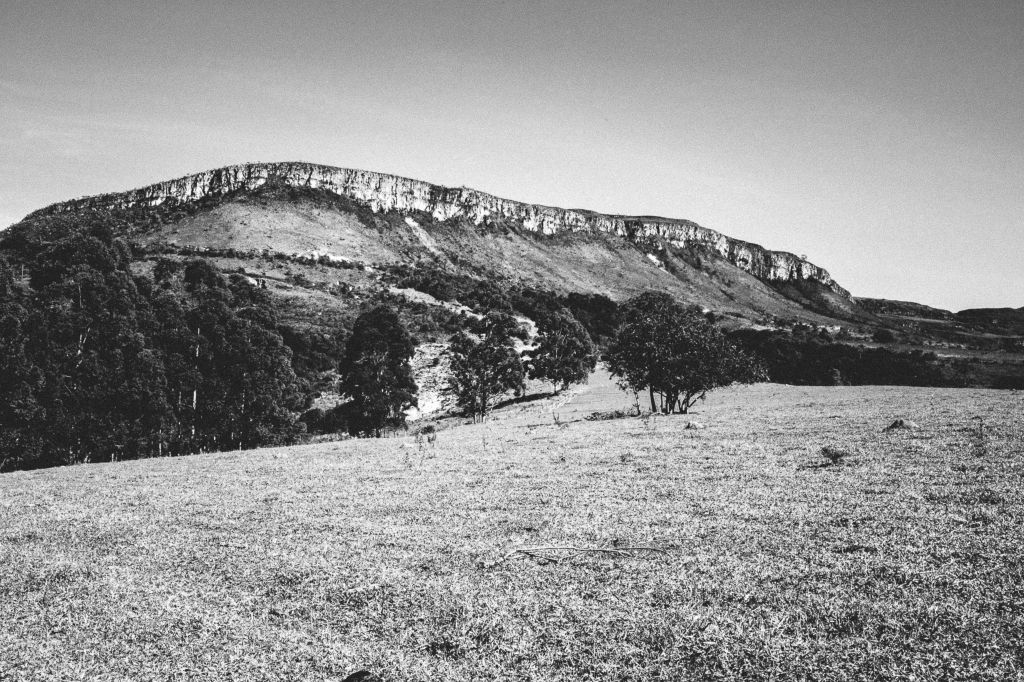
I’m (almost) absolutely sure you won’t believe it: I never seek to mimic/emulate (or using a uglier word in this case: imitate, copy) photographs of great masters (of all of us photographers, I believe), but this ghost (if it’s really a ghost he’s a good one) chases me….even though, premeditatedly (this is another thing I don’t think you’ll believe), I never go out to my photo shoots with that idea in my head. But, they keep happening through the years. Here I show SEVEN examples.
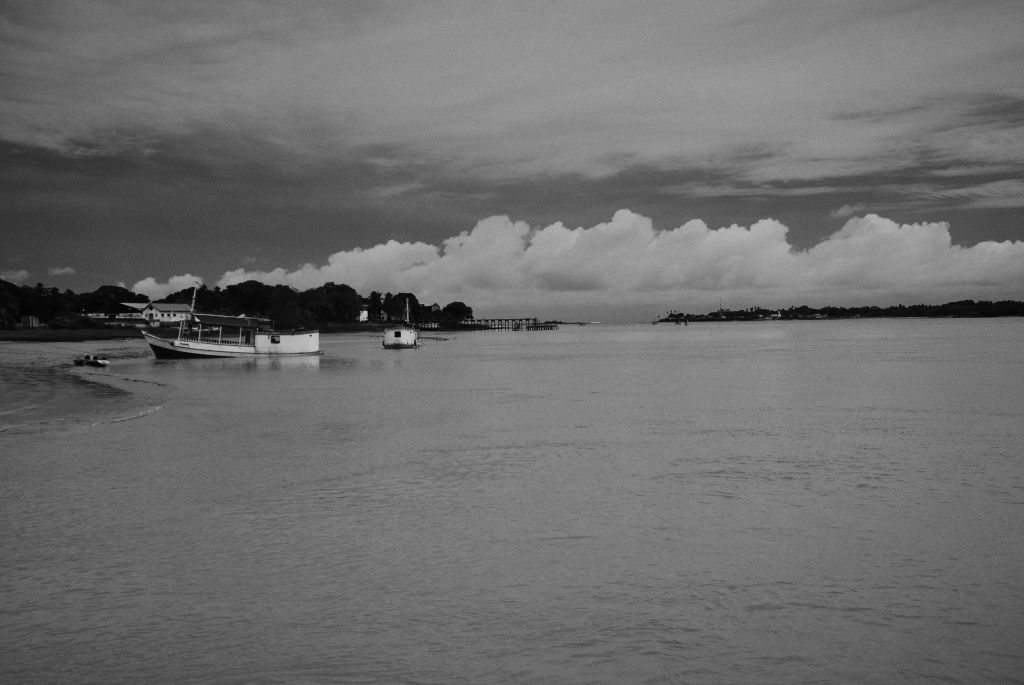
I wonder: why black and white landscape photography continues to entertain me, to enchant me over the years?…I think it’s for many reasons…but I wouldn’t dare mention the main one…only I know that I am more enchanted with each passing day that I photograph landscapes like the ones I share now…I hope you like it…leave your comment that I would greatly appreciate…




…to see and know how we are, how we were…to never forget what and how we are and what we are becoming…to become aware of what and how time changes us, slowly, definitely…
{…portraits…always portraits…}
Brassaï (1899-1984) questions in his book ‘Proust and photography’ (original title: ‘Marcel Proust sous l’emprise de la photographie’ and published in Brazil in Portuguese in 2005 by Jorge Zahar Ed., Rio de Janeiro) (version that I now read) that “a simple photograph would possess so as much presence as a real person? Yes, Proust thinks, the photo is even a kind of real double, loaded with all the potentialities of a being”.
And Brassaï goes on to say: “every portrait would not attest to the presence of a person in front of a lens, would it not be an image traced by light itself, as its etymology indicates, by the way: photos=light, graphein=trace? WOULDN’T IT BE THE VERY EMANATION OF THE BEING?”
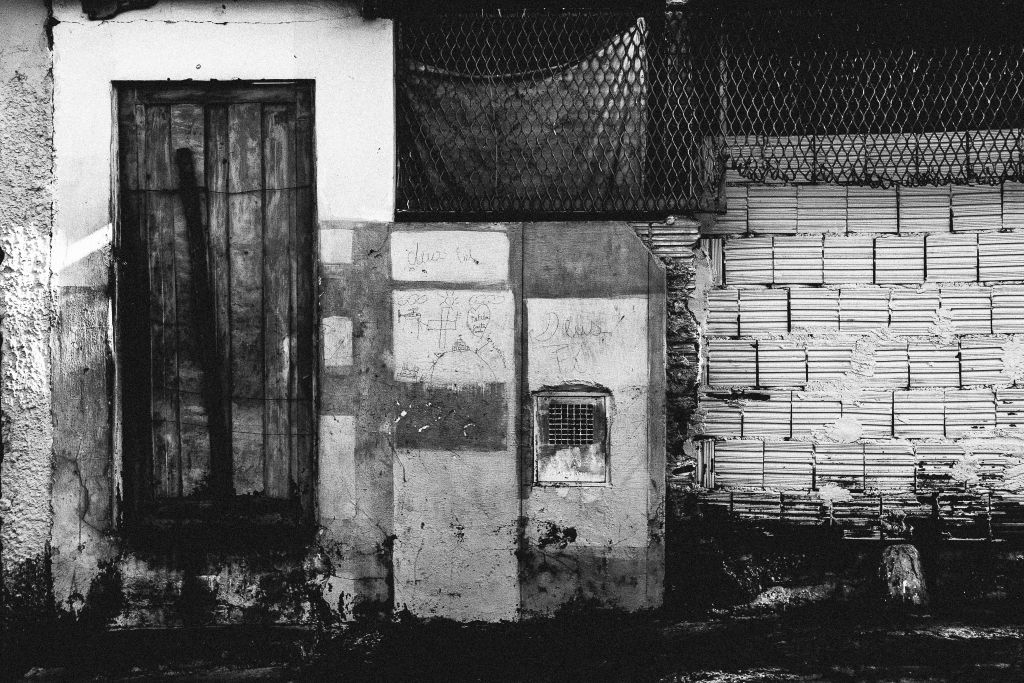
[.D.E.M.O.L.I.T.I.O.N.]
{interior of são paulo state, brazil} {abandoned sugar and ethanol plant}

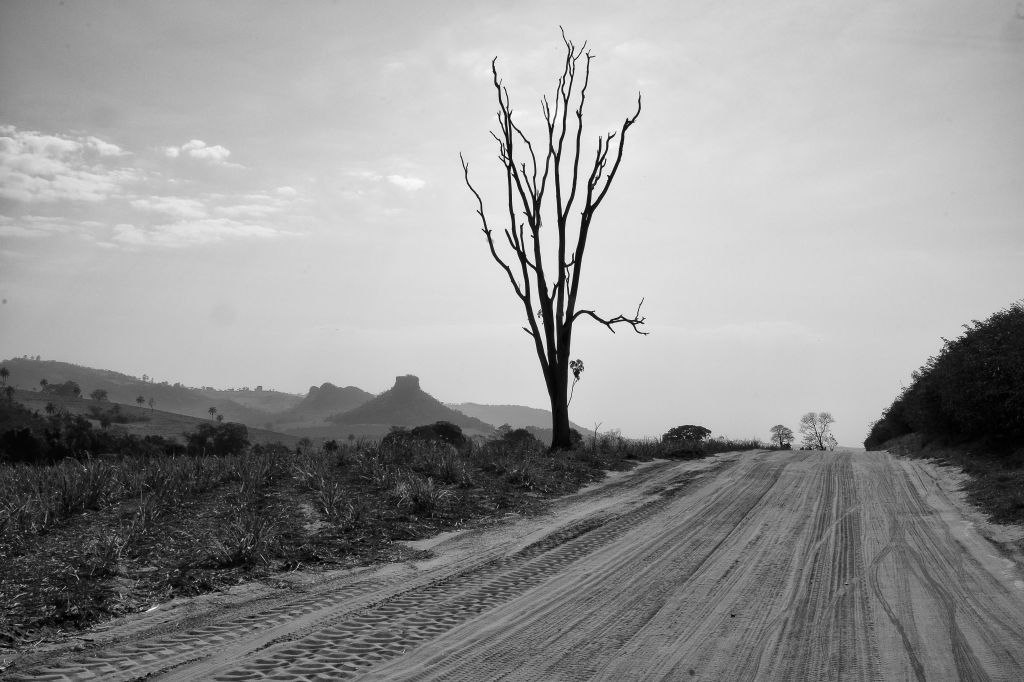
trees: if you don’t have them how to know them?
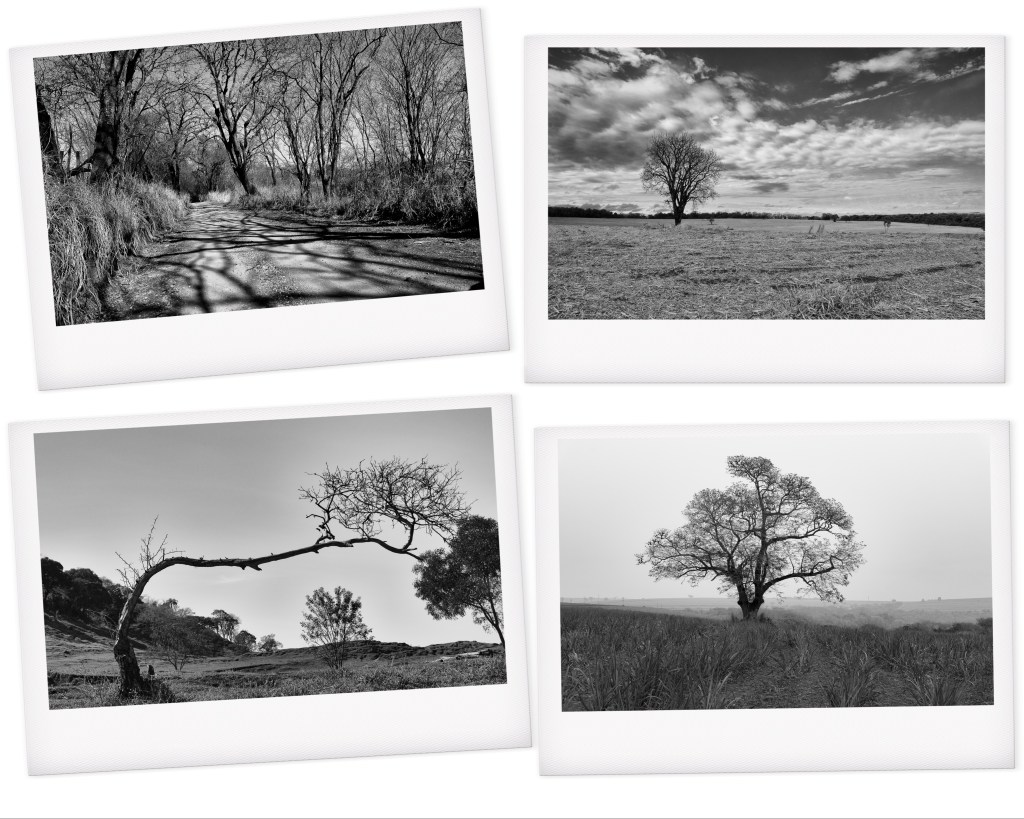

…black and white is beaultiful…


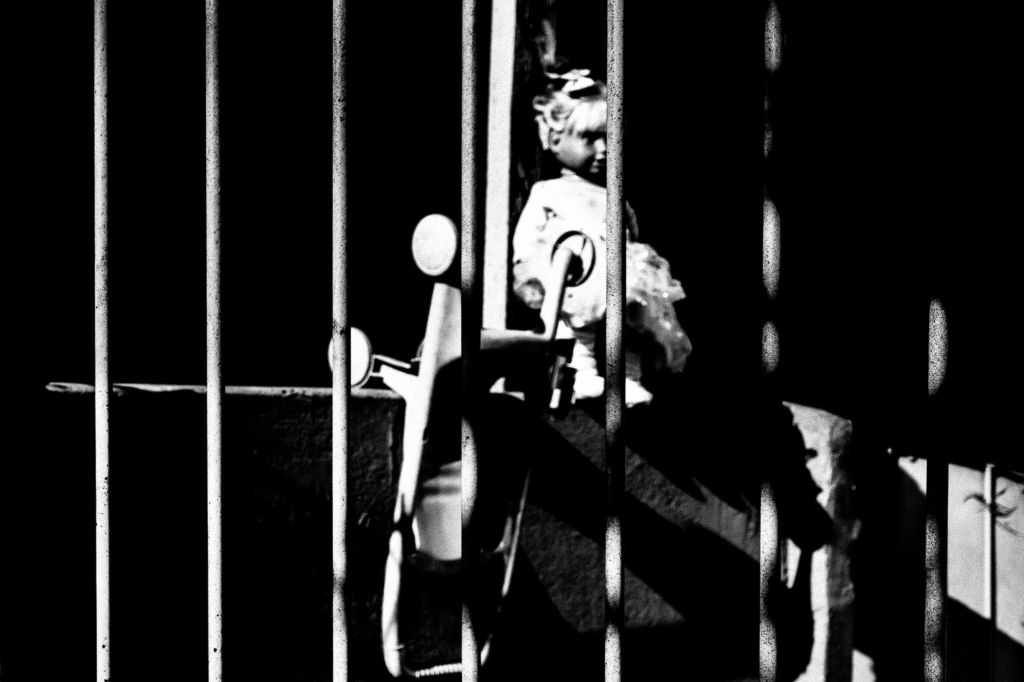
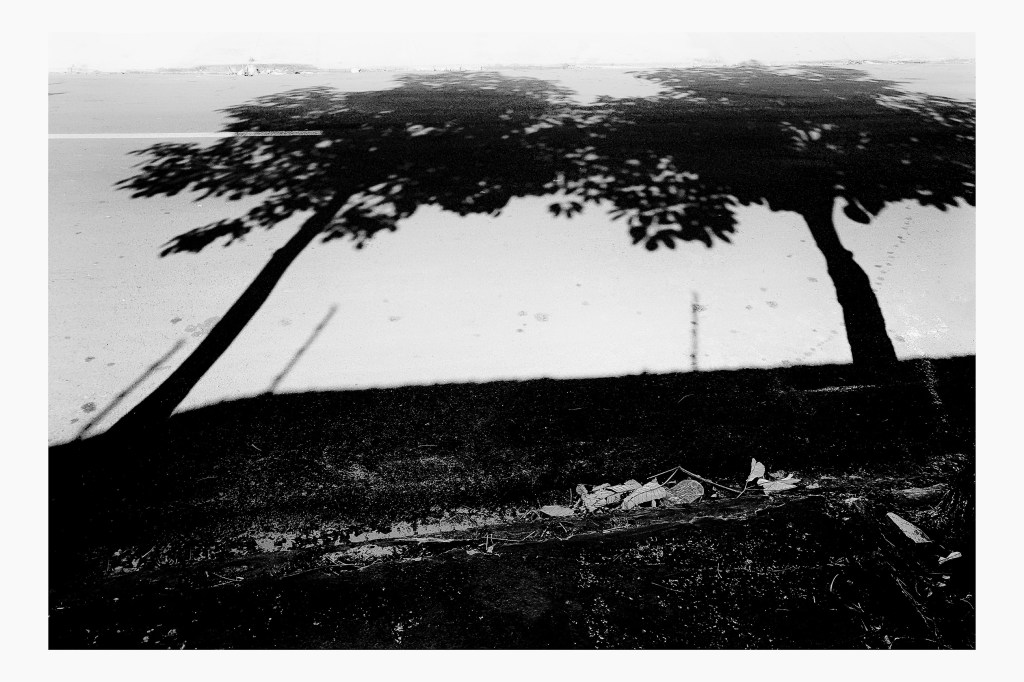
In the book “Understanding a photograph” by John Berger (organization and introduction by Geoff Dyer and translation by Paulo Geiger) (Cia das Letras. São Paulo. 2017) (an authentic treatise on photography made known by master Juan Esteves, São Paulo) I read and reread it a few times (good things have to be tasted homeopathically) the ‘reading’ of the photo on the left of 1944 (made three years before this writter was born) by Paul Strand in Vermont, New England-USA, and the that you can read there with all the letters impresses me, touches me a lot.
Berger says of Strand’s work: “His best photographs are unusually dense – not in the sense of being overloaded or obscure, but in the sense that they are filled with an unusual amount of substance per square centimeter. And all this substance becomes the essence of the object’s life. Take the famous portrait of Mr. Bennet. His jacket, his shirt, his beard on his chin, the wood of the house behind him, the air around him become, in this image, the very face of his life, of which his facial expression is the concentrated spirit”.
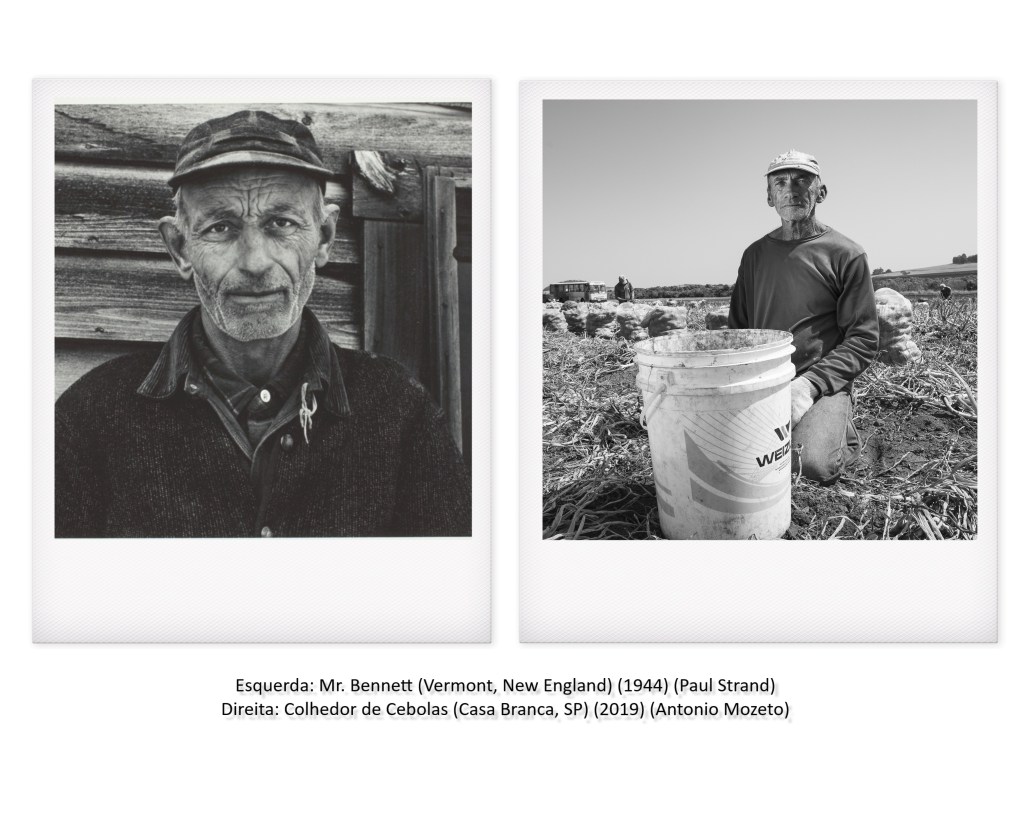
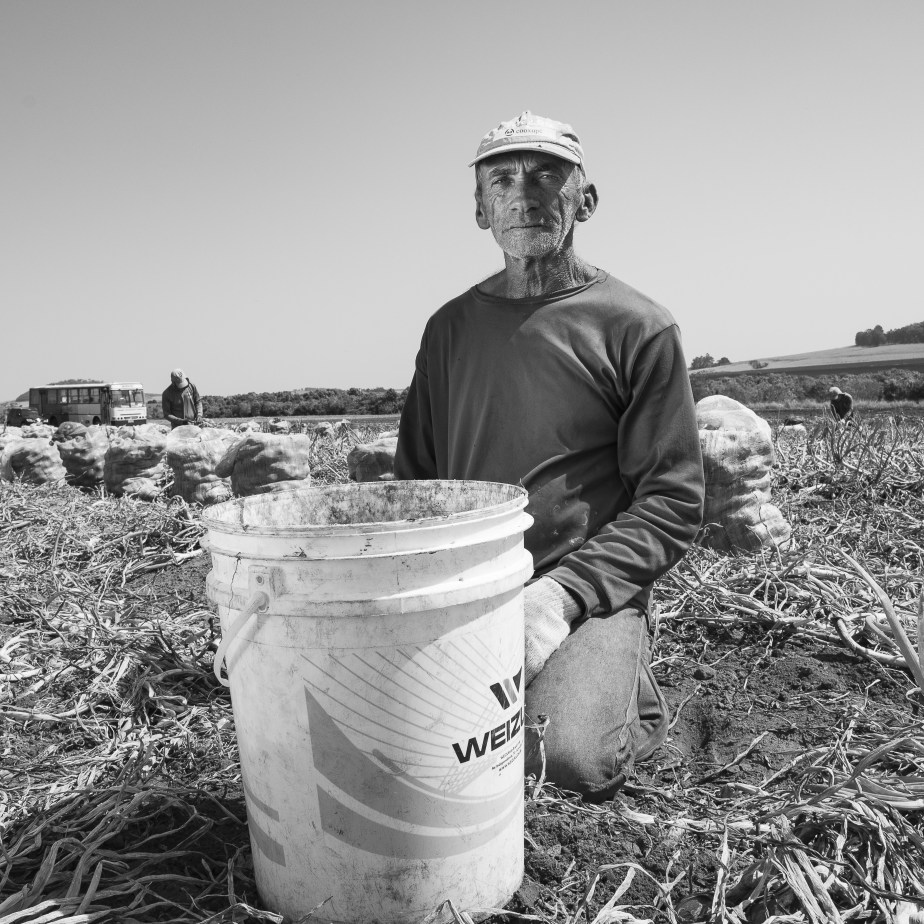
Right: Onion harvester (Casa Branca, SP-Brasil) (2019) Antonio Mozeto.
The photo on the right that I took in 2019 of an onion harvester in Casa Branca (SP-Brazil) has a much more explicit surface given that the worker is in his own working environment. And, without due permission, but with due boldness, ‘reading’ my photo, I make Berger’s words about the current Paul Strand photo mine: all the substance of the photo is in the expressive look of the worker, in a marked face due to the hardships of hard work and the properties of his surroundings: the harsh and striking light of the day in full sun, the onion harvesting bucket, the onion sacks lined up behind him, two companions of toil and the bus that brings him a lot early for the harvest and takes you home at the end of another day of this person’s hard daily workday.
As Berger rightly said (operate citato) “in the relationship between photography and words, the first yearns for an interpretation, and words usually supply it. The photograph, irrefutable as evidence, but weak in meaning, gains meaning from words”.

![[.P.O.R.T.R.A.I.T.S.]](https://antoniomozetophotography.com/wp-content/uploads/2021/06/pag-dupla-extra-rurais-07-.jpg?w=924&h=0&crop=1)
![[trees]](https://antoniomozetophotography.com/wp-content/uploads/2021/05/usina-ipiranga-2020g1.jpg?w=924&h=0&crop=1)