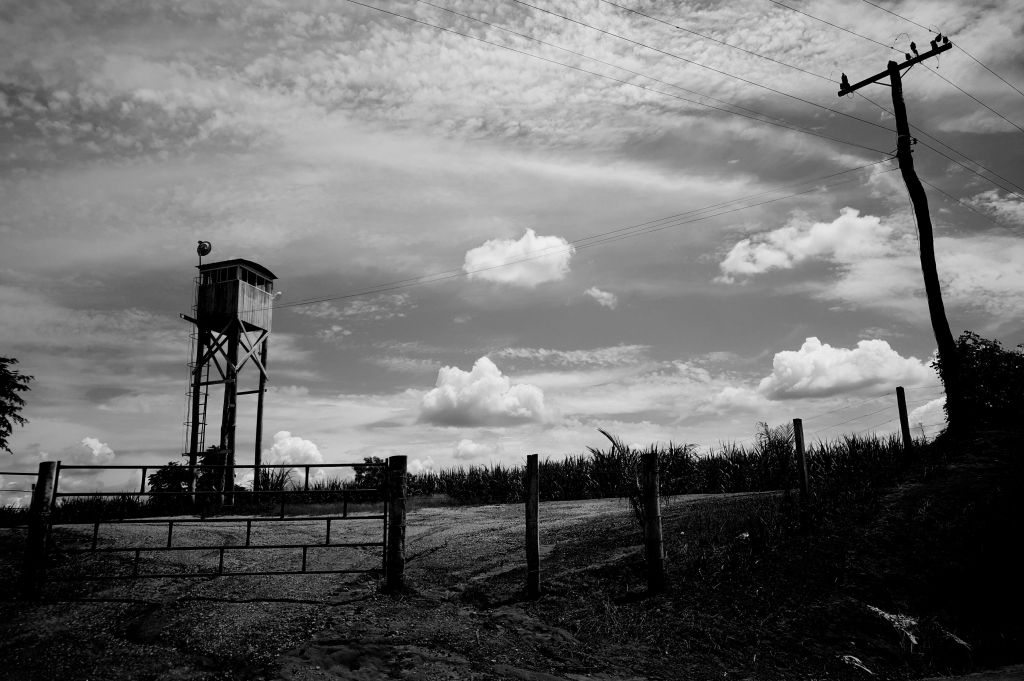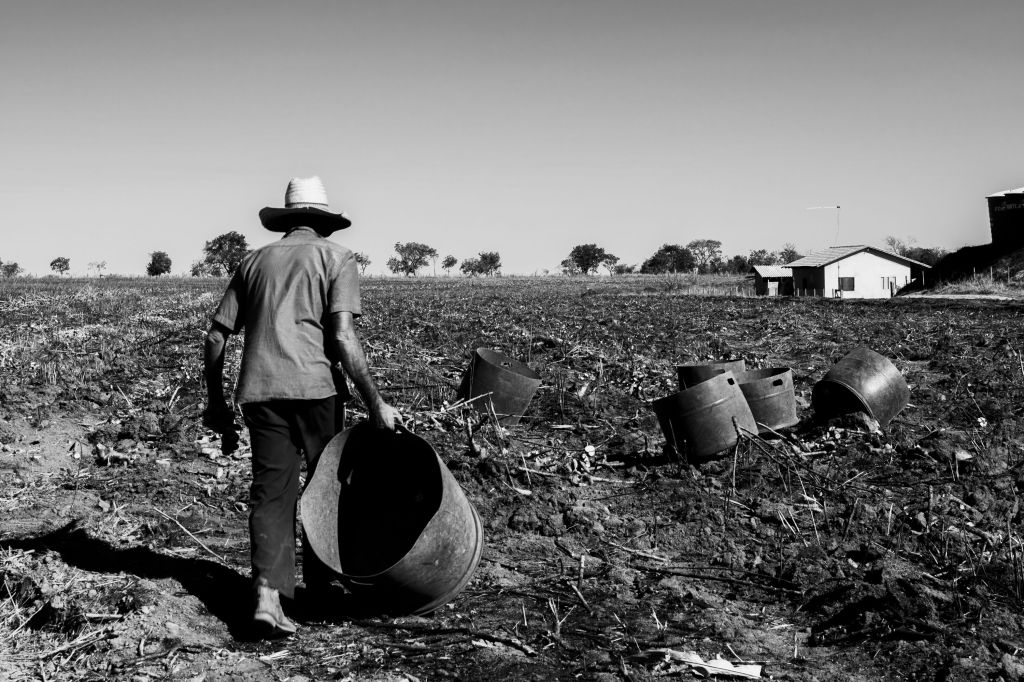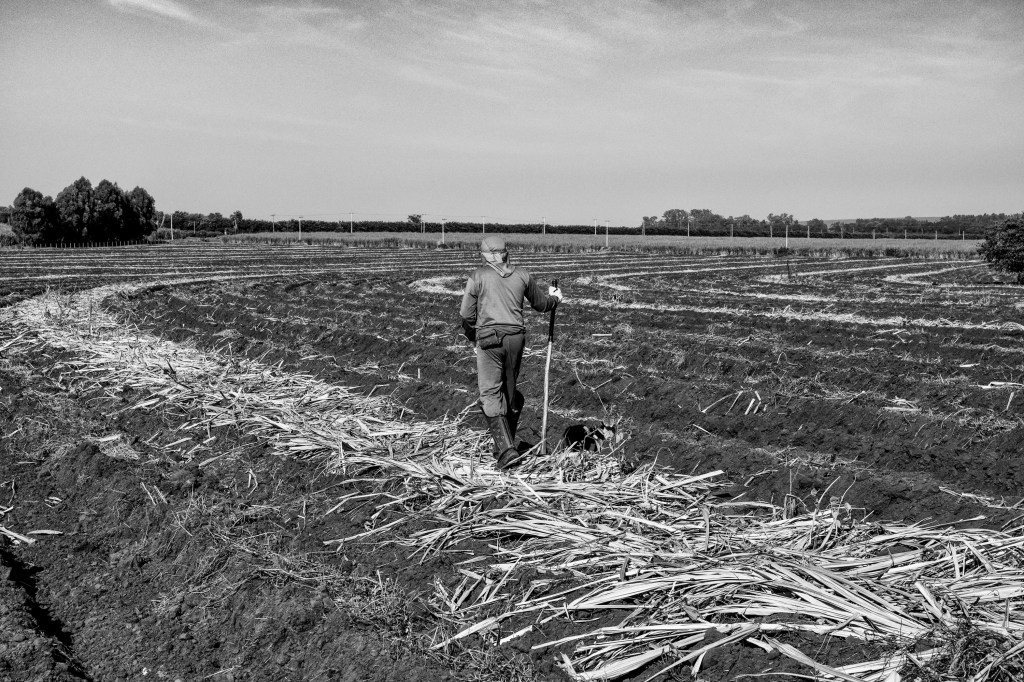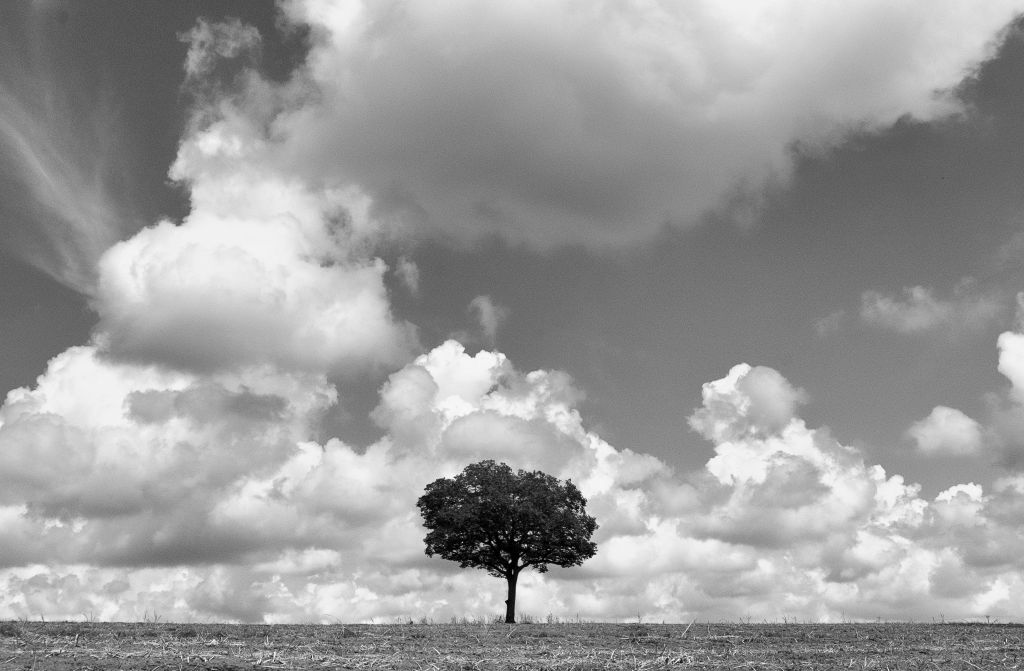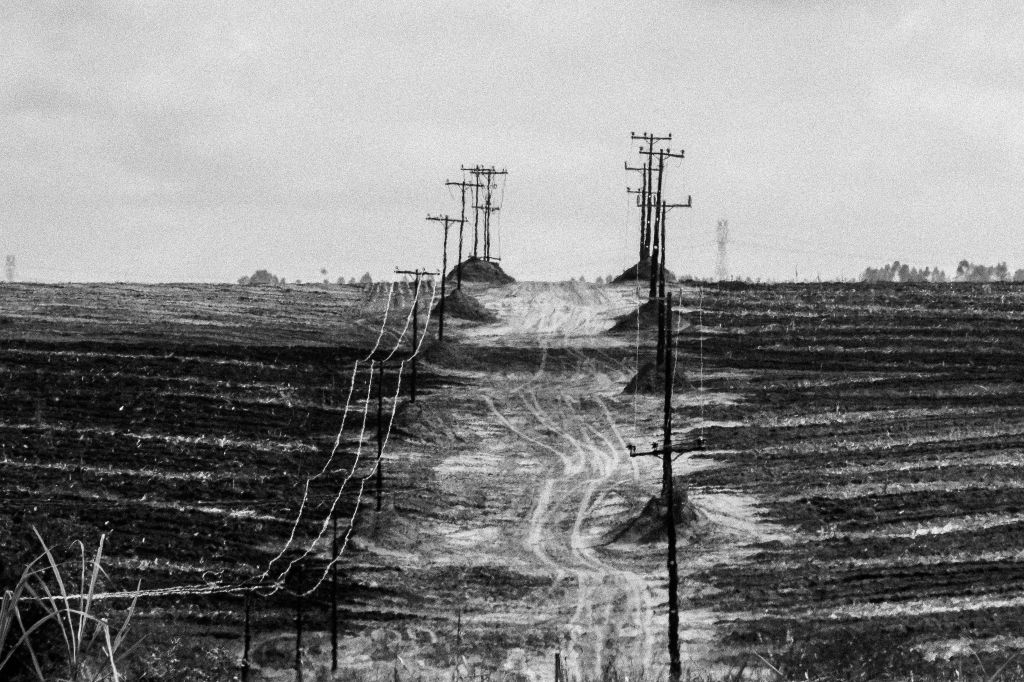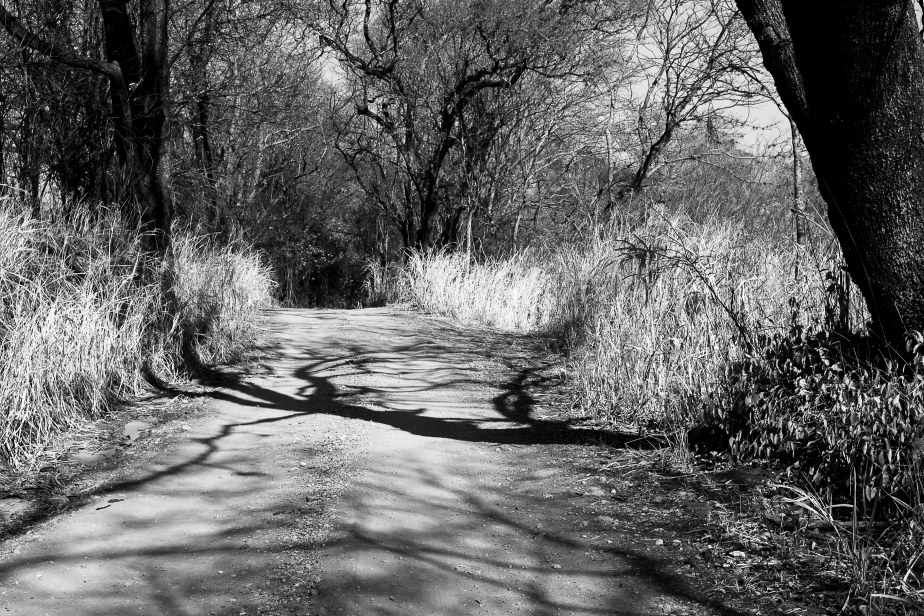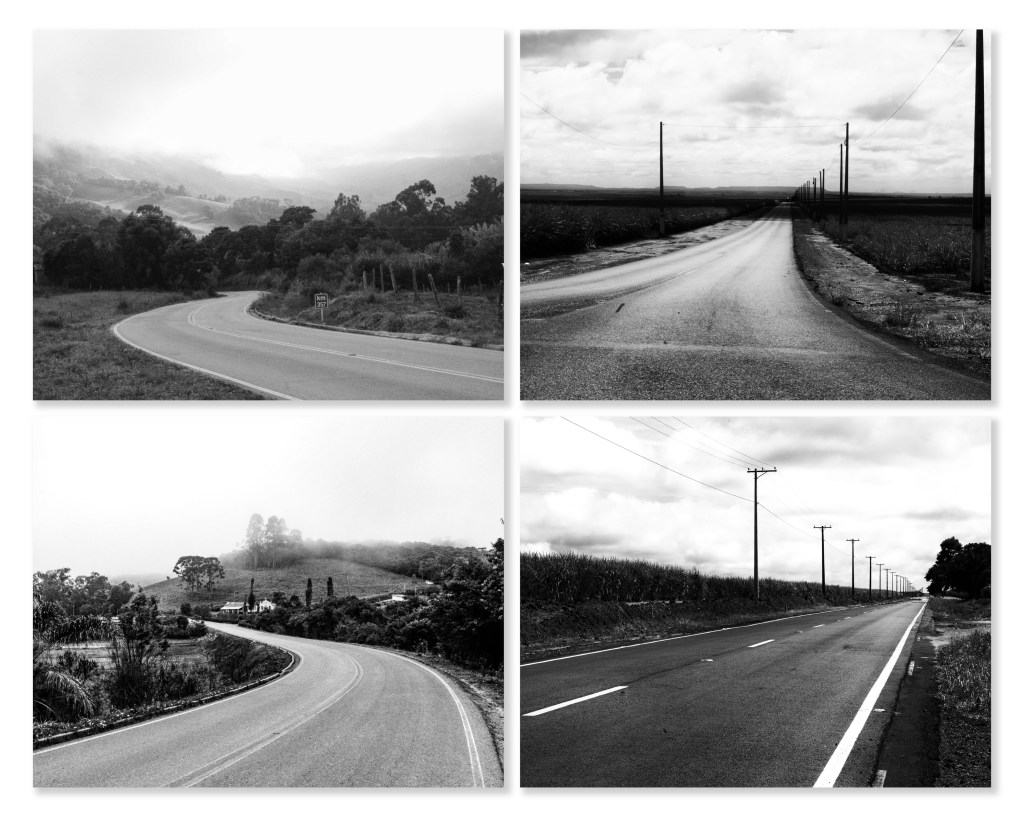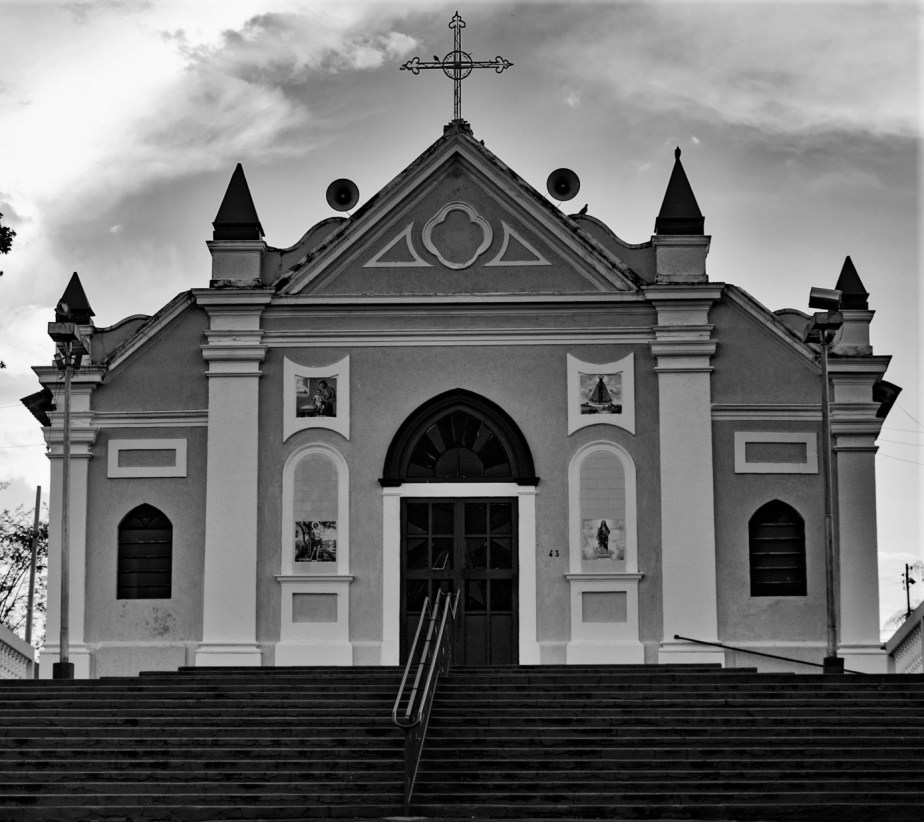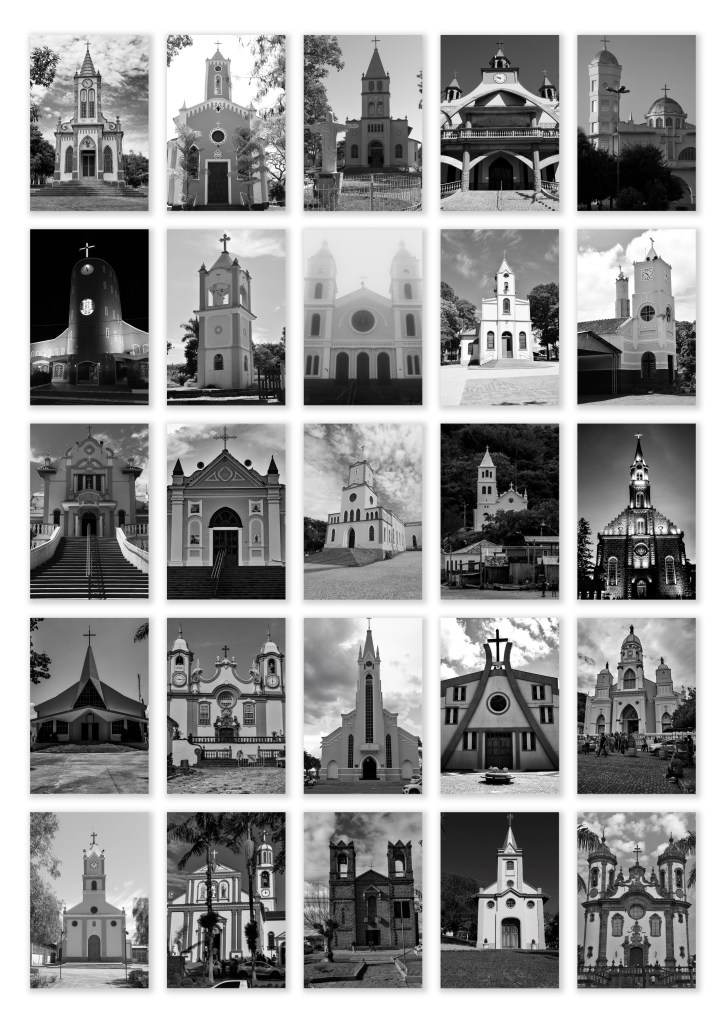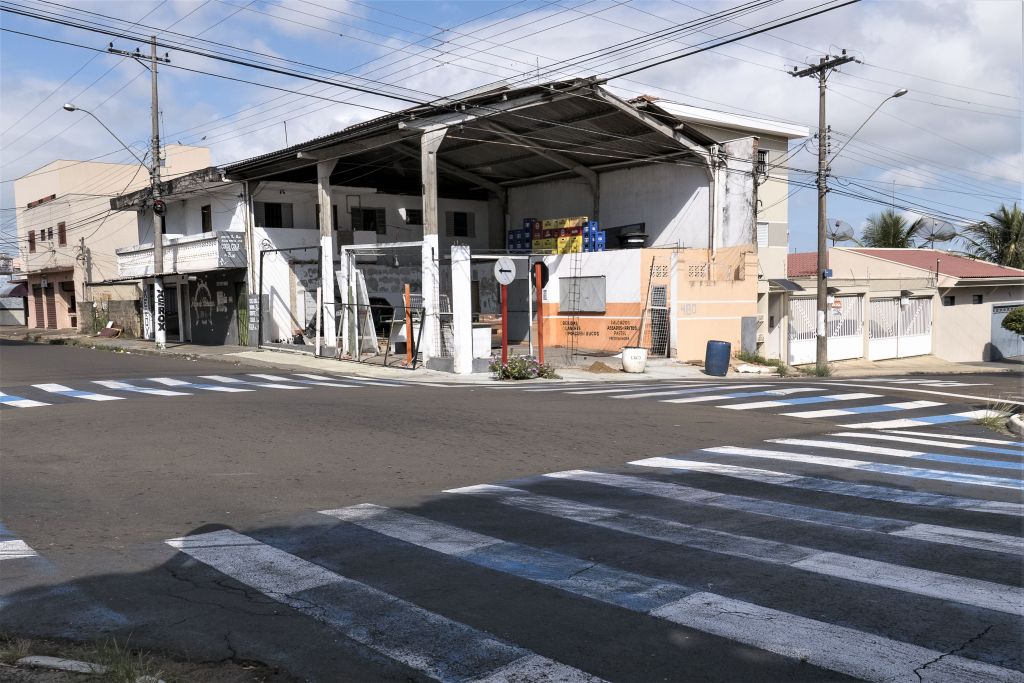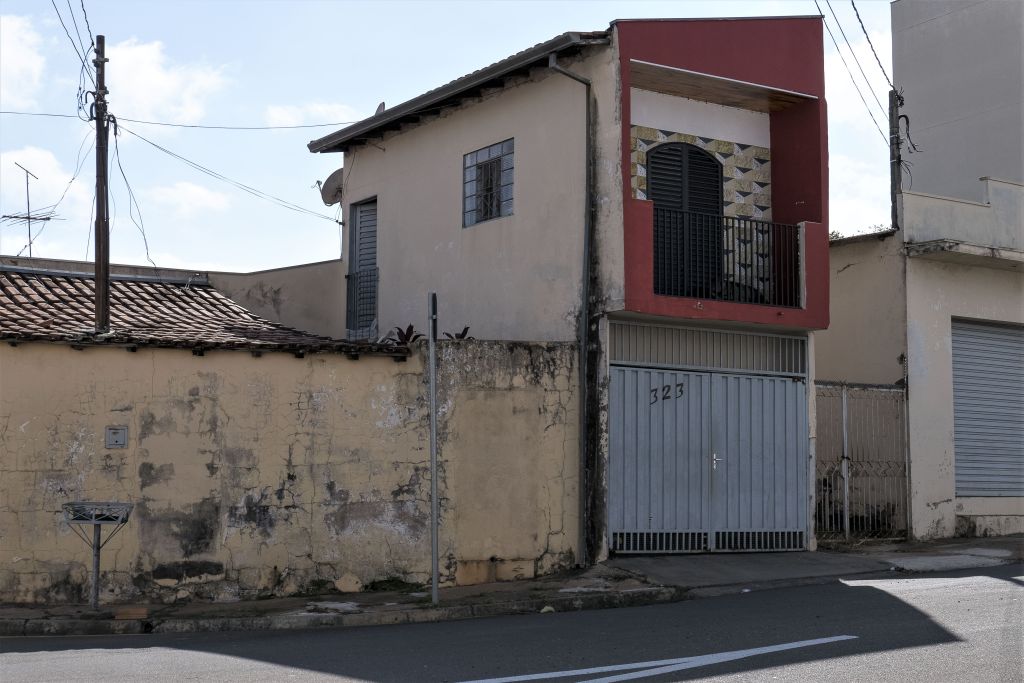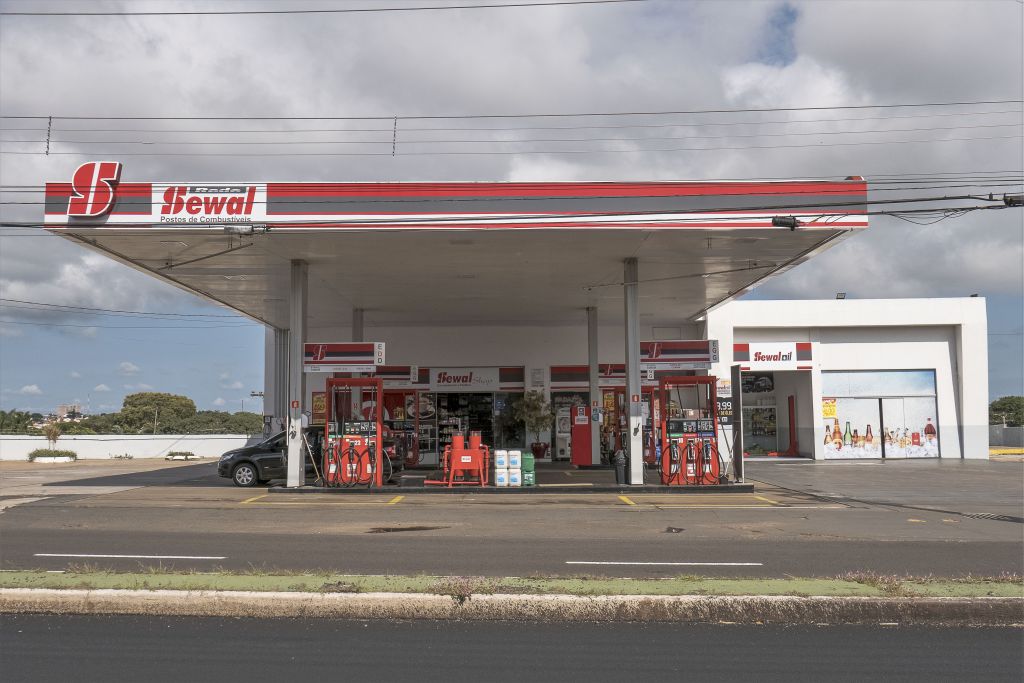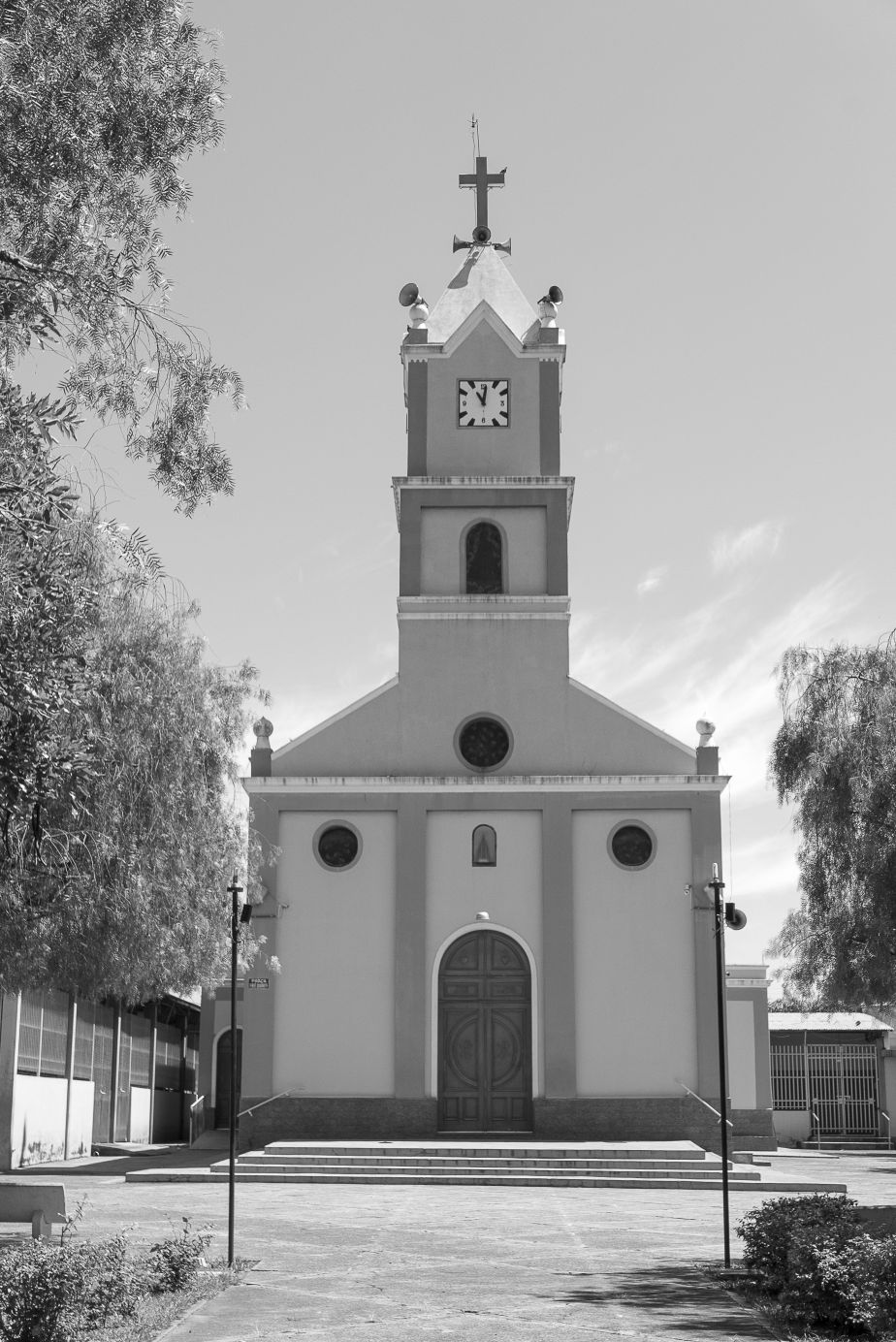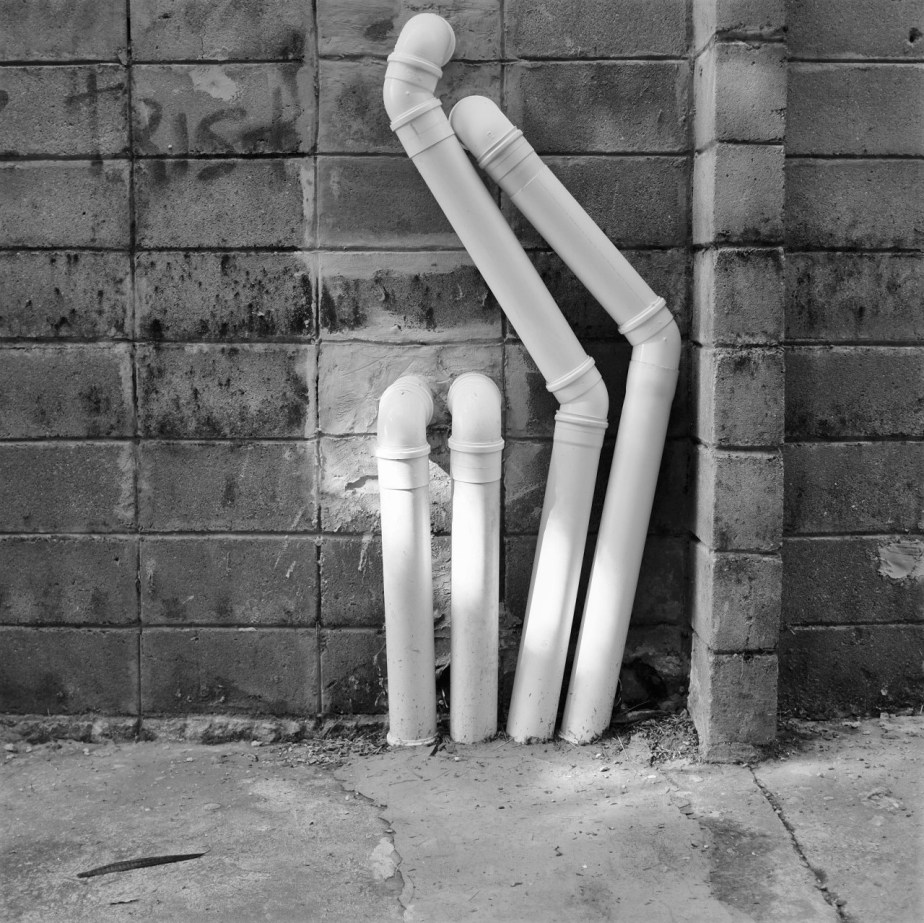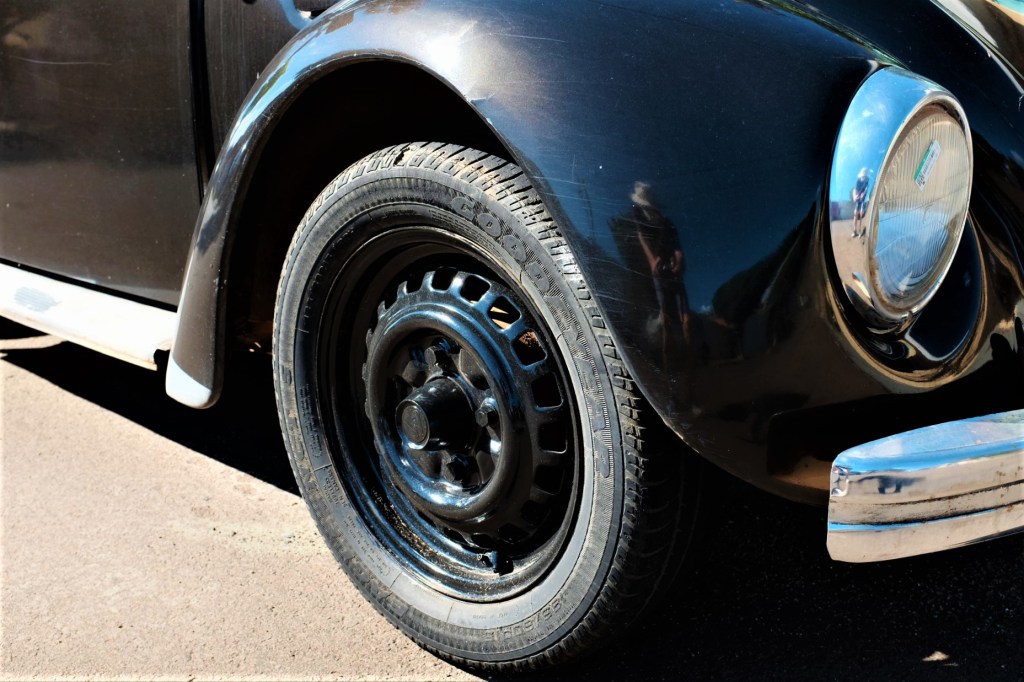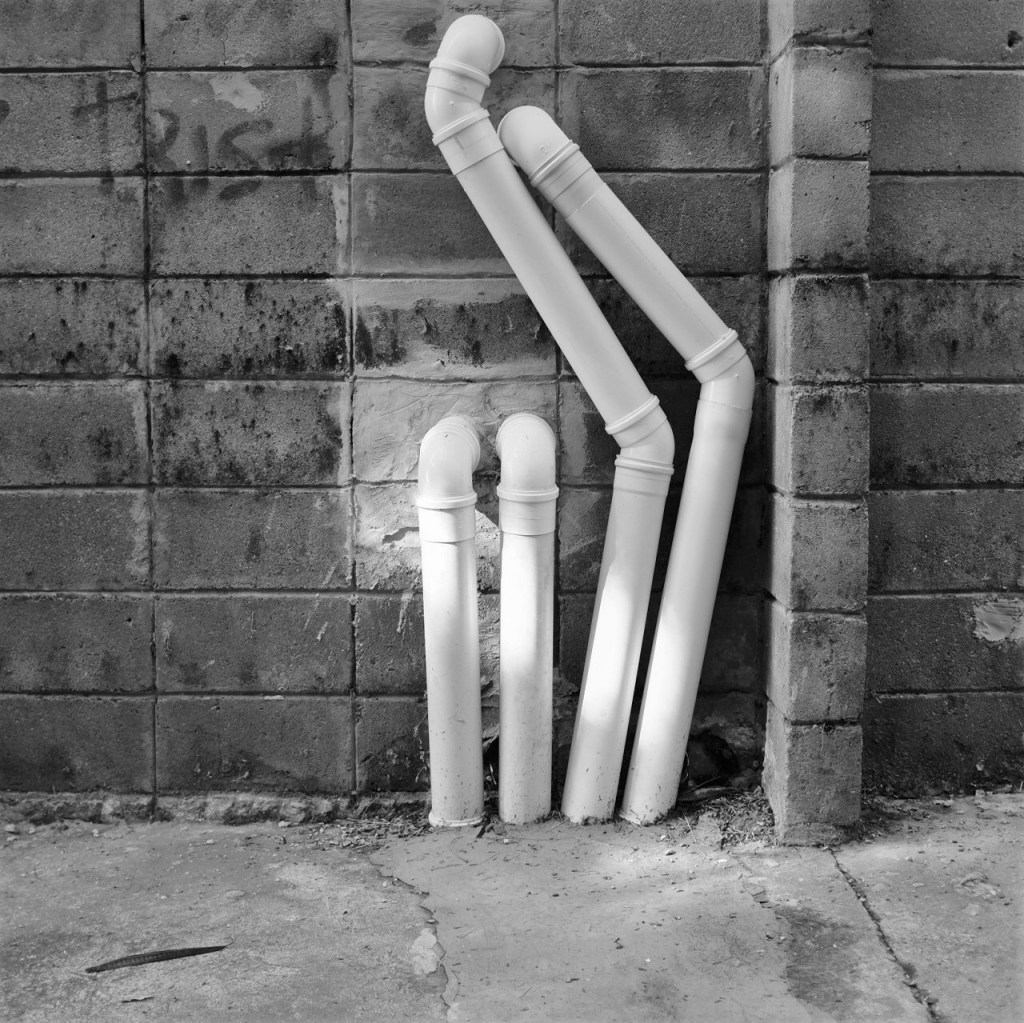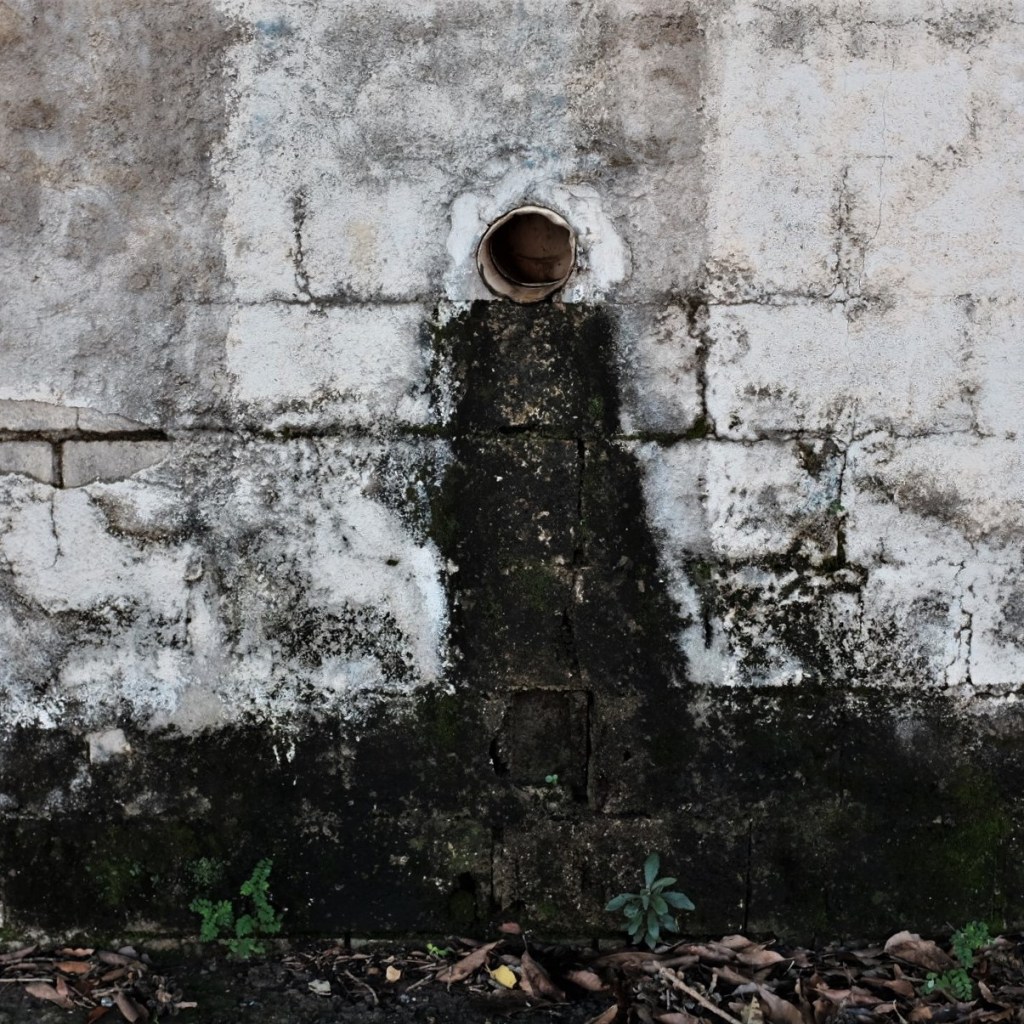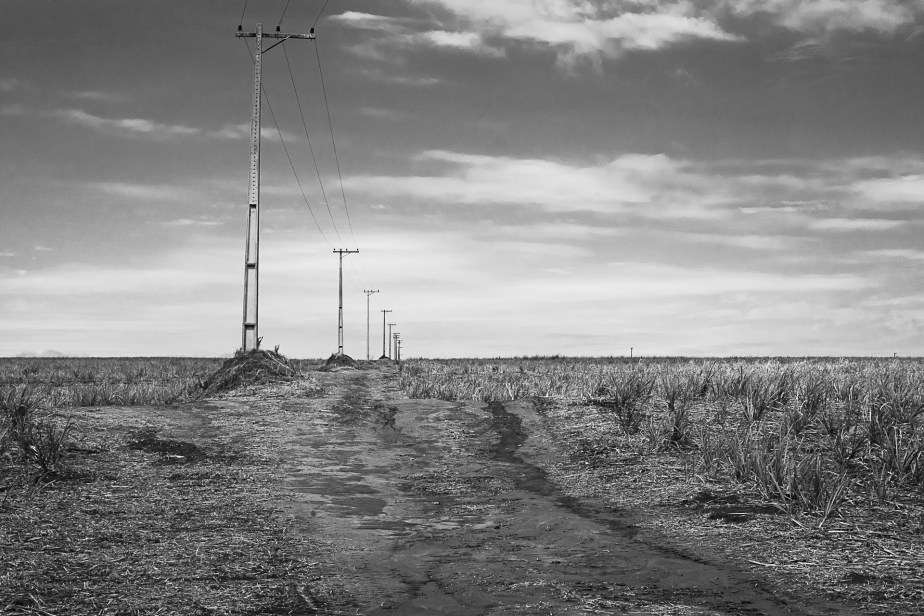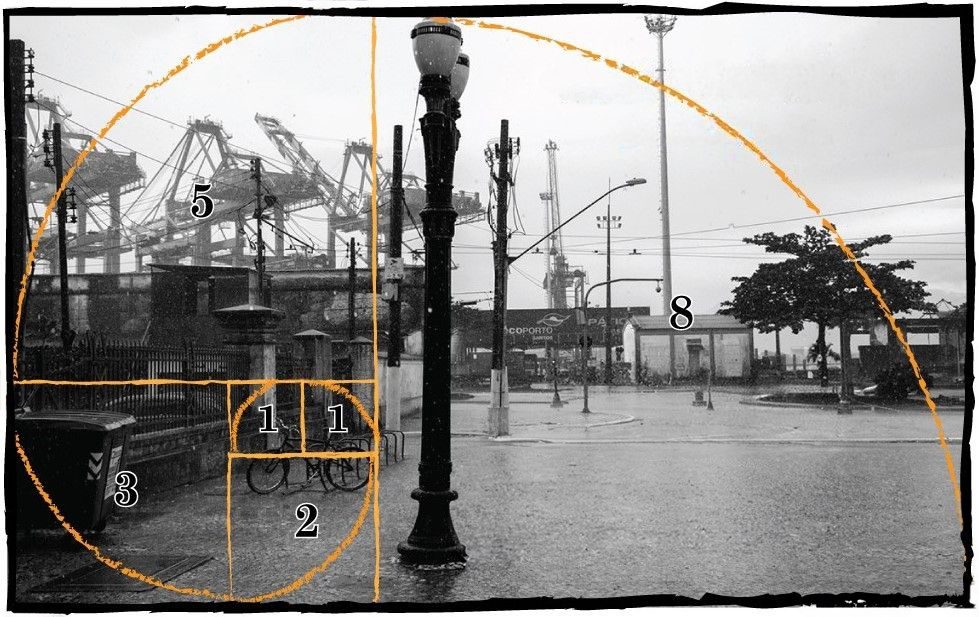
โฆ however banal, trivial they may seem, I feel that the landscapes raise me to a state of mind that changes my day, that brings me hope that better days are coming โฆ I wonder: it wouldn’t be that one, the main purpose of photography? โฆ make you happy in the first place? โฆ my answer is yes โฆ
As much as industrial development has brought improvements in Humanity’s standard of living worldwide, Man leaves his tracks in the immense and irreversible transformations and environmental damage inflicted on Nature, Urban and Rural Landscapes.
The black and white photograph for me is this: they are pictures with an air of mystery, of tension in the air. Mystery and tension suspended in the air as if in a micro second a posteriori there would be an explosion or another sudden change and everything would become different from this previous instant. For me, nothing like street photography to fill these pre-requisites. Continue reading “an air of mystery…”→
โฆ I like the manifestations of nature’s architecture and men’s architecture โฆ I really think that photography has a good part of its strength in geometries, textures, patterns and then architecture, both in nature and in which men practice, perform a strong roleโฆ
โฆ. and the architecture that men practice, the architecture of the industrial revolution, is very impressive to me โฆ
โฆ here are some more examples of photographs I have taken during this pandemic period โฆ I hope you like them โฆ.
Our sister-companions of nature who are trees also always follow the courses of our rivers, lake margins protecting them by supporting their banks with their roots, softening the effects of the high temperatures of their waters with their shadows, offering refuge from predators and a breeding ground for aquatic animals.
For passers-by and photographers, like me, they give them everything they want: a view of the beauty of their trunks, branches and majestic crowns and their breathtaking reflectionโs images in their calm waters of rivers and lakes.
In the Amazonian rivers there are many trees that are so prominent in the environment that they are called Notable Trees and are included in the mavegation maps. The featured image tree of this post is one of them.
Film photographs made in the 1990s and 2000s in the Brazilian Amazon Region.
Trees are also good companions for lonely walkers on the arid paths in life. They are always there to make your paths more beautiful and to offer you the taste of their fruits, the scent of their flowers and the friendly freshness of their shadows to restore our strength in a moment of rest.
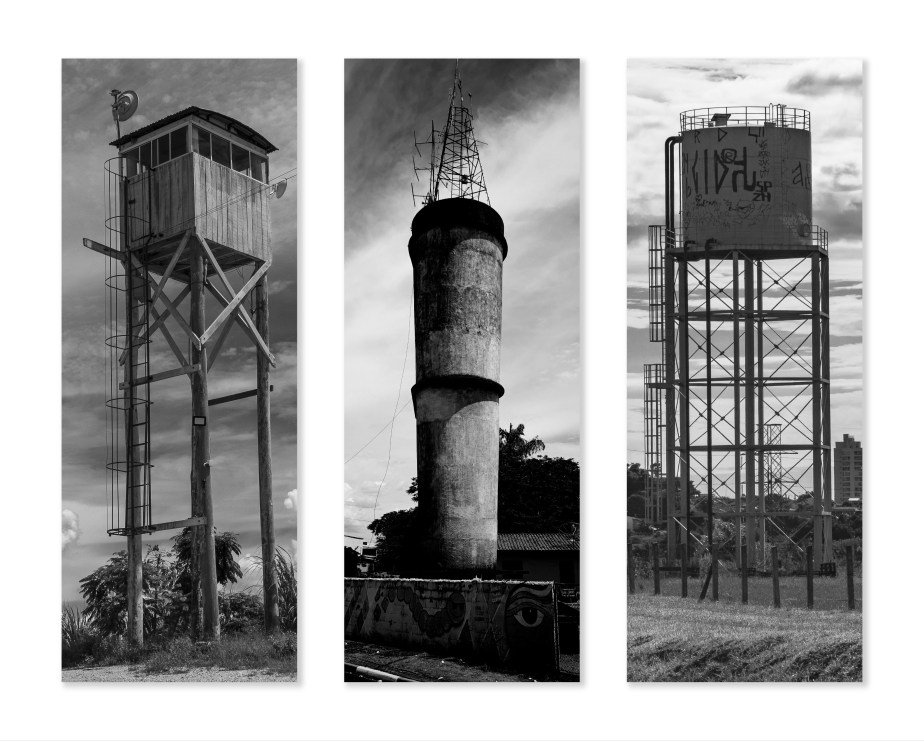
I have always been passionate about the things of architecture in general. Especially for industrial architecture. I have always taken one or another photograph within this line of thought.
It turns out that a short time ago, I came across for the first time the fantastic world of the German couple, the Bechers, Hilla and Bernd, who revived in me this passion for industrial structures.
The photos shown in this post do not, of course, have the intention of imitating or emulating the fabulous work of the Bechers, but it only reflects – I think – what their work instigates me to seek out, these structures.
As I was born and live in the interior of the state of Sรฃo Paulo and have roots in the countryside – and as I drive a few thousand kilometers a year on country roads – I have photographed some sugar and alcohol (ethanol) plants that have historically been part of these wonderful vernacular landscapes .
This series of photography that may one day become a project also includes water tanks in cities, and other structures from other types of industries that are usually found on the outskirts of these cities.
Itยดs important to say that the work I do in this series / project (only) bears some similarity to the great work of the German couple Becher, but in my case I do not seek to portray these small and REPEATING differences between these industrial structures. My records are more melancholy portraits of this industrial architecture, especially those of the sugar and alcohol plants that exist throughout the interior of the State of Sรฃo Paulo that I keep in my affective memory since my childhood and adolescence.
Arquitetura industrial
Sempre fui um apaixonado pelas coisas da arquitetura em geral. Em especial pela arquitetura industrial. Sempre fiz uma ou outra fotografia dentro desta linha de pensamento.
Ocorre que hรก pouco tempo, deparei-me pela primeira vez com o mundo fantรกstico do casal alemรฃo, os Bechers, Hilla e Bernd que reavivou em mim essa paixรฃo por estruturas industriais. As fotos mostradas neste post nรฃo tem, evidentemente, a intenรงรฃo de imitar ou emular o fabuloso trabalho dos Bechers, mas apenas reflete – eu acho – o que o trabalho deles me instiga a buscar, por aรญ, essas estruturas.
Como nasci e vivo no interior do estado de Sรฃo Paulo e tenho raรญzes do campo – e como dirijo alguns milhares de quilรดmetros por ano por estradas do interior – tenho fotografado algumas usinas de aรงรบcar e รกlcool (etanol) que historicamente faz parte dessas maravilhosas paisagens vernaculares.
Essa sรฉrie de fotografia que talvez um dia se transforme em um projeto inclui tambรฉm caixas dยดรกgua das cidades, e outras estruturas de outros tipos de indรบstrias que geralmente se encontra nas periferias dessas cidades.
ร importante dizer que o trabalho que faรงo nesta sรฉrie/projeto guarda (apenas) alguma similaridade com o grande trabalho do casal alemรฃo Becher, mas no meu caso nรฃo busco retratar essas pequenas e REPETITIVAS diferenรงas existentes entre essas estruturas industriais. Os meu registros sรฃo mais retratos melancรณlicos dessa arquitetura industrial, especialmente as das usinas de aรงรบcar e รกlcool que existem por todo o interior do Estado de Sรฃo Paulo que guardo na memรณria afetiva desde meus tempos de crianรงa e adolescรชncia.
[to find out what the path is like, if there are many stones that make it difficult for you to walk, if there are crossroads or junctions, you must cover it all the way; one can stop, rest and even momentarily take a branch; but if one wants to know the path initially taken, it is necessary to return to it and travel it along its entire length; only then will the path be revealed; and so it will be able to present you with pleasant surprises; dream your dreams and not someone else’s; never give up on your dreams; they are the paths that must be taken in life]
Inspirado num artigo escrito por Geoff Dyer chamado โforma: palavra + fotografiaโ e publicado pela revista Zum em maio de 2014 encontrei ressonรขncia para um aspecto de grande relevรขncia para mim na fotografia que รฉ โcasamento da palavra com a fotografiaโ ou da โfotografia com a palavraโ. Para mim muitas vezes hรก, aรญ, um intercรขmbio de papรฉis, i.e., de quem nasceu primeiro, como a histรณria: โo ovo ou a galinha?โ: โa palavra ou a fotografia?โ. Dyer cita alguns livros que historicamente encaixam-se nesta categoria e apรณs ler seu artigo fiquei tentado em comprar um deles e acabei comprando o โLooking at photographsโ onde John Szarkowski โcasaโ 100 fotografias do acervo do Museu de Arte Moderna de Nova York (as mais icรดnicas em sua perspectiva no ano de 1973, รฉ lรณgico) com โpalavrasโ sobre tais fotos. Apesar de ter nas mรฃos o livro menos de 24 horas, jรก pude perceber verdadeiras joias โ tanto โjoias-palavrasโ como โjoias-fotografiasโ – que hรก no mesmo. Uma dessas preciosidades รฉ uma foto de William Klein feita em Moscow em 1959 que o livro do Szarkowski nรฃo dรก o nome (que mancada Szarkowski!), mas eu sei que รฉ โbikiniโ porque รฉ capa de um Photofile (Thames & Hudson, 2017) do Klein que tenho em minha pequena biblioteca. โBikiniโ foge โ no meu modesto conhecimento e entendimento da obra de Klein โ da โregraโ das (quase totalidade) fotografias desse autor que prima por โmeterโ dentro do retรขngulo grande diversidade de elementos de composiรงรฃo. โBikiniโ tem 6 camadas ou planos lindamente definidosโฆ.e, muitos mistรฉriosโฆtensรตesโฆe, poesia. Pois รฉ: entre as vรกrias coisas que o Szarkowski fala dessa fotografia leio algo que quero compartilhar:
โIt was recognized long ago that so-called good photographic technique did not invariably make the best picture. Sometimes the gritty, graphic simplicity of the badly made photograph had about it an expressive authority that seemed to fit the subject better than the smooth, plastic description of the classical fine printโ.
Mandou bem Szarkowskiโฆ
Word-photography pairing Inspired by an article written by Geoff Dyer called ‘form: word + photography’ and published by Zum magazine in May 2014, I found resonance for an aspect of great relevance for me in photography that is ‘marriage of the word with the photograph’ or ‘photography’ with the word’. For me, there is often an exchange of roles, i.e., who was born first, like the story: โthe egg or the chicken?โ: โThe word or the photo?โ.
Dyer cites some books that historically fall into this category and after reading his article I was tempted to buy one and ended up buying the ‘Looking at photographs’ where John Szarkowski ‘houses’ 100 photographs from the collection of the Museum of Modern Art in New York ( the most iconic in his perspective in 1973, of course) with ‘words’ about such photos. Despite having the book in my hands for less than 24 hours, I was able to perceive real jewels – both โjewels-wordsโ and โjewels-photographsโ – that are in it.
One of these gems is a photo by William Klein made in Moscow in 1959 that Szarkowski’s book does not give the name (what a mistake Szarkowski!), But I know it’s a bikini because it’s the cover of a Photofile (Thames & Hudson, 2017) from Klein that I have in my small library. โBikiniโ escapes – in my modest knowledge and understanding of Klein’s work – from the โruleโ of (almost all) photographs by this author who excels in โmeterโ within the rectangle, a great diversity of elements of composition. โBikiniโ has 6 layers or beautifully defined plans โฆ. and, many mysteries โฆ tensions โฆ and, poetry.
Well, among the many things that Szarkowski talks about in this photograph, I read something I want to share:
โIt was recognized long ago that so-called good photographic technique did not invariably make the best picture. Sometimes the gritty, graphic simplicity of the badly made photograph had about it an expressive authority that seemed to fit the subject better than the smooth, plastic description of the classical fine print โ.
Looking carefully and attentively at these two portraits, I see a small passage in my head containing great words by James Agee when he says to whom his (great) book โLet us now praise famous menโ (*) (Cia das Letras. Translation by Caetano W. 2009. James Agee and legendary photos of Walker Evans) had been written:
โฆ “In any case, this is a book about ‘sharecroppers’, and it is written for all those who have a weakness in their hearts for the laughter and tears inherent in poverty seen from afar, and especially for โฆ”enjoy a little better and more guilty the next good meal you have โ(page 31).
My message here is simply this: many of us do not realize the hard daily work of a rural worker in the production of food that reaches the tables of our families in Brazil and even many around the world. This is also true for the production of commodities that are mostly exported.
About the photos: potato harvest in Casa Branca (SP), Brazil. 2019.
(*) book (journalist, poet and writer James Rufus Agee) and photographs (photographer Walker Evans) generated in the period of June-August 1936 when both worked on the production of a report (which in fact NEVER came to be published in the press) in Alabana state, USA, in order to portray the effects of the devastating period of the Great Depression. They even lived with three ‘meeiros’ families, establishing a very close relationship with several people.
Both the book and the photographs translate well this degree of involvement given the emotion and the level of detail with which Agee describes people, houses, their rooms and belongings. Evans’ photographs corroborate everything Agee writes, and even add even more emotion.
In short: โEvans’ photographs are, for me, the natural visual lexicon of Agee’s delightful descriptions. Sensations, the spirit of places and objects spontaneously spill out of Evans’ images โ.
Nada resiste ao tempo. As paredes e o teto de uma casa que outrora serviram de abrigo e de lar a uma famรญlia que ali viveu nรฃo tรชm mais nada para proteger. Apenas restou o vazio; a solidรฃo; o isolamento; o abandono. Estรก โ a pobre casinha โ perdida no espaรงo e no tempo.
Lost in space and time. Lonely and abandoned house by the side of the road between Usina Ipiranga and Descalvado (SP-Brazil). September 19, 2020.
Instantaneamente ao vรช-la, veio-me a ideia de indagar-me: quem teriam sido seus moradores? O que teria sido feito deles? Aonde estarรฃo, hoje, as pessoas que lhe emprestavam vida? Aonde e com que idade estarรฃo as crianรงas que provavelmente esta casa viu nascer e crescer? Nรฃo tenho dรบvidas que deverรฃo sentir saudades desta casa, de seus sonhos ali sonhados e de planos feitos para o futuro. Nรฃo tenho respostas ร estas perguntas, mas isto nรฃo impede que eu conjeture sobre tudo isto que pode ter ocorrido no passado, dentro dessas quatro paredes e abaixo deste teto.
Hoje ela representa apenas um vulto na paisagem entrรณpica de um campo de cultura de cana de aรงรบcar, tรฃo tรญpica do interior do estado de Sรฃo Paulo, onde nasci, cresci e onde vivo. Nos meus tempos de menino a palavra e o significado de agro negรณcio creio que nรฃo havia sido criada neste paรญs, agro negรณcios estes que poderiam e deveriam ser bem mais sustentรกveis do que sรฃo.
Esta casa, hoje, personifica o significado prรกtico da natureza transitรณria de nossas vidas, de nosso mundo e de como as coisas mudam, inevitavelmente, com o passar do tempo. Ela รฉ, hoje, um elemento da paisagem que nรฃo passa de um testemunho da resiliรชncia no sentido figurado e mais doรญdo: sua capacidade de se recuperar ou se adaptar ร mรก sorte ou ร s mudanรงas. Um testemunho da passagem do tempo, da entropia da oxidaรงรฃo e deterioraรงรฃo dos materiais que fora um dia construรญda. Insiste em ficar em pรฉ. Estรก ali, imรณvel, diante de mim.
A imagem desta casa, captada pela lente de minha cรขmera fotogrรกfica, mostra mais do que o prรณprio objeto que a casa ainda รฉ em si: captou o tempo de vida do objeto e o tempo vivido e as memรณrias das pessoas que nela um dia habitaram. A sua imagem captada parece mostrar nรฃo somente como ela รฉ hoje, agora, como um objeto inanimado, naquela รญnfima fraรงรฃo de tempo da fotografia que faรงo, mas como um dia foi, no passado.
Lost in space and time.
Nothing resists time. The walls and roof of a house that once served as a shelter and home to a family who lived there have nothing else to protect. Only emptiness remained; the loneliness; isolation; abandonment. It is – the poor little house – lost in space and time.
Instantly when I saw it, the idea came to me to ask myself: who would its inhabitants have been? What would have become of them? Where are the people who lent you life today? Where and at what age will the children that this house probably saw born and grow up be? I have no doubt that you should miss this house, your dreams dreamed there and plans made for the future. I have no answers to these questions, but this does not prevent me from guessing about all that may have happened in the past, within these four walls and under this ceiling.
Today it represents only a figure in the entropic landscape of a sugarcane culture field, so typical of the interior of the state of Sรฃo Paulo, where I was born, grew up and where I live. In my boyhood the word and the meaning of agro business I believe that it was not created in this country, agro businesses that could and should be much more sustainable than they are.
This house today embodies the practical significance of the transient nature of our lives, of our world and of how things inevitably change over time. Today, it is an element of the landscape that is nothing more than a testimony of resilience in the figurative and most hurtful sense: its ability to recover or adapt to bad luck or changes. A testament to the passage of time, the entropy of oxidation and deterioration of materials that had once been built. Insists on standing. It is there, motionless, in front of me.
The image of this house, captured by the lens of my camera, shows more than the object itself that the house is still in itself: it captured the lifetime of the object and the time lived and the memories of the people who once lived in it. Its captured image seems to show not only what it is today, now, as a material and an inanimate object, in that tiny fraction of the time I photograph, but how it once was, in the past.