On-The-Road Photography

When I think about it, I am much more an “on-the-road” photographer than anything else I or any other name you all can give … and, I am satisfied, sincerely, with this title that I gave myself without any pomp or festivities of solemn acts that exist in life. I’m happy to try to be happy through photography, but it’s not easy to be happy … As only happy moments exist in life instead of the so-called happiness, I consider myself happy…Appearances, here, are not deceiving … They are real.
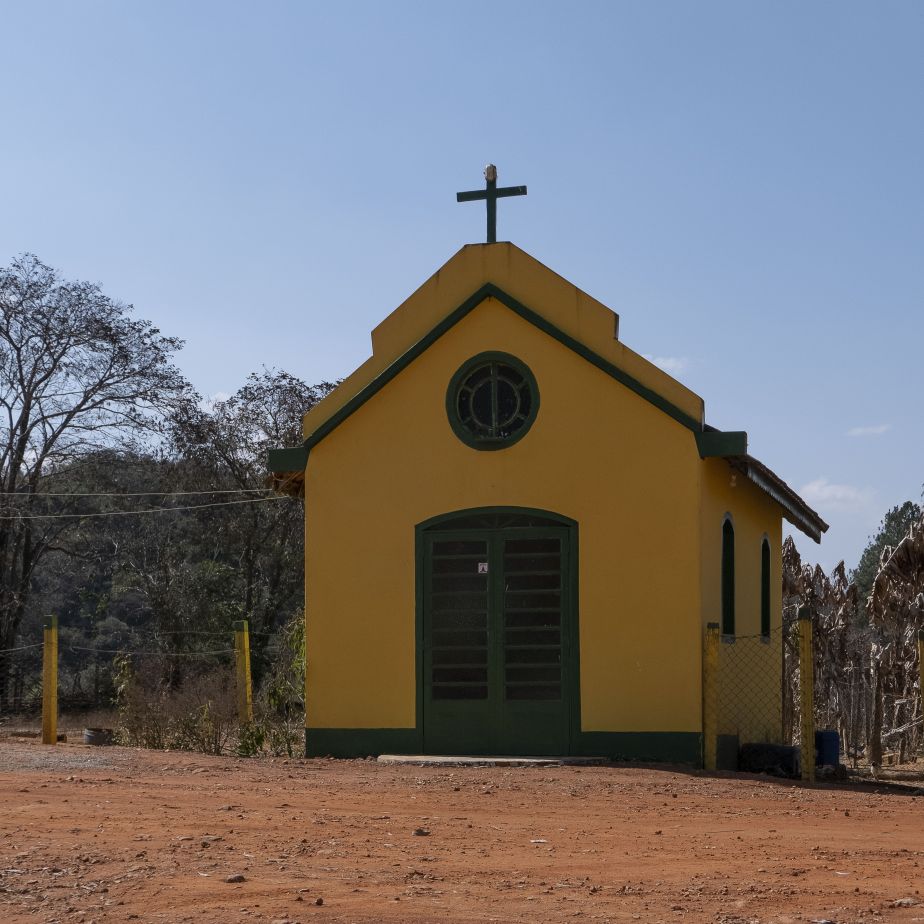
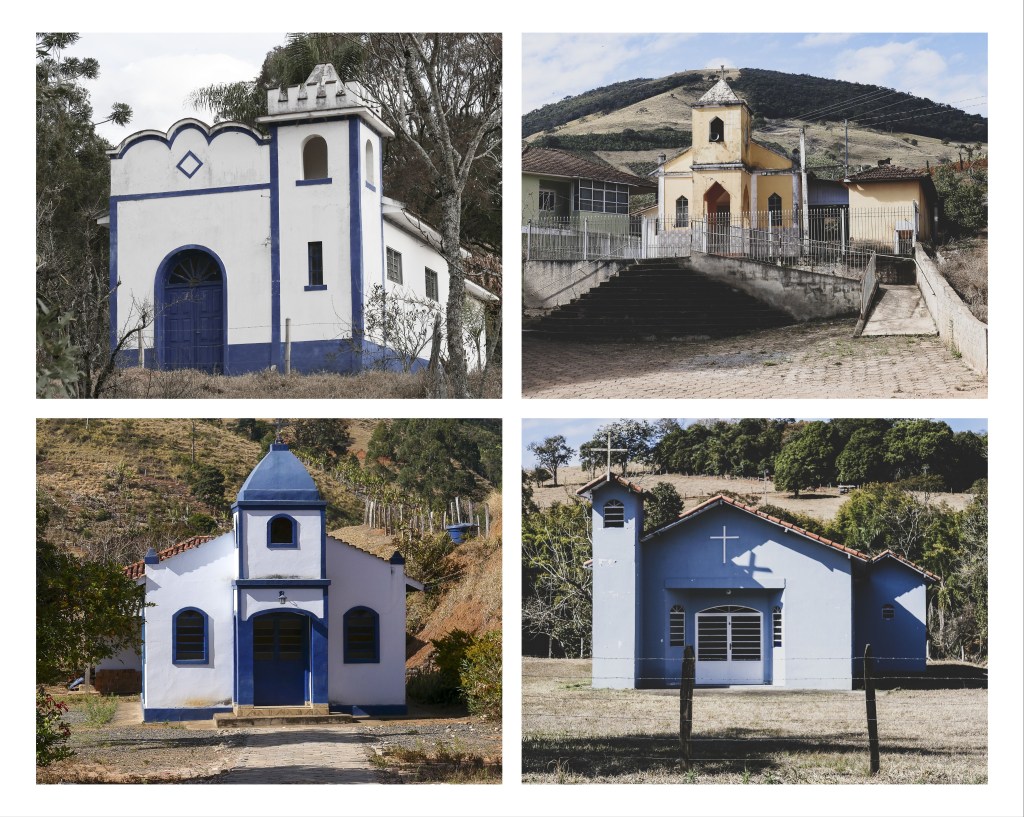
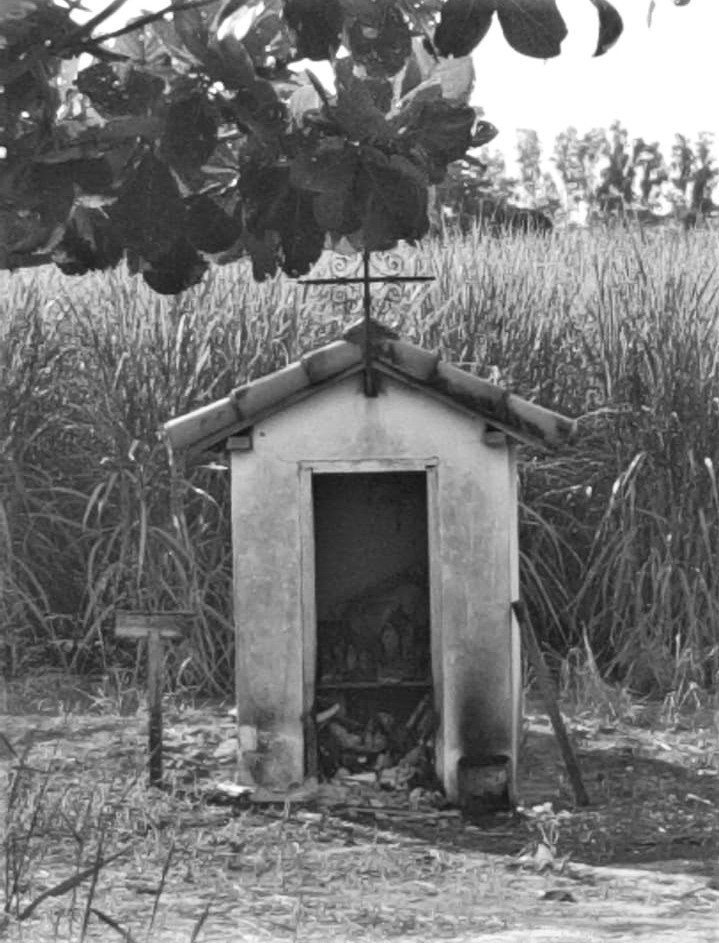
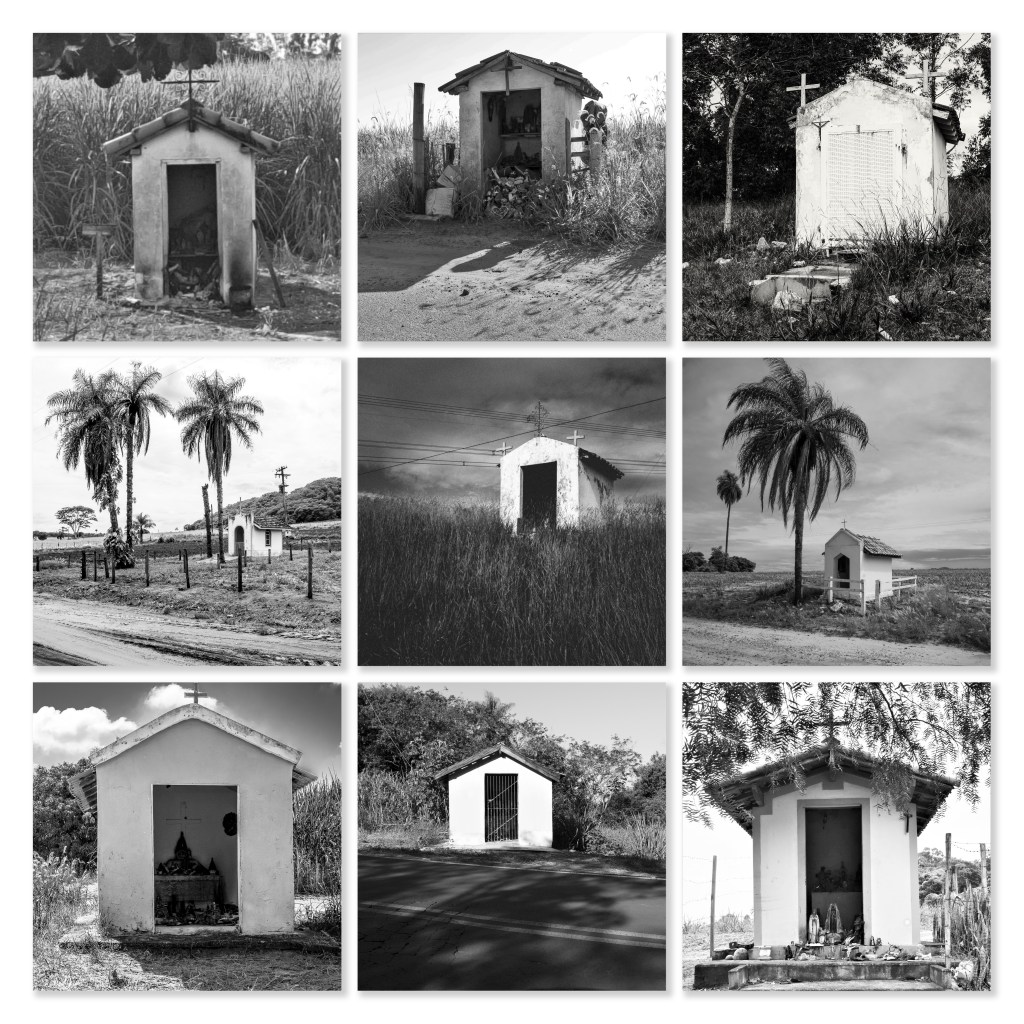
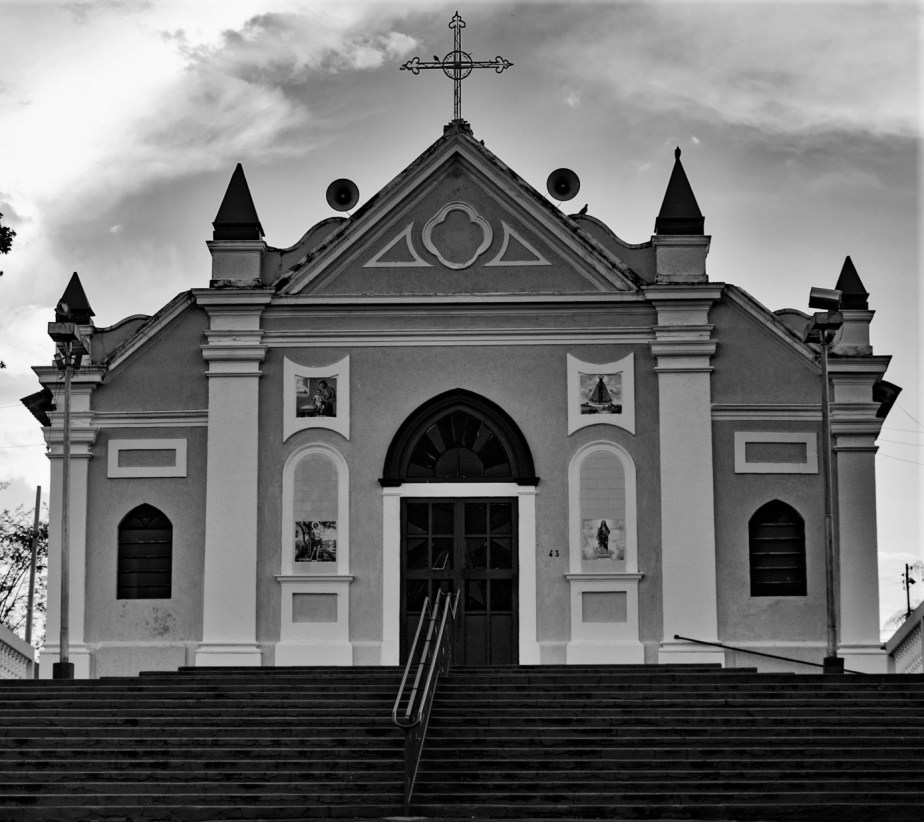
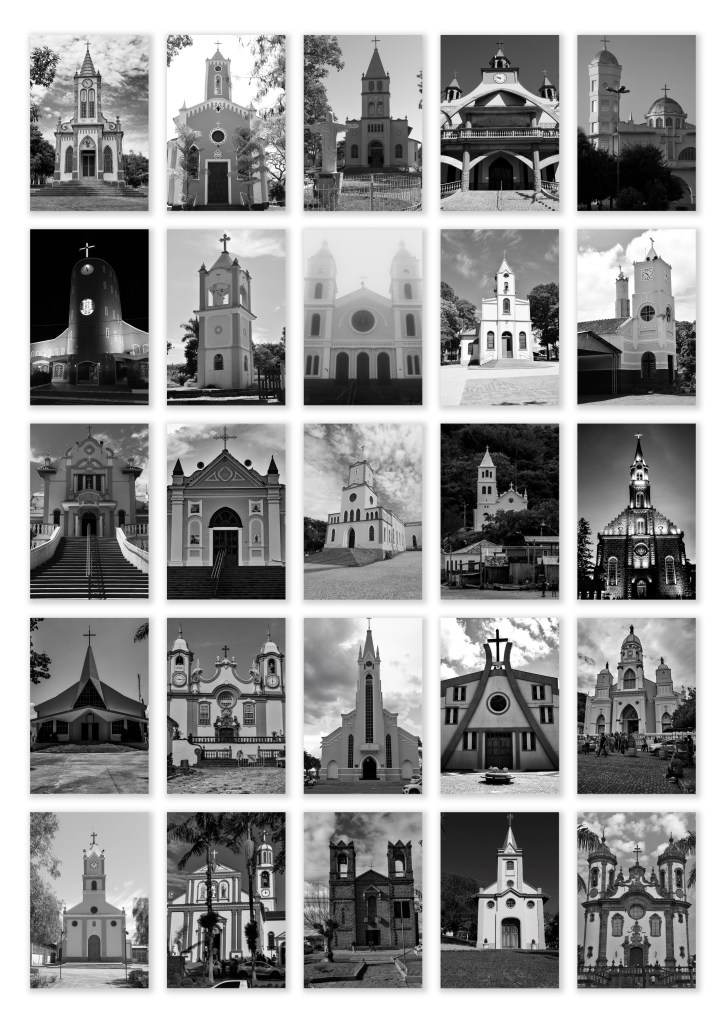
Four very small rural chapels beside the road.

Within my project of New Topographics of the Interior of Brazil I photograph in my trips very small rural chapels beside roads in very small towns where the roads usually pass alongside them or in the middle.


These polyptychs that I present are from chapels in the south of the state of Minas Gerais, southeastern Brazil, which is a region very prodigal in this type of historic architecture. Some of them are simply a delight.

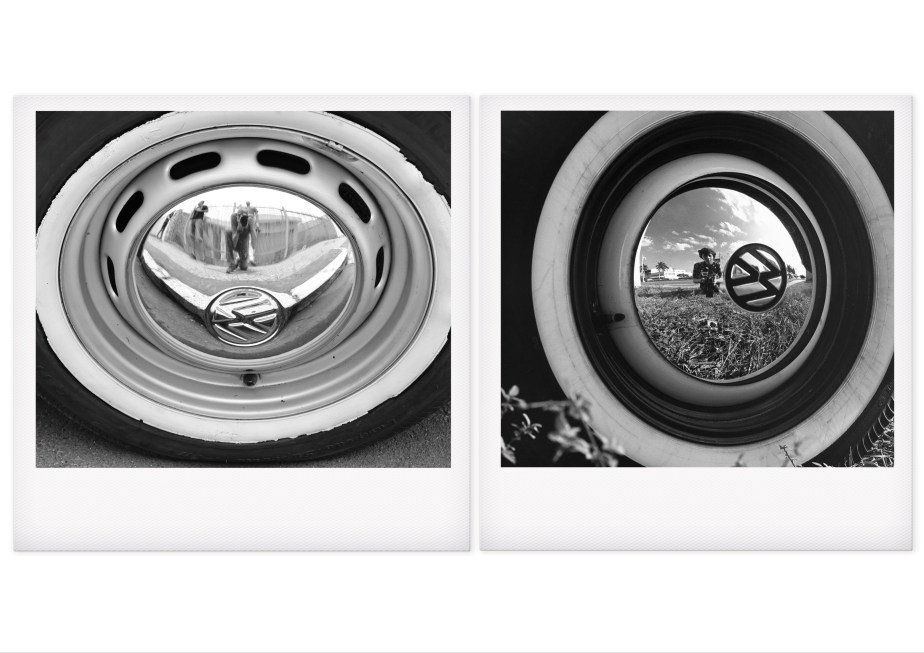
Can we mimic/emulate/imitate/copy (or just try to) great masters in photography? I guess so…

I’m (almost) absolutely sure you won’t believe it: I never seek to mimic/emulate (or using a uglier word in this case: imitate, copy) photographs of great masters (of all of us photographers, I believe), but this ghost (if it’s really a ghost he’s a good one) chases me….even though, premeditatedly (this is another thing I don’t think you’ll believe), I never go out to my photo shoots with that idea in my head. But, they keep happening through the years. Here I show SEVEN examples.

Continue reading “Can we mimic/emulate/imitate/copy (or just try to) great masters in photography? I guess so…”

{roadside_memorials}

These little chapels are a milestone in many countries and in the case of Brazil it is no different.

Here in Brazil I believe it is a tradition passed by Portuguese colonization.

Whenever I find them on my many trips, most of the time on back roads (I don’t like highways) I stop and photograph.

note: the featured image is of a niece, Esvânia Elisa Pilhalarme (Borborema, SP-Brazil)

[four_gasoline_stations]

[new topographies from the interior of the state of são paulo-brasil]

note1: I have photographed in small towns in the interior of the state of São Paulo, Brazil, deactivated, abandoned gas stations, some of them, in ruins, where one does not see a ‘living soul’ as I said, the other day, by a spirited one (in the look) friend. Perhaps you may see the spirit of the old owners, their good and faithful customers wandering around…..LOL…

note2: I like gas stations; I like the smell of gasoline. In small towns in Brazil, the connection between people and gas stations is something important which is, to me, something difficult to explain. Many of them, in these small towns, help to tell the story of these places.

“Photography is memory and is confused with it” (Boris Kossoy).

{like a tattoo}

{like a tattoo} – [I was born: I grew up: I raised children and grandchildren: I lived and live in a place where time is another time; another dimension; a time that is more peaceful, like the dairy cows that lie down motionless and sleepy in the pasture at night: they stay there, quietly and slowly ruminating all night; on nights of pitch-dark darkness it is only known that they are there through the feeling of their warmth, their smell; through the little noise their teeths make when they chew; nor do their usual mooing be heard; my feelings do not fit the description in words; I am not good with words; I like them but I don’t even know if they exist to describe it in a way that the other feels them as they really are; I am only good with the feeling of feelings; those who have already felt them, those who have already lived them have stuck them deep in their skin: like a stain: like a sticky sap of a jackfruit tree: like a tattoo: they leave with us when we go to another world]

Paths and crossings

In the middle of the path there was a stone

there was a stone in the middle of the path

had a stone

in the middle of the path there was a stone.

I will never forget this event

in the life of my retinas so tired.

I’ll never forget that in the middle of the road

had a stone

there was a stone in the middle of the path

in the middle of the path there was a stone.

[in the middle of the path – poem by carlos drummond de andrade]

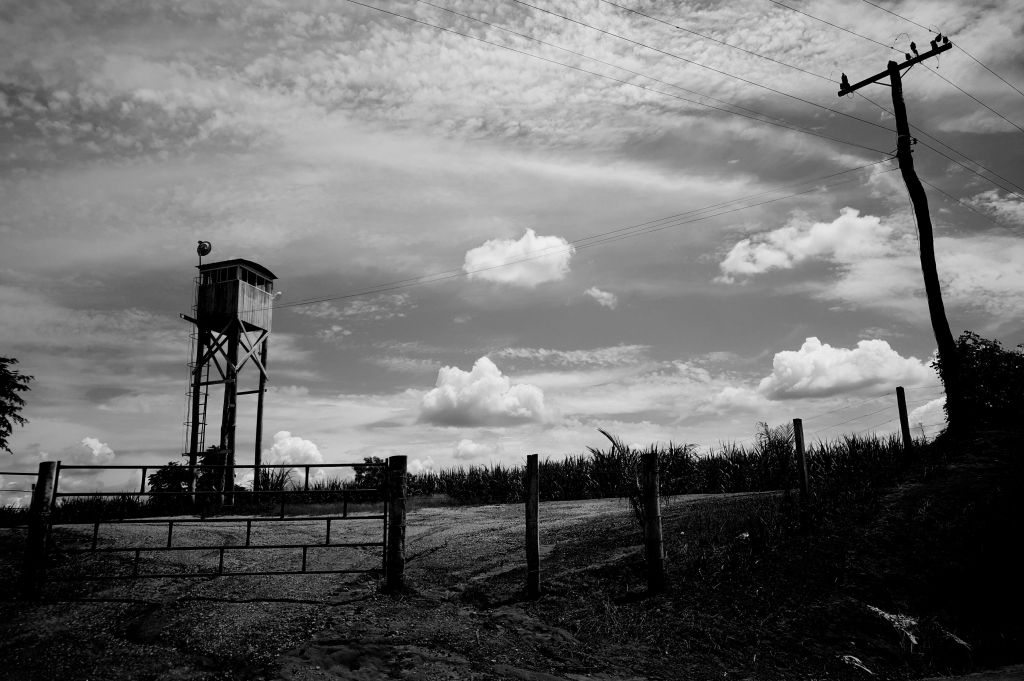
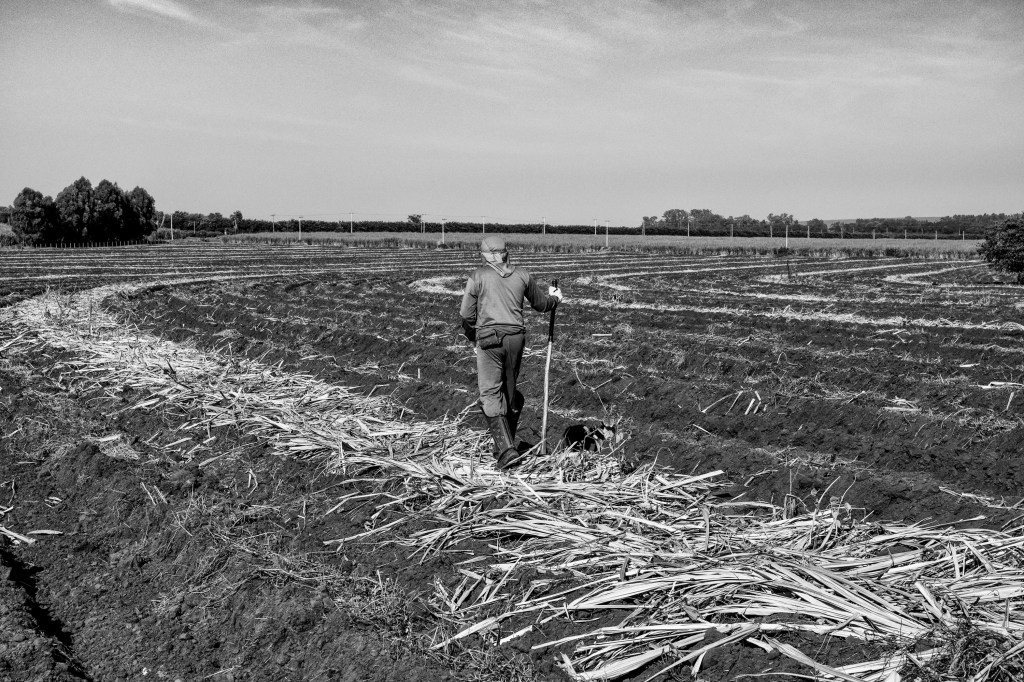
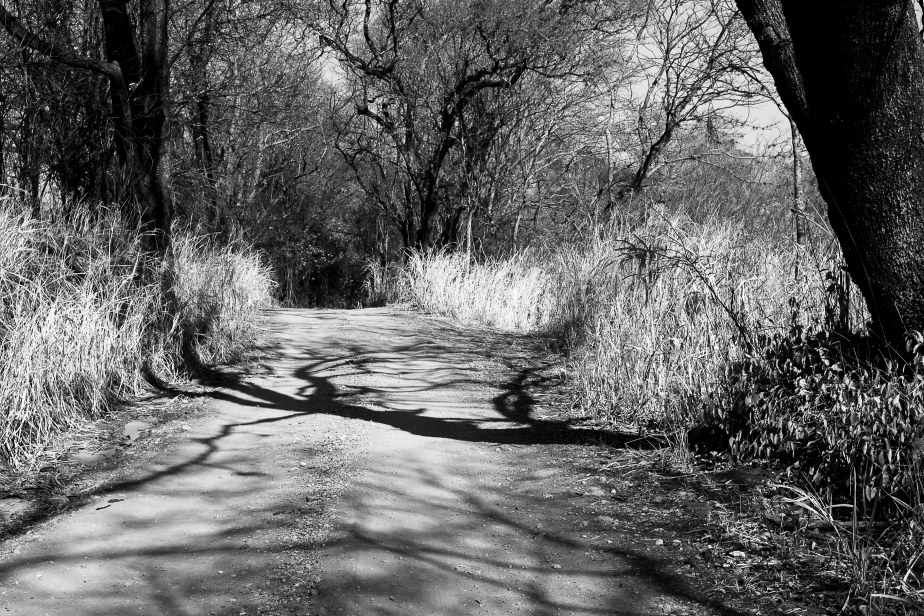
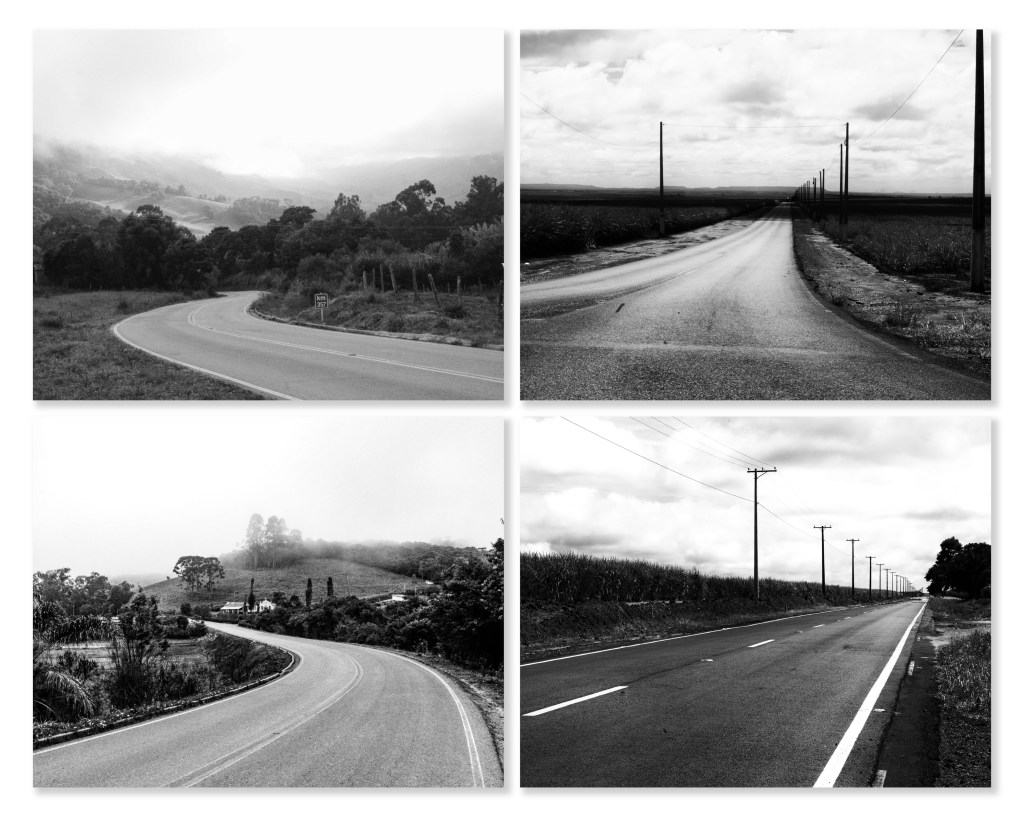
The different paths we take in life can bring us pleasant memories or make us remember how many stones we find in the middle of our lives. This beautiful poem by Carlos Drummond de Andrade has exactly this meaning that, alluding to my photo of a path in a sugar cane plantation in the interior of the state of São Paulo-Brazil, brings to mind the hard path that rural workers in their daily hard work travel every day. A path full of stones, not easy to be walked. Only the strong make these crossings.

THE MEMORY OF THE PATHWAYS AND THE PATHWAYS OF MEMORY.

The paths have many memories and the memory has many paths.
I think this is true because I have many good memories of the paths that I have gone through in my life and my memory goes through several paths. My memories of these places, people and objects that were part of my imagination, of my past follow different paths. These memories are dear to me for several reasons or ways.
As Boris Kossoy has already written (IN: Realities and fictions in the photographic plot. Editorial Studio. 4th edition. São Paulo. 2009 – in Portuguese): “photography is memory and is confused with it”.

Pandemic treatment: phototherapy

Phototherapy – I am not talking about any health treatment against any desease here. Those treatments that consist of the use of special lights widely used in newborns who are born with jaundice (yellowish tone on the skin), but which can also be useful to combat wrinkles and spots on the skin, in addition to diseases such as psoriasis, vitiligo eczema, for example. example. They use some type of special light, such as the LED that stimulates or inhibits cellular activity.

Continue reading “Pandemic treatment: phototherapy”