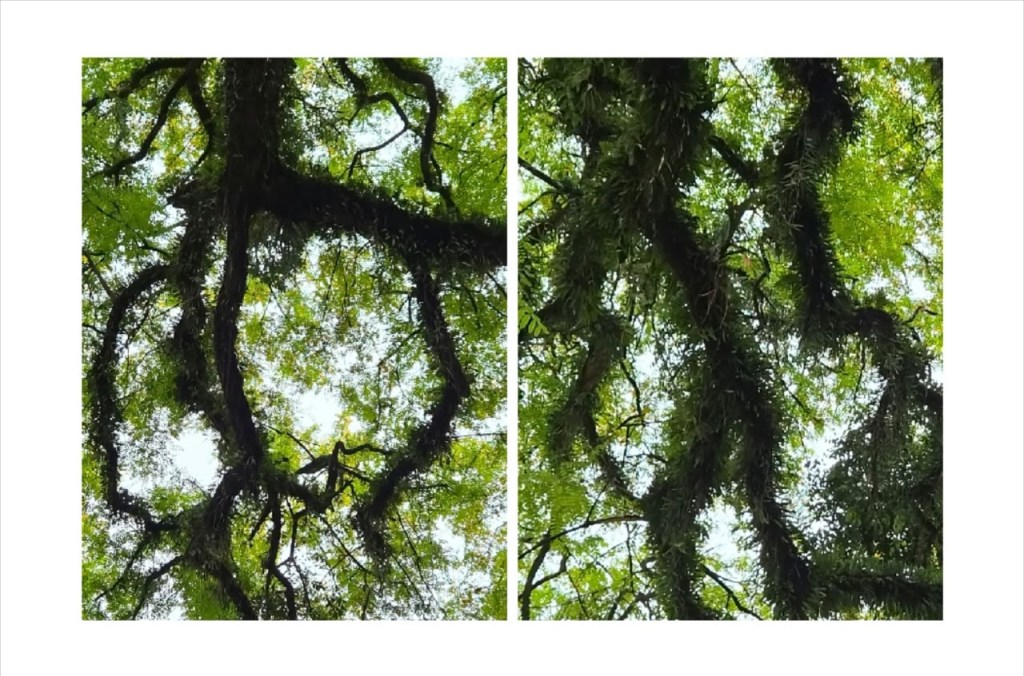
A feast for the eyes on days when one’s vision—at times—becomes a bit “clouded.”
Tipuana tipu (Benth.) Kuntze—known as tipuana or rosewood—forms magnificent trees in the central square of Poços de Caldas, MG, Brazil.
A feast for the eyes on days when one’s vision—at times—becomes a bit “clouded.”
Tipuana tipu (Benth.) Kuntze—known as tipuana or rosewood—forms magnificent trees in the central square of Poços de Caldas, MG, Brazil.
[poetry of architectural disillusionment]
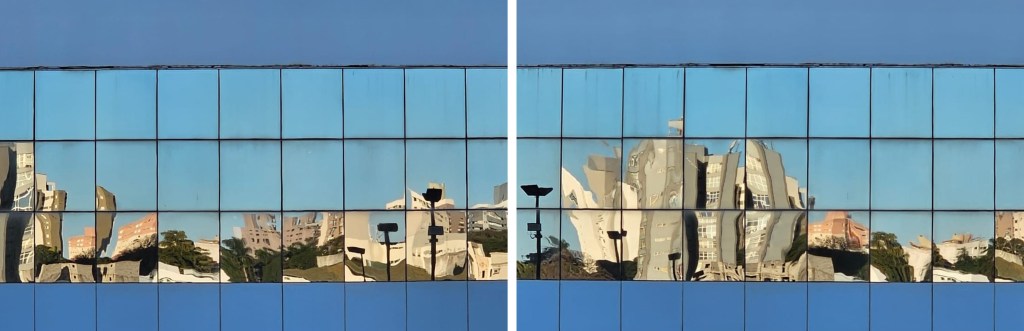
The city of Pirra (one of Calvino’s many incredible invisible cities), while merely imagined (and not yet visited by the traveler), inhabits a limbo; it is an incorporeal reflection.
In the dynamics of the city of Pirra, the glass grid represents the name “Pirra” or the mental blueprint: a clean, geometric, and predictable structure (the “towers and wide windows” Marco Polo imagined). The distorted reflections, meanwhile, represent the chaotic physical reality that dissolves the rigidity of our imagination. The real world “warps” the straight lines we create in our minds.
My Pirra exists only in a spectral state: it is there, yet intangible.
It exists solely as an image reflected on the glass surface, just as expectations exist only on the surface of our minds.
For my photography projects centered on memory, territory, and the reinterpretation of landscapes, the city of Leandra offers a particularly rich interpretive key: the photographs can reveal not only what is present in the landscape but also the invisible traces of past occupations and the possibilities of futures yet to unfold.
In this sense, Leandra is a city of superimposed memories and invisible presences that continue to inhabit these places, even when they can no longer be seen.

There was a city where people passed one another without ever stopping: they shared the same sidewalk, the same subway entrance, the same noises, and the same walls covered in graffiti.
Each face appeared for only an instant, like an interrupted sentence. Anyone watching that street corner for hours would believe they were seeing the same city; anyone returning days later would discover that none of the people were the same. The city existed precisely in that movement: an endless succession of encounters that never actually took place.
The invisible city lies not in the architecture or the graffiti, but in the fleeting flow of possible connections.
………………………………….
(inspiration: Italo Calvino’s Invisible Cities)
photos: polyptych featuring 8 street photos, NYC, 2017

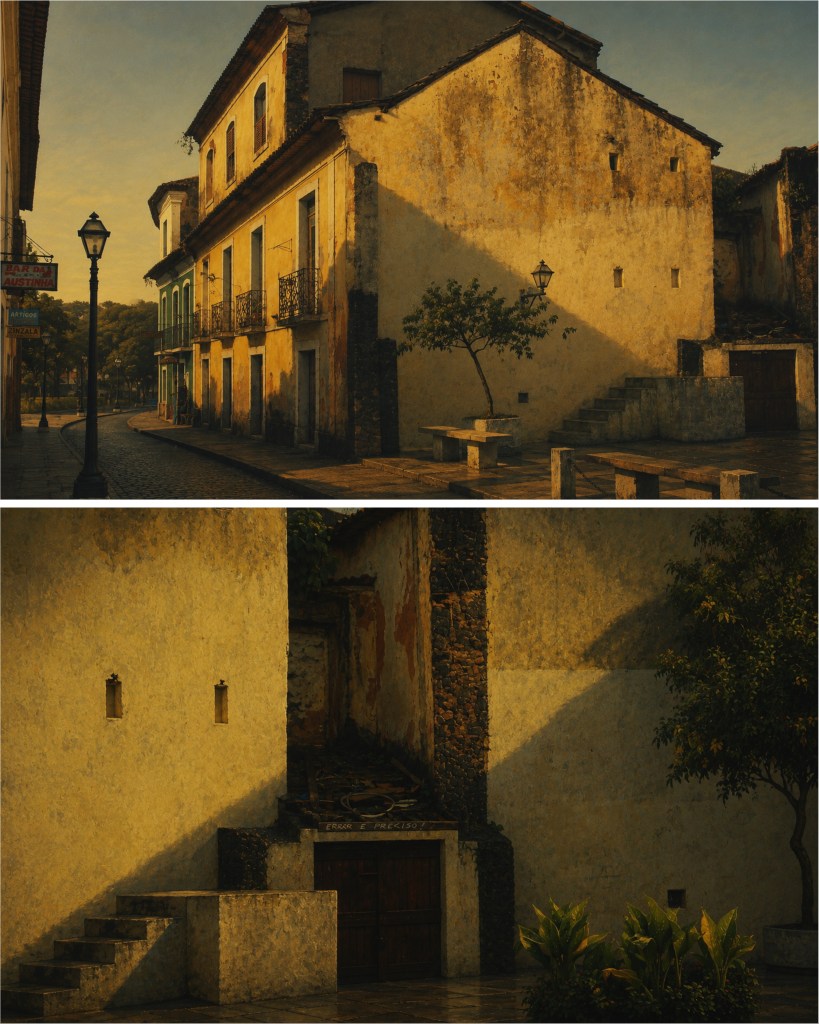
[São Luís do Maranhão, Brazil (2011) in the light of Edward Hopper (2026)]
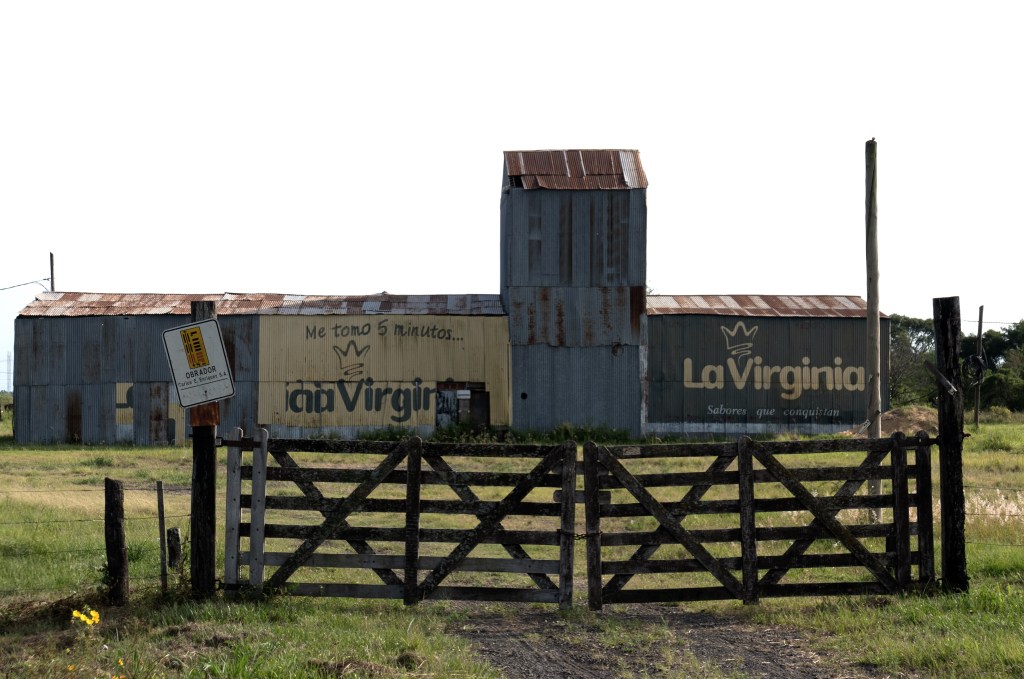
{signage} (roadside) R.N. 12, northeast Argentina
My Day by Edward Hopper (1882-1967) (USA; painter, graphic artist and illustrator).
……………………………………………
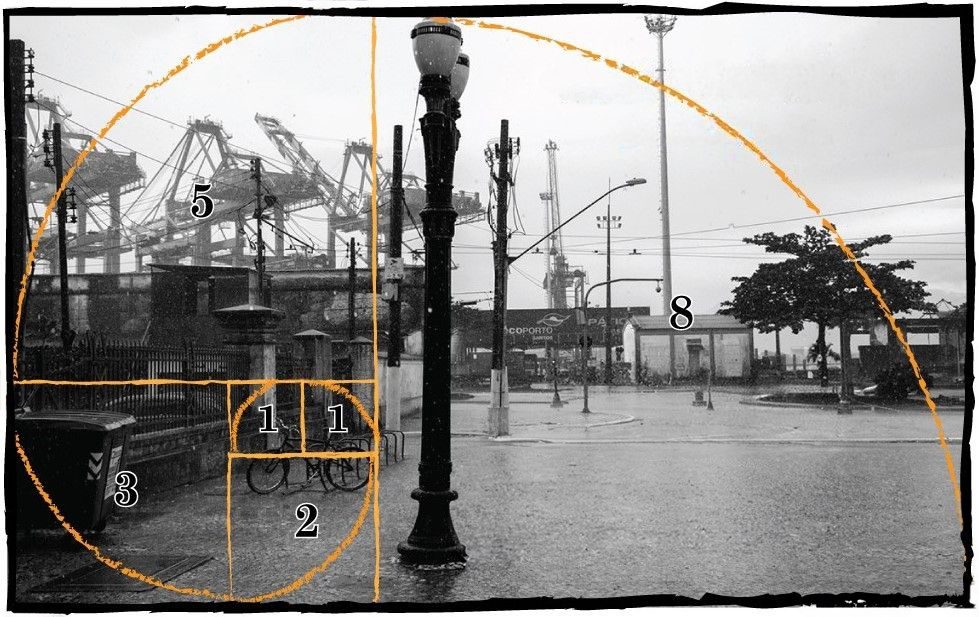
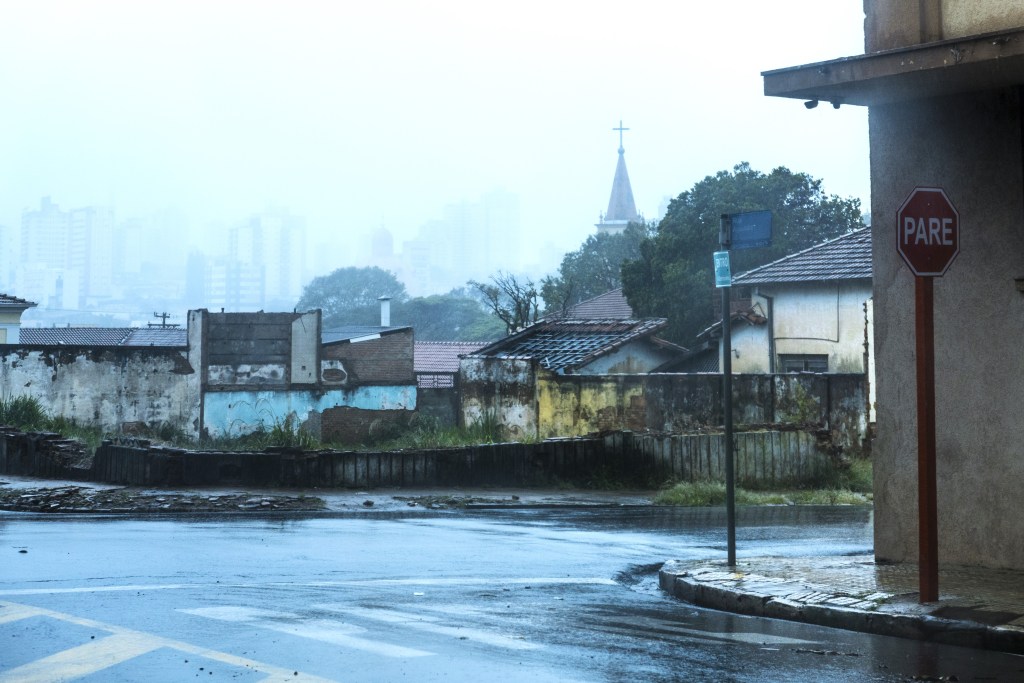
photo: São Carlos, SP Brazil from the windshield of my car in the rain. 2022.
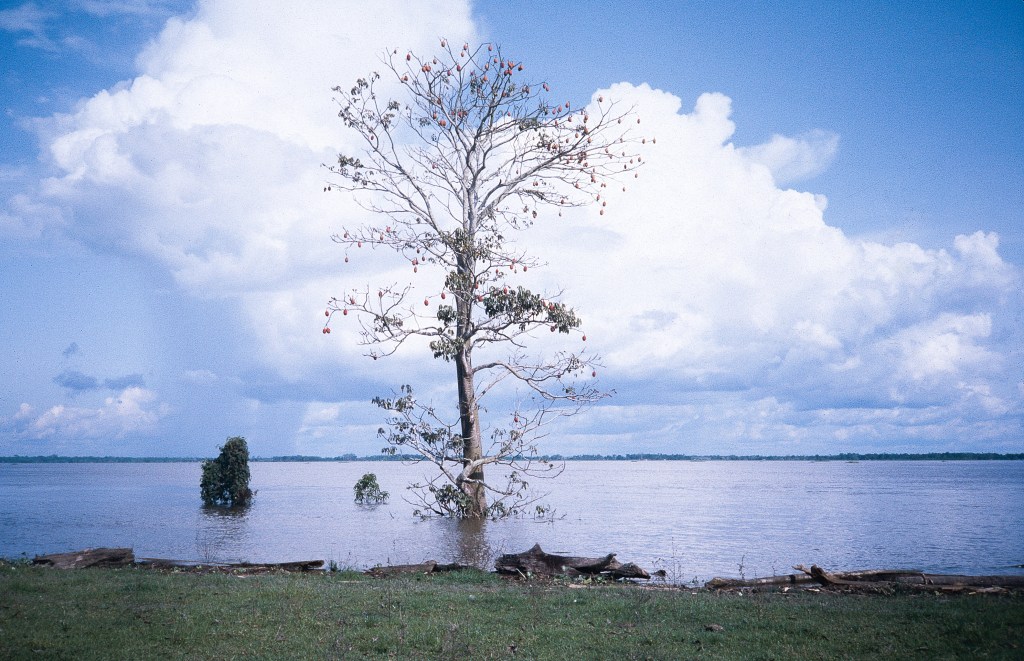
I had the good fortune and privilege of visiting various parts of the Brazilian Amazon Region for over 40 years as a professor and researcher in the environmental area (Environmental Chemistry and Biogeochemistry) at UFSCar (São Carlos SP campus).
I express my deep concern and sadness at the progressive destruction of the forest, lakes, rivers, paranás, and igapós that affects thousands of human beings who depend on them.
I wonder when we will have a solution to these almost countless problems, but I remain (sadly) skeptical of an EFFECTIVE SOLUTION in the short, medium, or long term.
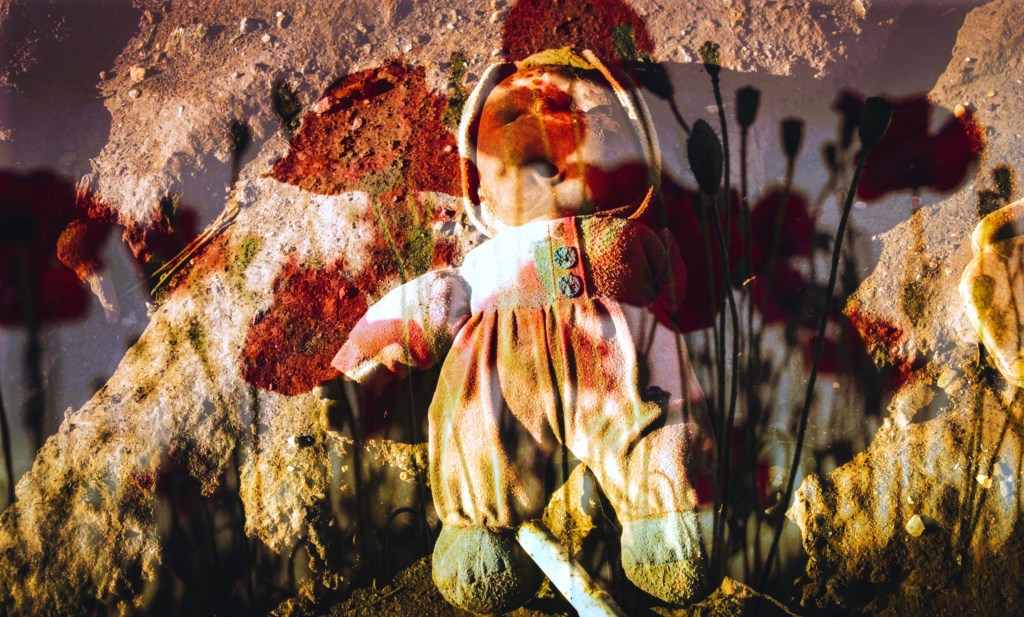
Think of the children of Palestine, living orphans
Born orphans, with no future and nothing
Others massacred by bloodthirsty drones and missiles,
Murdered without mercy
From hunger, thirst and bullets
Think of your decapitated limbs
Their broken hearts
Wounds like red poppies
Dried, faded in a dry vase, on a table in a corner of the house
Broken
On some corner that no longer exists
Broken
Don’t forget the red poppy
From the red poppy of Palestine
The same color as spilled blood
Never forget the dried, faded red poppy
Stained with blood
Abandoned
No petals, no red
With nothing
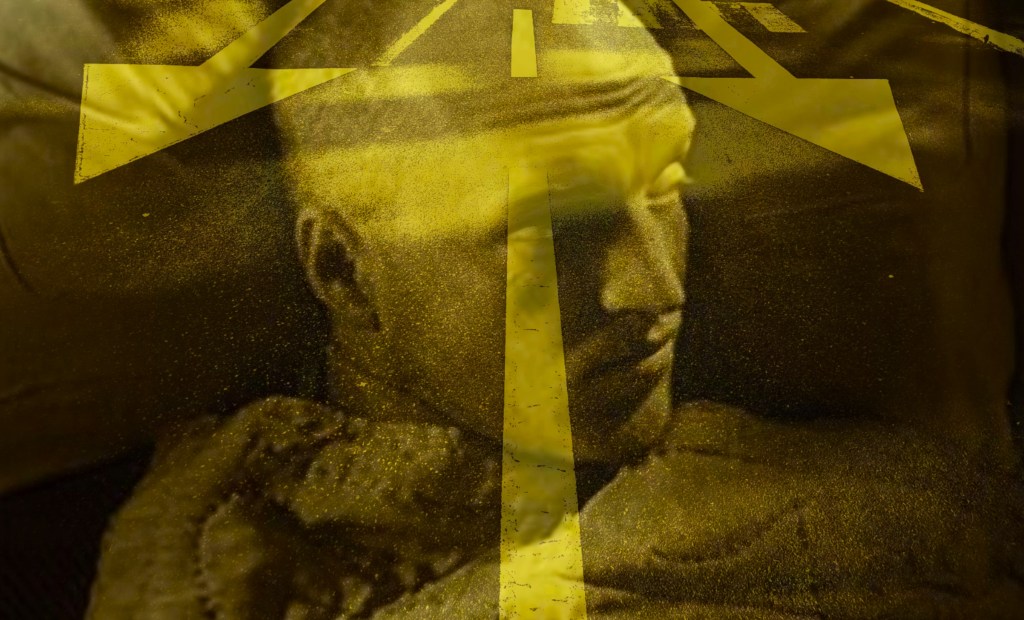
Reconstructing Michael Radford’s “Nineteen Eighty-Four” (1984) from George Orwell’s glorious book of the same name (1948).
The photomontages are of scenes from the film that I have just re-watched for the ‘n’th time and I photographed the TV screen that overlaps photos of me of Usina São Carlos (sugar and alcohol plant) (Jaboticabal SP Brazil) during the period when it was being demolished already 2-3 years ago.


