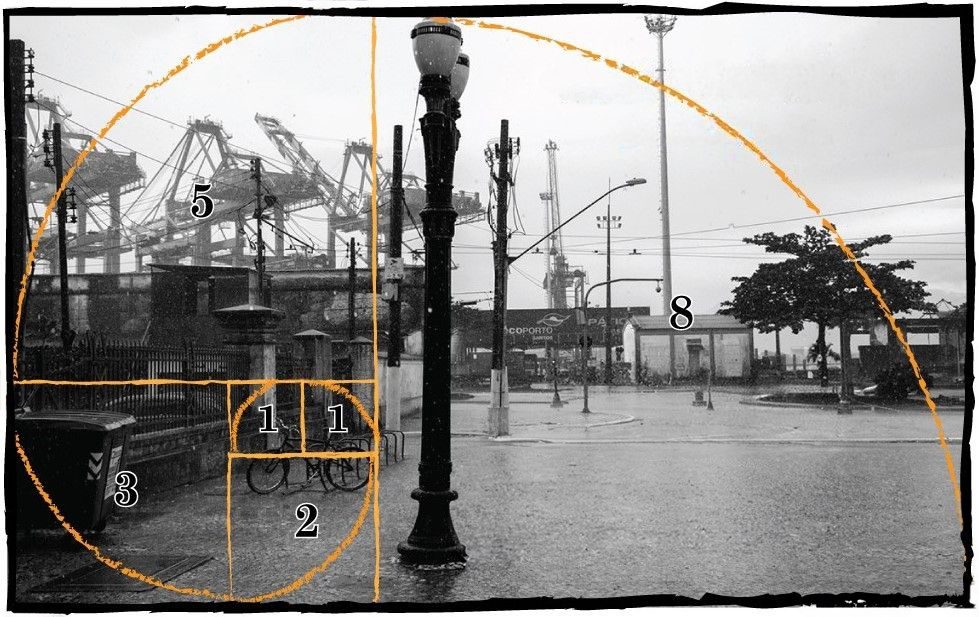
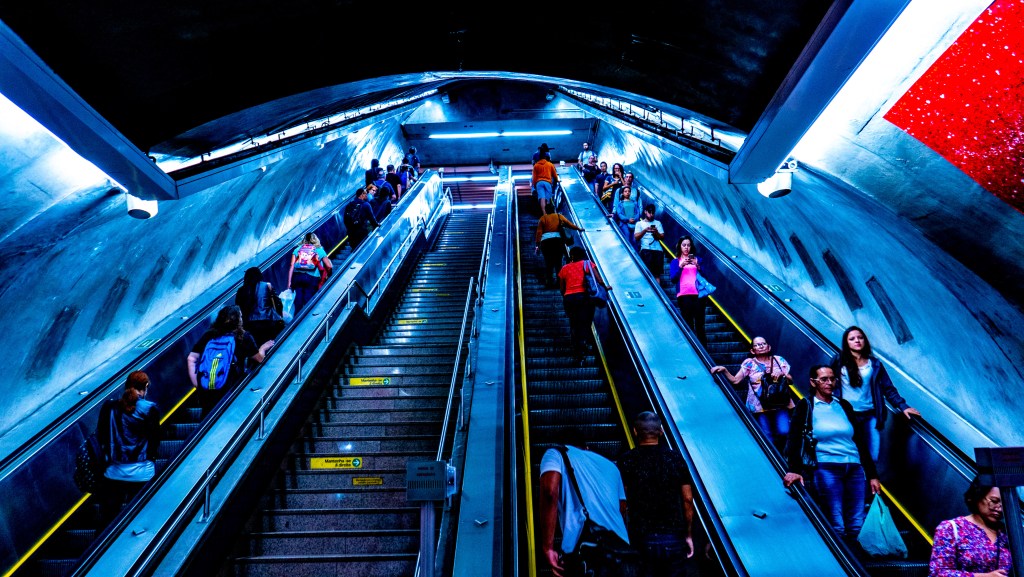
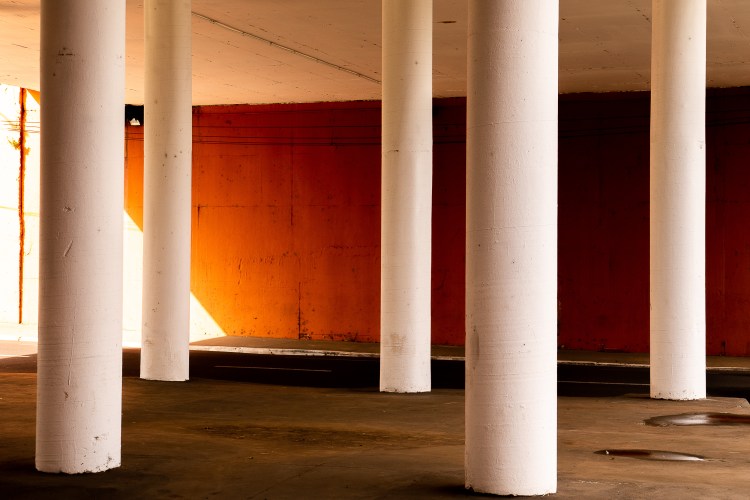
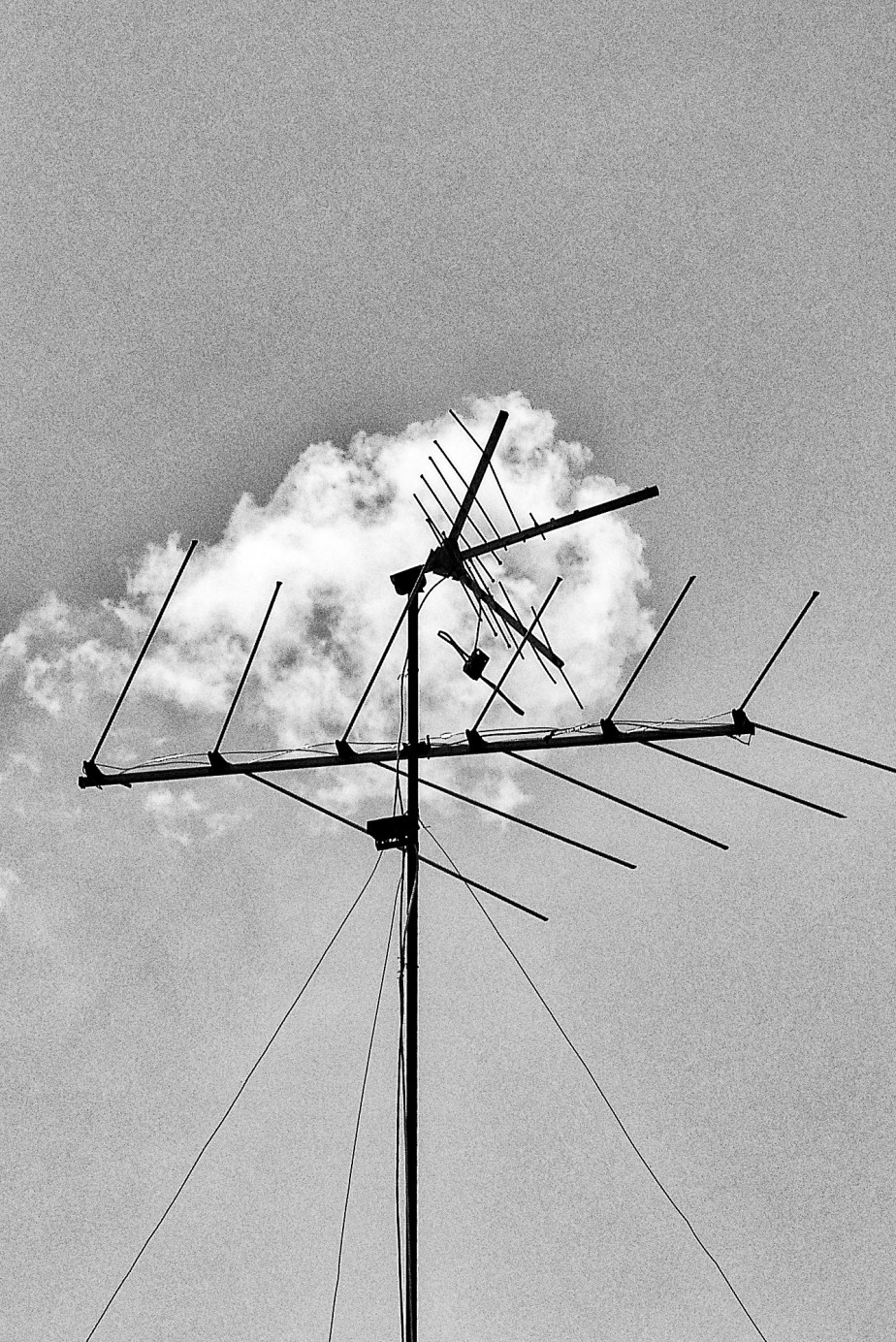
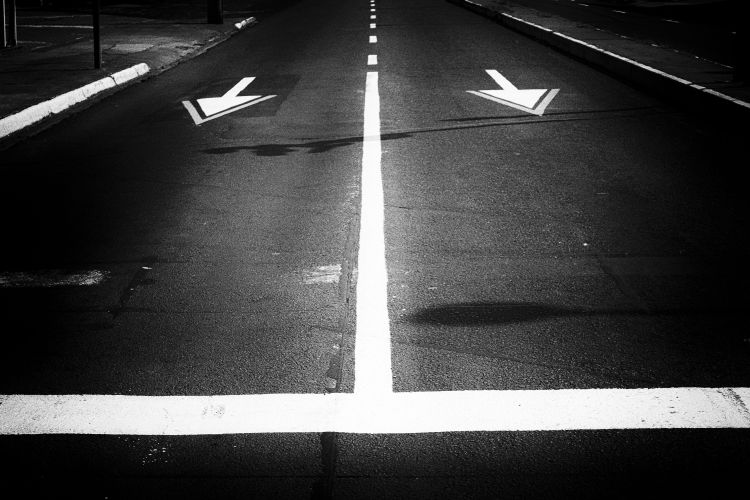
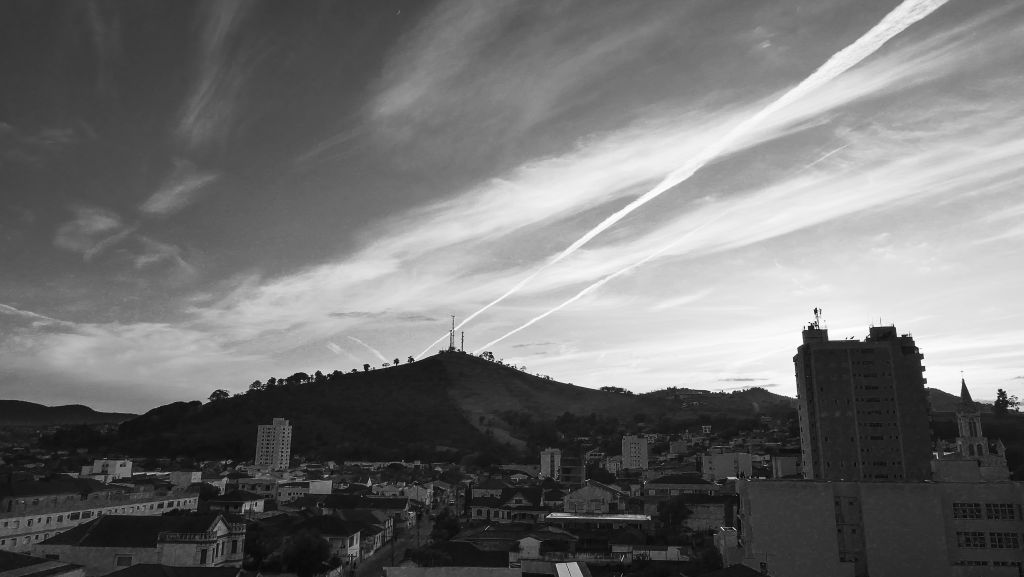
[paths…]: [I like the roads, the paths … maybe I have a wandering soul…of not having a time to leave, nor to arrive … I like the straights, but I don’t dislike the curves … is the fate of those who come and go… of those who will arrive and leave… of those who like to see unknown places, but are not afraid of the unknown … of those who like the rocks and dust of the roads … of those who like the dirt, gravel, asphalt … and the surroundings of the roads, where everything passes very slowly like a movie of my life … all this teaches me to see, to look, to feel … to live]
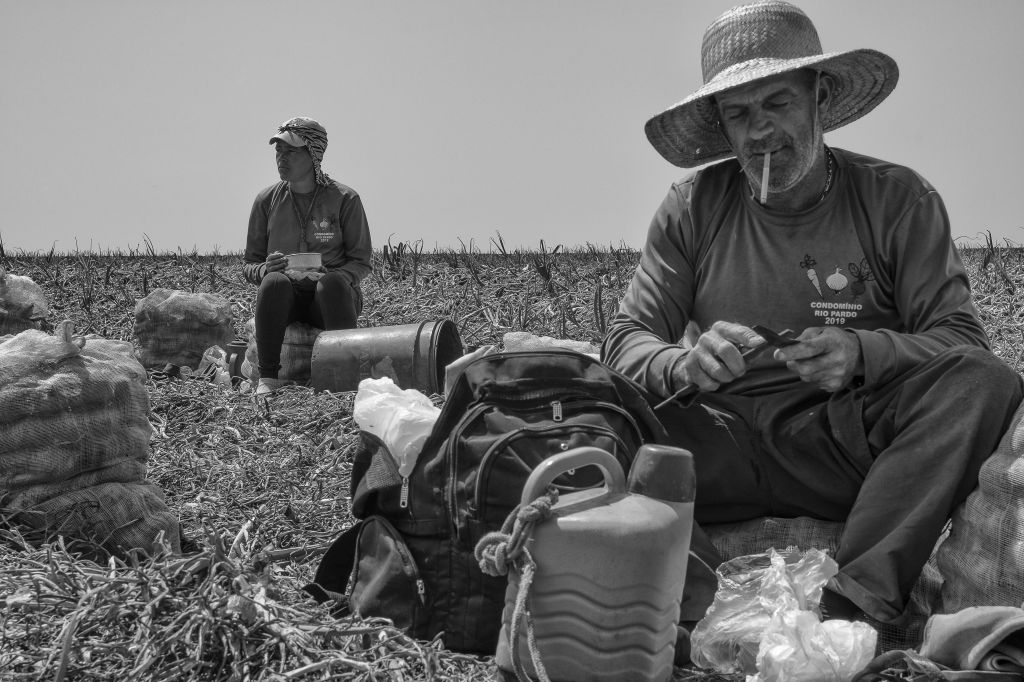
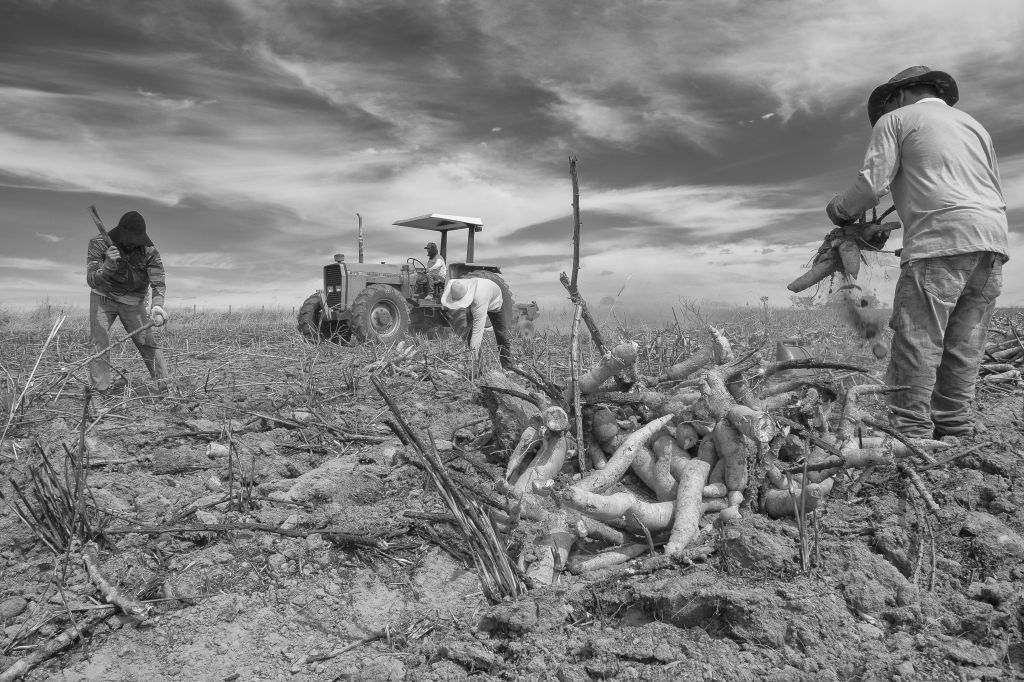
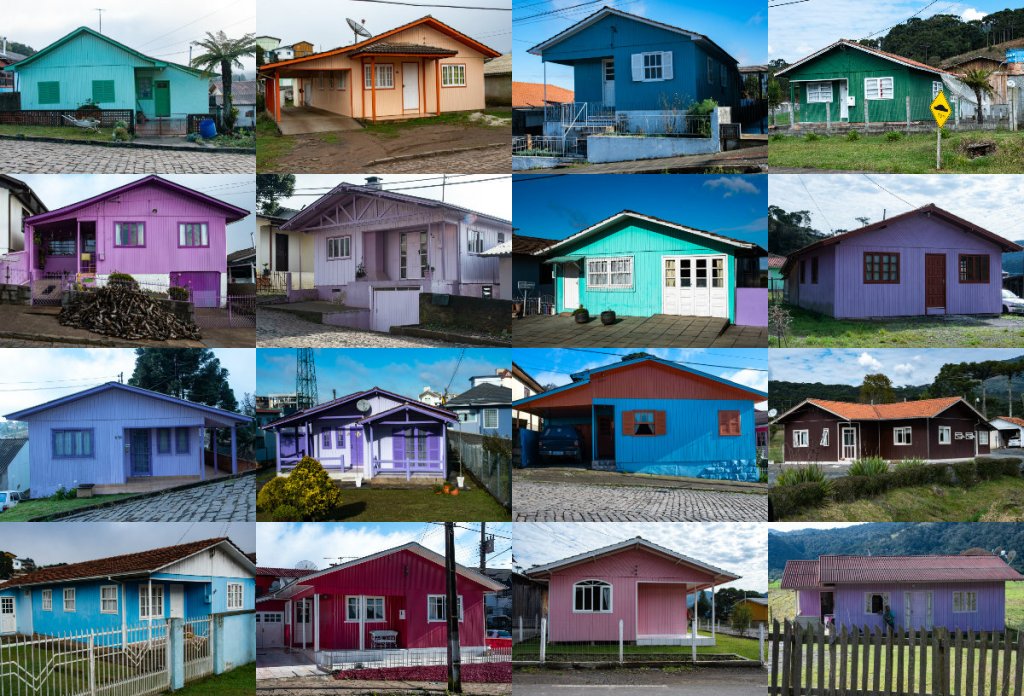
Sale of my photobook RURAIS in Curitiba, PR-Brazil: at PORTFÓLIO SCHOOL OF PHOTOGRAPHY – Rua Alberto Folloni, 634 A – Centro Cívico. Physically and, soon, through the Portfólio bookstore website.
Venda de meu livro de fotografias RURAIS em Curitiba, PR-Brasil: na ESCOLA PORTFÓLIO de FOTOGRAFIA – Rua Alberto Folloni, 634 A – Centro Cívico. Fisicamente e, em breve, pelo site da Livraria da Portfólio.
“A stoic approach – no matter how skilled you are at photography or art, whether you’re going to become famous or rich or renowned is beyond your control. What can you control? The commitment and ambition you put to increase your creative and artistic productions” (ERIC KIM)
This is a question often asked in photography. Not that it is widely voiced by different photographers, but it can definitely be said that it is in these people’s minds more often than you might think. I’m in this class of people.
I have not (yet) achieved in my lifetime a level of education in photography (or in the visual arts) to affirm principles in this art in a categorical way. I feel (still) far from it. But I’ve already reached some insights that allow me to speak/write some things with relatively reliable content, express my feelings, things like that.
I like to analyze/study works by those who are, in the photography art media, called ‘great masters’. One of them for me is USA photographer Judith Joy Ross (1946; Hazleton, Pennsylvania) who has a wonderful job (my insight) in photography and is at present with an exhibition (a retrospective of the last 40 years: 1978-2015 ) at Fundación MAPFRE in Madrid, Spain until January 29, 2022 (https://www.revistalafundacion.com/…/judith-joy-ross…/). Ross is not one of those studio portraits. Her work environment is outside, it’s the street. In the 80’s she concentrates her work in the portraits genre and, it’s no secret, that she was inspired by the works of great photographers like August Sander, Walker Evans and Diane Arbus, always photographing strangers and mainly (here comes the central point from my ‘review’): the focus on recording or capturing the emotions or feelings stamped on the faces of the people photographed.
I wrote a short review the other day (Reflections on Photography -11/11/21) commenting on one of the photographs of one of her most personal projects where she photographed children and teenagers in a park (Eurana Park, Weatherly, Pennsylvania, USA), photo this , charged with strong magic. After her father’s death, she returns to this place that holds memories of her childhood life.
But the photographer has other projects or series of a social nature with photographs of people who express their strong position against wars, in fact the same position and feeling as the author. She verbatim says that she was only able to take such photographs from the day she realized this feeling inside her. And it is about these photographs that I would like to comment. The central aspect I want to focus on here is the ability of the photographs from this Judith Joy Ross project to stamp their anti-war feelings on people’s faces. For me, in the photographs presented below, this feeling is so vivid that it jumps out at the eyes of those who see them.
The photographer’s choice is to photograph people expressing their anti-war feelings and not others that can be considered true clichés in this type of work, ie people usually lined up carrying protest banners and posters and usually found shouting slogans typical of these movements.
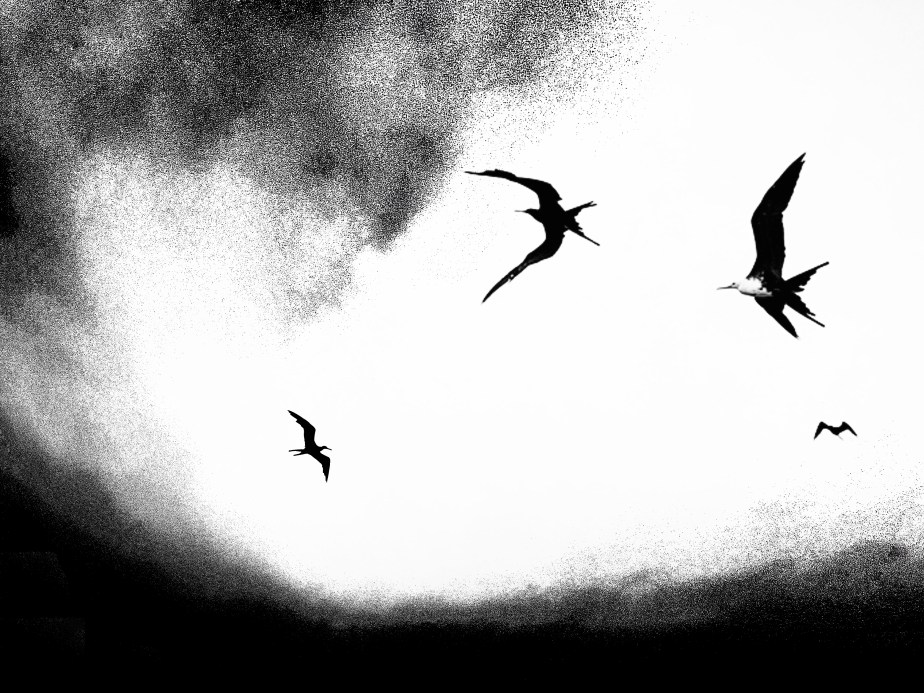
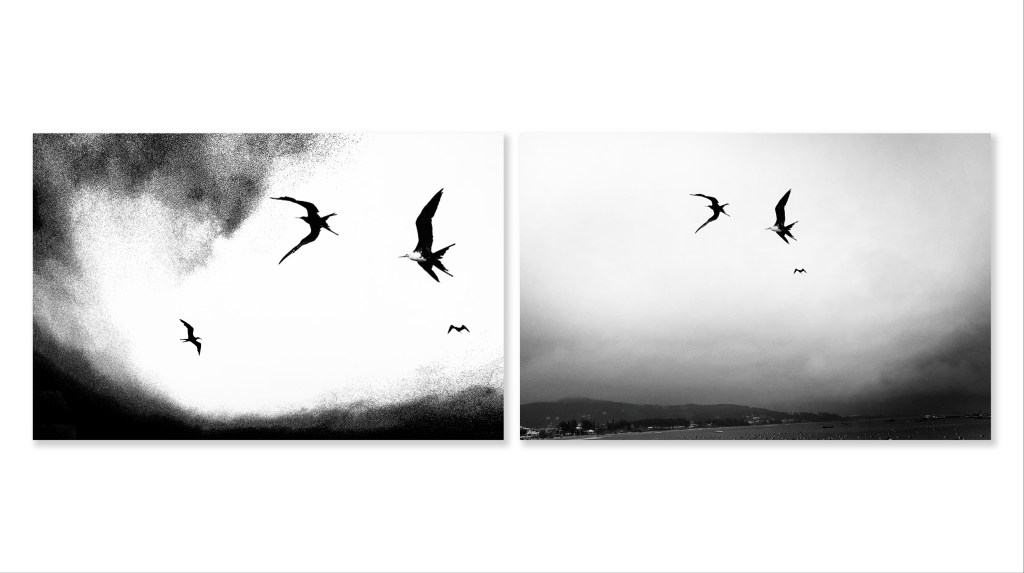
“Don’t believe what your eyes are telling you. All they show is limitation. Look with your understanding, find out what you already know, and you’ll see the way to fly” (Richard Bach – Jonathan Livingston Seagull).
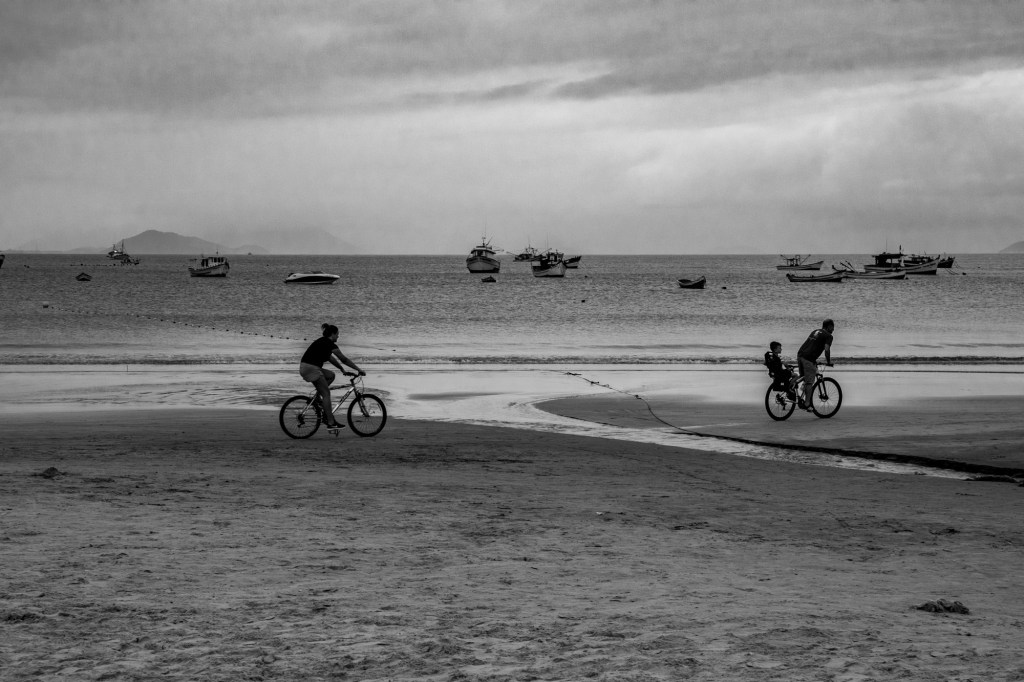
When I think about it, I am much more an “on-the-road” photographer than anything else I or any other name you all can give … and, I am satisfied, sincerely, with this title that I gave myself without any pomp or festivities of solemn acts that exist in life. I’m happy to try to be happy through photography, but it’s not easy to be happy … As only happy moments exist in life instead of the so-called happiness, I consider myself happy…Appearances, here, are not deceiving … They are real.
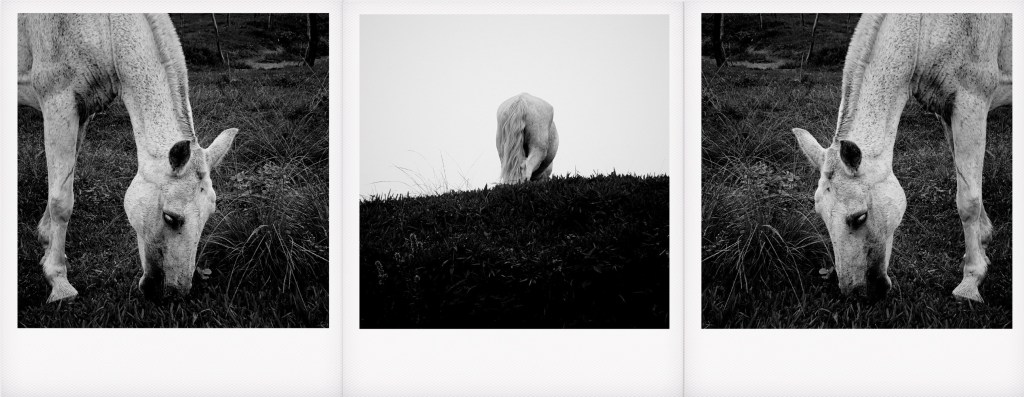
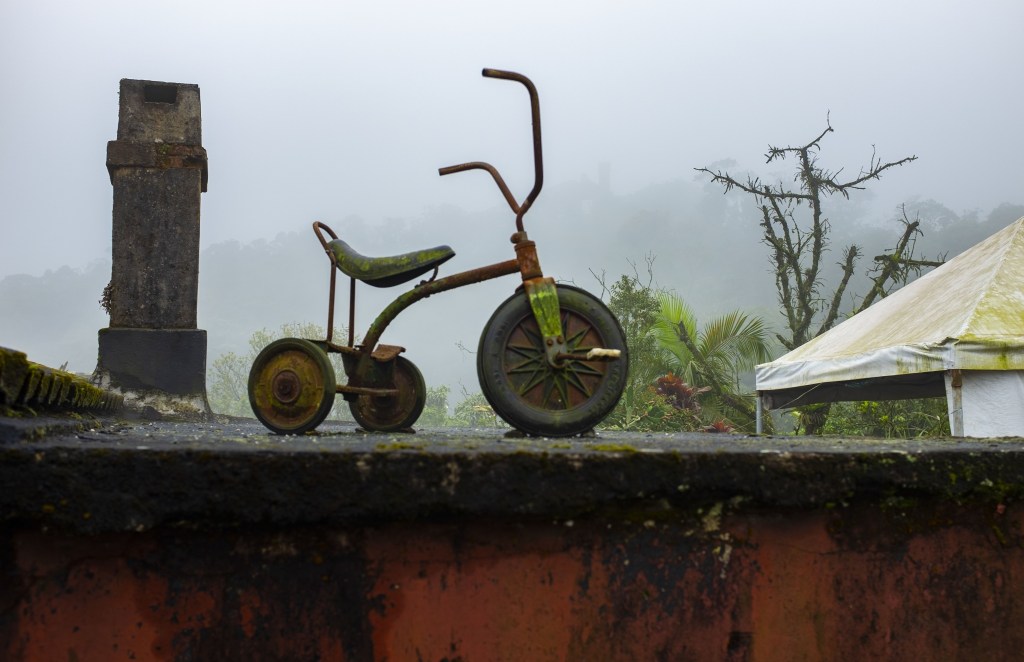
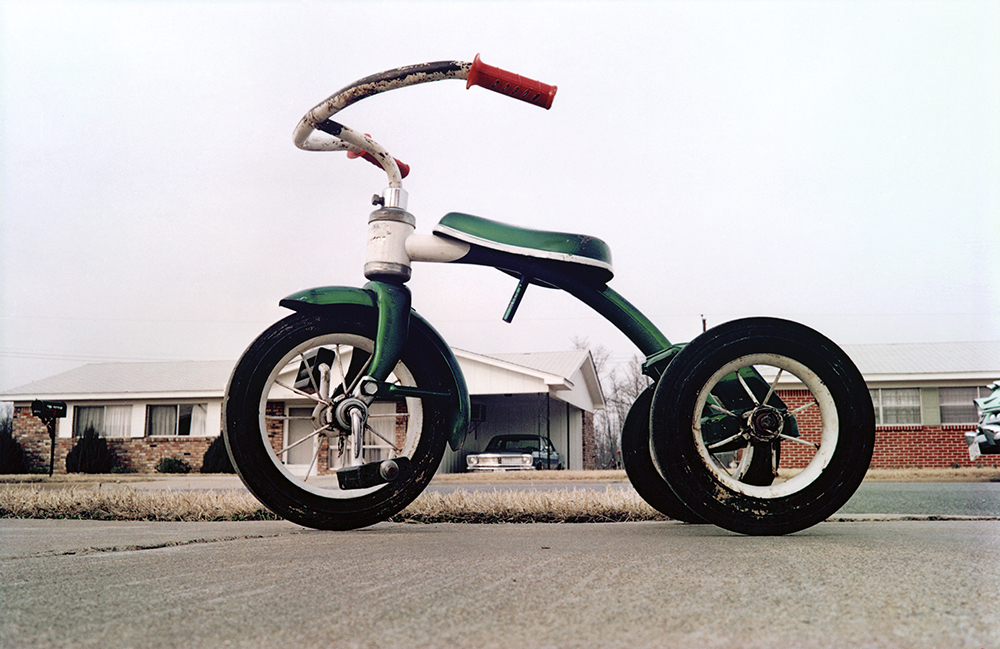
I can swear and, I believe, you are capable of not believing that in 2018 in Paranapiacaba (SP-Brazil) I took this photograph of the top of the diptych I was already aware of this iconic photo by William Eggleston (which is mentioned in the literature as “Untitled, Tricycle and Memphis, 1970”), but I did not imagine that today I would be comparing mine with his made practically from the same angle.
Observing international criticism, this lower angle gives Eggleston’s famous photo very inspired considerations like this one by Mark Feeney: “Looking up at the sky, Eggleston’s camera gives that tricycle the majesty – and ineffability – of an archangel’s throne” (William Eggleston’s Big Wheels, Smithsonian Magazine – August 2011). Feeney also notes that Eggleston’s tricycle dominates the foreground of the photo “like a chariot of very youthful gods“. And he adds: “archangels, deities: for Eggleston, the profane is what’s sacred”.
You who are reading this text what about my tricycle? I hope you say good things since my tricycle is at a great disadvantage – to say the least – to Eggleston made in 1970. This iconic photograph was recently auctioned for just over half a million US dollars. I would be happy with good readings from my tricycle and, perhaps, a very minimal fraction – a very tinny fraction – of Eggleston’s dollars for my tricycle.
![[paths…]](https://antoniomozetophotography.com/wp-content/uploads/2021/12/130721569_3694856933871036_6765026160718444622_n.jpg?w=924&h=0&crop=1)

![[sale of my photobook RURAIS in Curitiba, PR-Brazil]](https://antoniomozetophotography.com/wp-content/uploads/2021/11/capa_rurais_vale.jpg?w=924&h=0&crop=1)










 Antonio Mozeto