Sale of my photobook RURAIS in Curitiba, PR-Brazil: at PORTFÓLIO SCHOOL OF PHOTOGRAPHY – Rua Alberto Folloni, 634 A – Centro Cívico. Physically and, soon, through the Portfólio bookstore website.
Venda de meu livro de fotografias RURAIS em Curitiba, PR-Brasil: na ESCOLA PORTFÓLIO de FOTOGRAFIA – Rua Alberto Folloni, 634 A – Centro Cívico. Fisicamente e, em breve, pelo site da Livraria da Portfólio.
This is a question often asked in photography. Not that it is widely voiced by different photographers, but it can definitely be said that it is in these people’s minds more often than you might think. I’m in this class of people.
I have not (yet) achieved in my lifetime a level of education in photography (or in the visual arts) to affirm principles in this art in a categorical way. I feel (still) far from it. But I’ve already reached some insights that allow me to speak/write some things with relatively reliable content, express my feelings, things like that.
I like to analyze/study works by those who are, in the photography art media, called ‘great masters’. One of them for me is USA photographer Judith Joy Ross (1946; Hazleton, Pennsylvania) who has a wonderful job (my insight) in photography and is at present with an exhibition (a retrospective of the last 40 years: 1978-2015 ) at Fundación MAPFRE in Madrid, Spain until January 29, 2022 (https://www.revistalafundacion.com/…/judith-joy-ross…/). Ross is not one of those studio portraits. Her work environment is outside, it’s the street. In the 80’s she concentrates her work in the portraits genre and, it’s no secret, that she was inspired by the works of great photographers like August Sander, Walker Evans and Diane Arbus, always photographing strangers and mainly (here comes the central point from my ‘review’): the focus on recording or capturing the emotions or feelings stamped on the faces of the people photographed.
I wrote a short review the other day (Reflections on Photography -11/11/21) commenting on one of the photographs of one of her most personal projects where she photographed children and teenagers in a park (Eurana Park, Weatherly, Pennsylvania, USA), photo this , charged with strong magic. After her father’s death, she returns to this place that holds memories of her childhood life.
But the photographer has other projects or series of a social nature with photographs of people who express their strong position against wars, in fact the same position and feeling as the author. She verbatim says that she was only able to take such photographs from the day she realized this feeling inside her. And it is about these photographs that I would like to comment. The central aspect I want to focus on here is the ability of the photographs from this Judith Joy Ross project to stamp their anti-war feelings on people’s faces. For me, in the photographs presented below, this feeling is so vivid that it jumps out at the eyes of those who see them.
The photographer’s choice is to photograph people expressing their anti-war feelings and not others that can be considered true clichés in this type of work, ie people usually lined up carrying protest banners and posters and usually found shouting slogans typical of these movements.
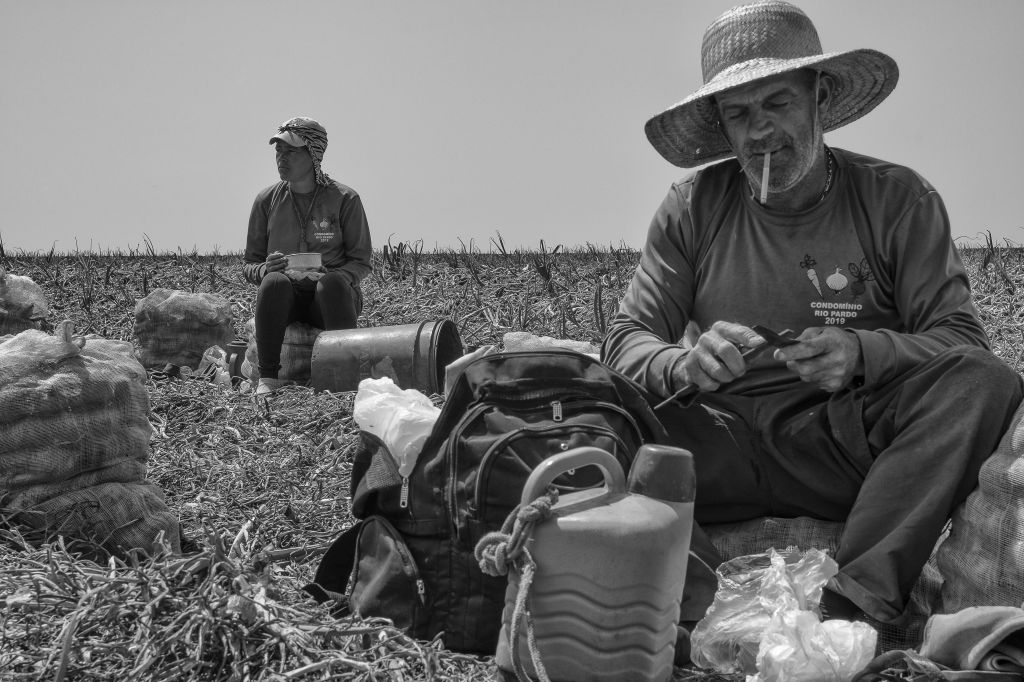
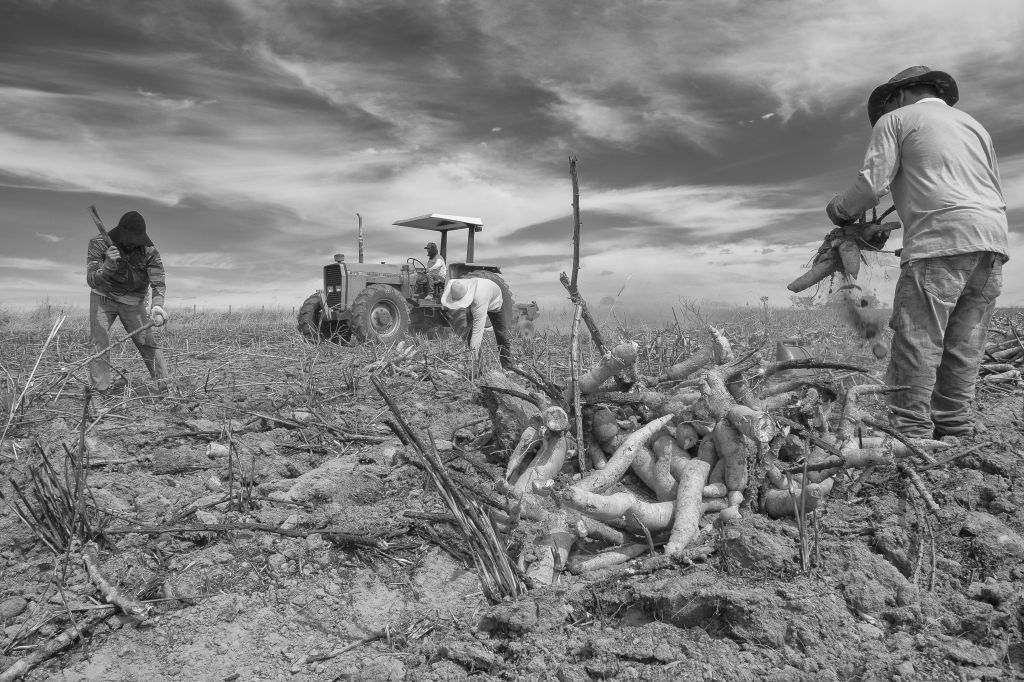
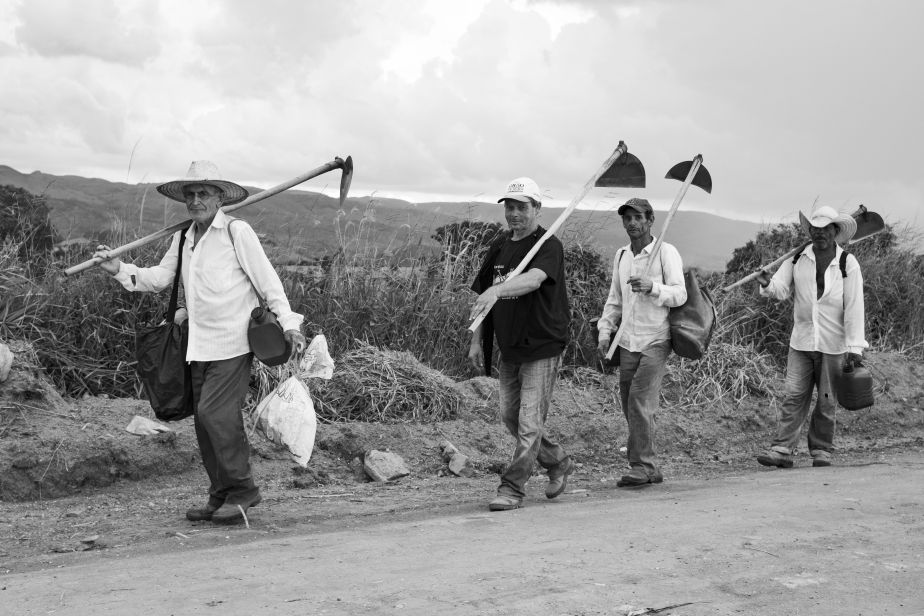
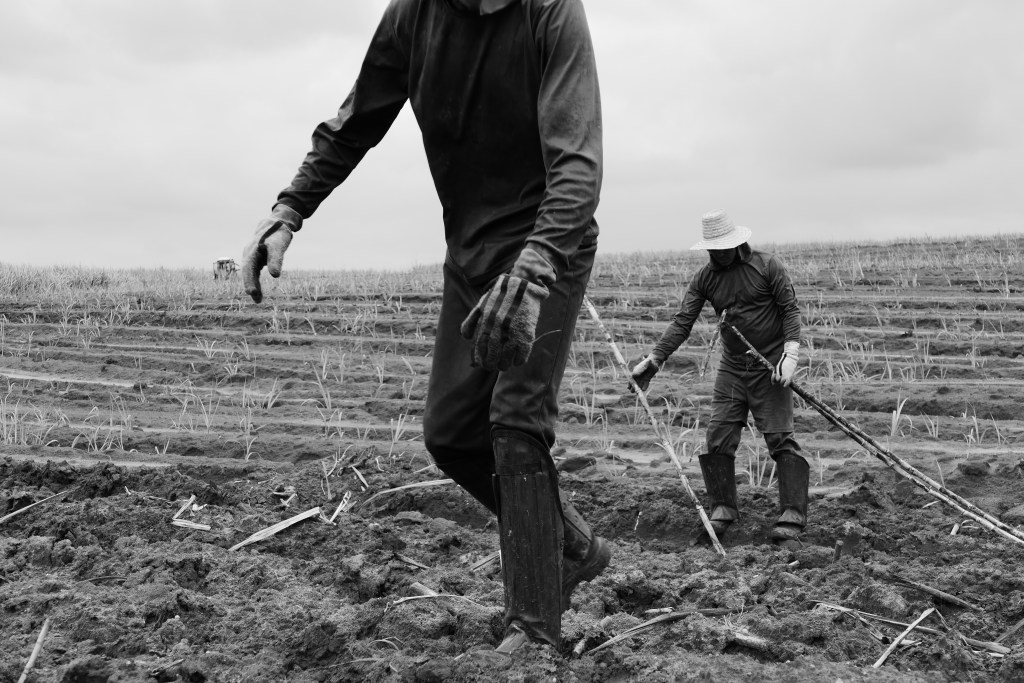
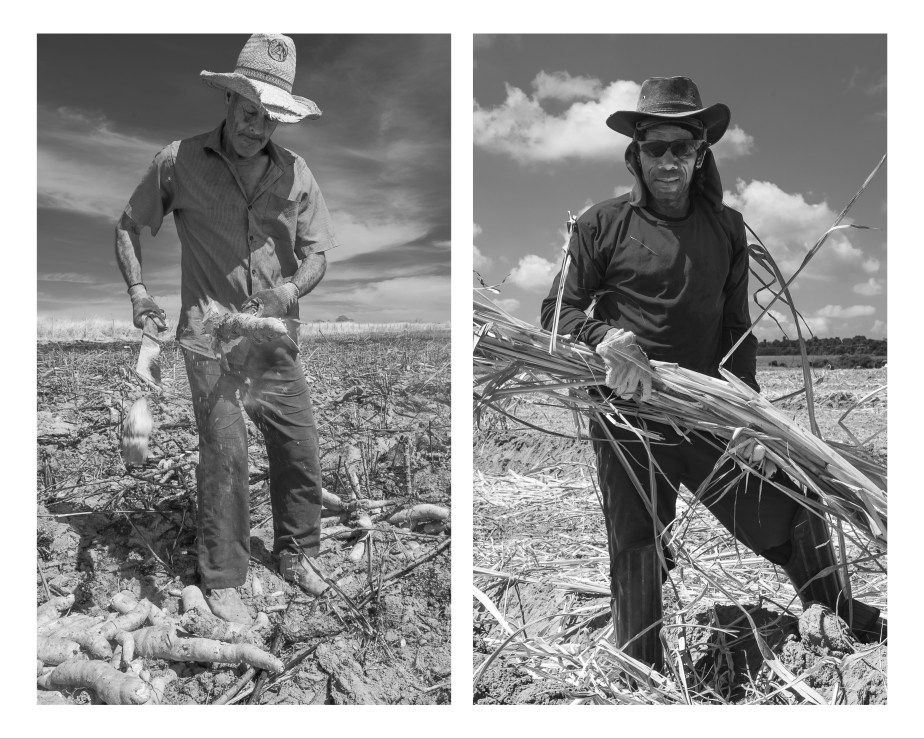
RURAIS is a book of black and white photographs of rural workers in Brazil published by Editora Origin which was curated by Juan Esteves and an exceptional graphic design by Roberto Weigand.
The book features 98 photographs (148 pages – 25cm high x 23cm wide) of various rural workers from four Brazilian states in their work environments and was beautifully printed in full black + yellow Pantone off set system on Masterblank 270g/m2 paper (front of laminated cover) and the inside in Munken Lyns Rough 120g/m2 paper with a print run of 500 by Gráfica e Editora Ipsis in September 2021.
Several of the photographs are accompanied by original chronicles written by me as a narrative about rural life in Brazil that also reflect my experience in the various photo sessions with rural workers portrayed in the book throughout the interior of the states of São Paulo, Minas Gerais, Goiás and Mato Grosso do Sul, as well as my childhood and adolescence memories lived in a rural area in the state of São Paulo.
The book will be released at the Casa de Cultura Odisseia (Al. Ministro Rocha Azevedo, 463 SÃO PAULO, SP) on 10/23/2021 from 11:00 am to 6:00 pm, when some photographs of my project will also be exhibited till 11/17/2021. Book and photos will be for sale locally, as well as being purchased directly from me.
A release live will be held on the website of the Festival Hercule Florence coordinated by Ricardo Lima and with mine and the participation of Juan Esteves (book curator) on 10/21/2021 at 19:00 to be published in social media in the near future (facebook and instagram). ON THIS OCCASION WE WILL SELECT COPIES OF THE BOOK AMONG THE PARTICIPANTS.
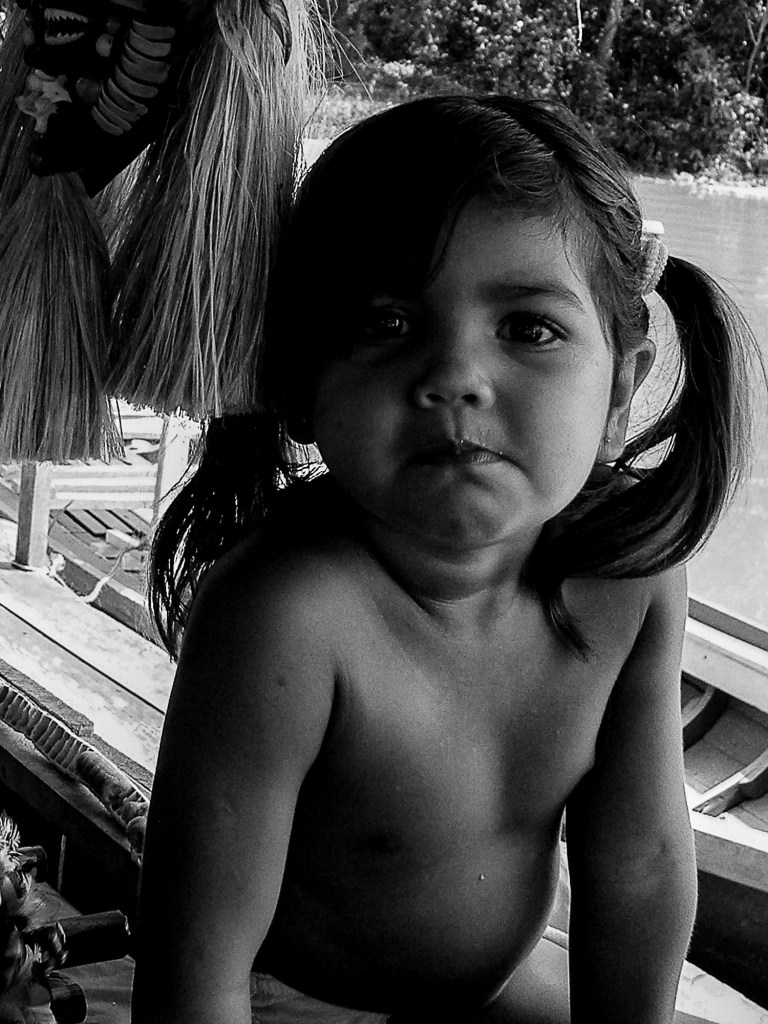
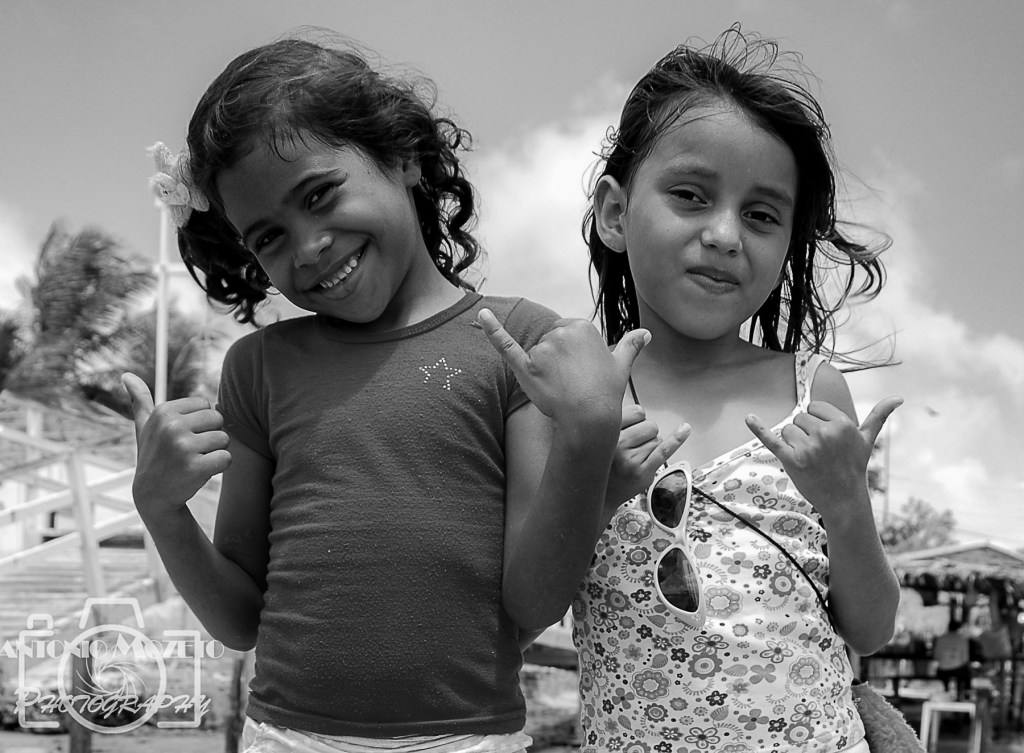
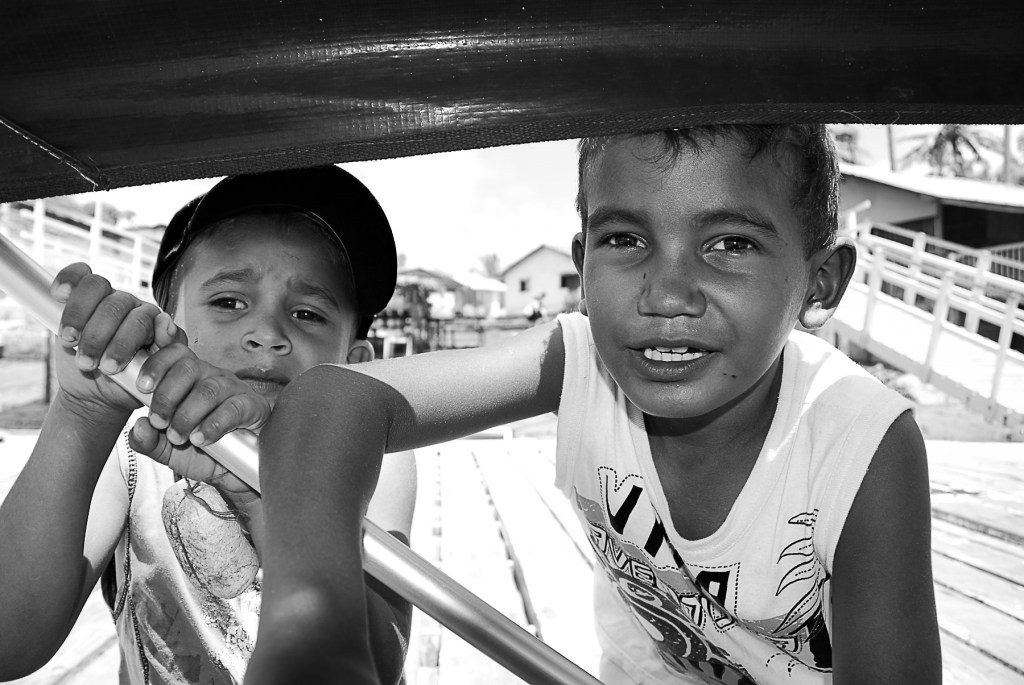
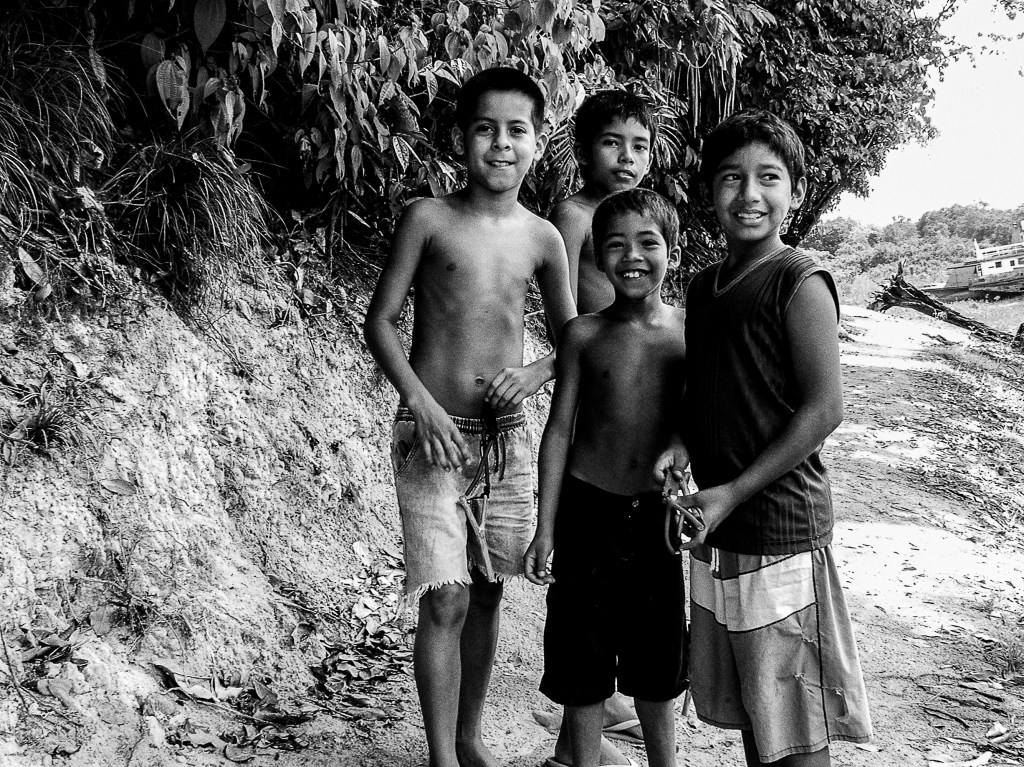
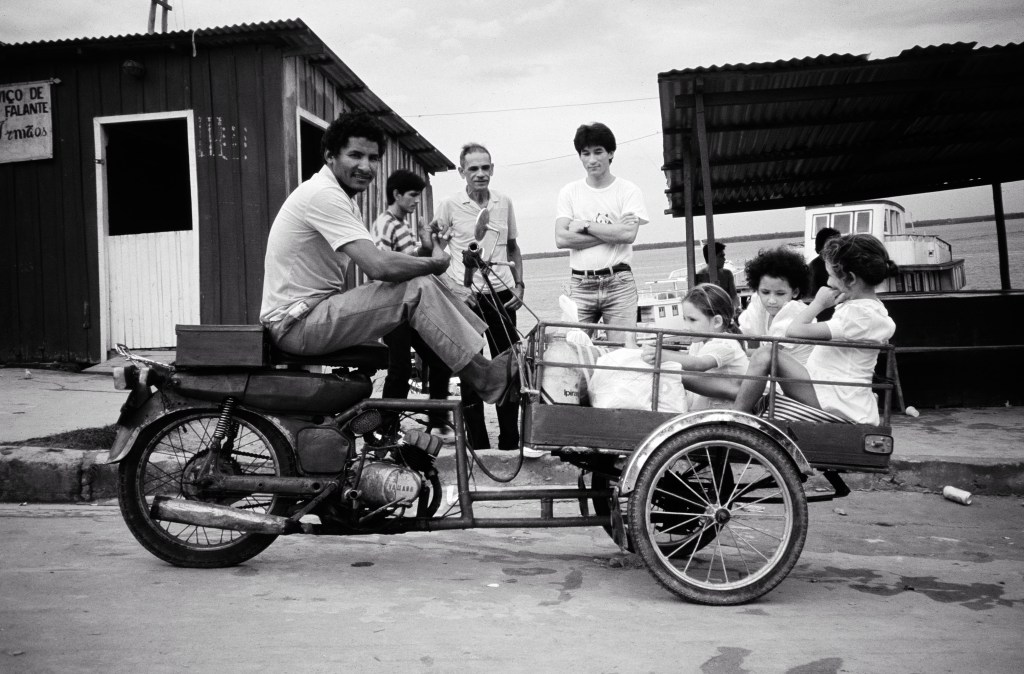
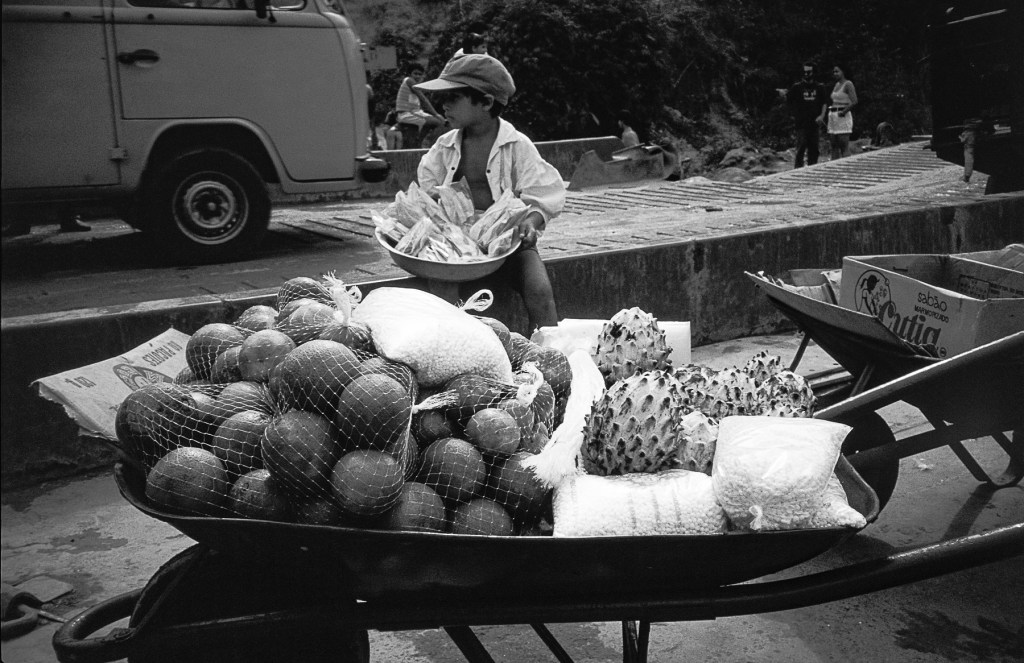
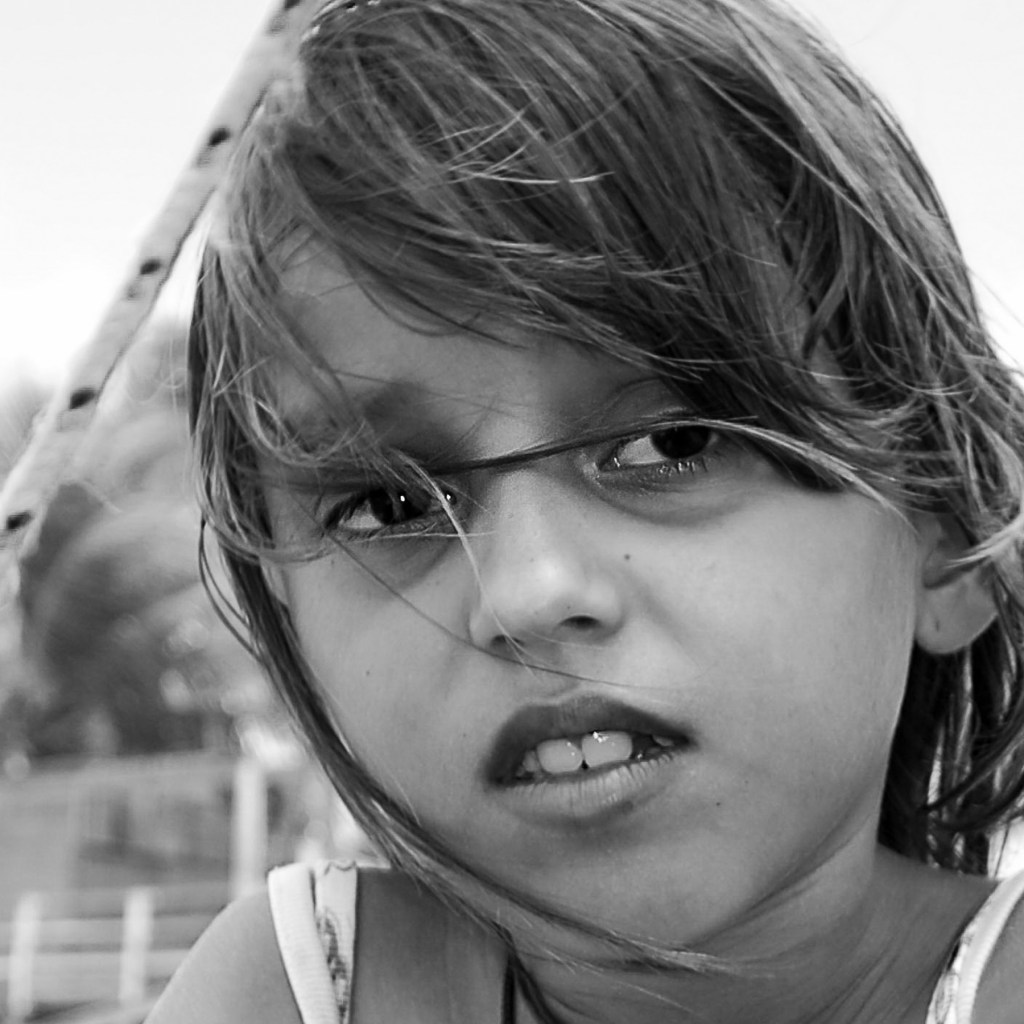
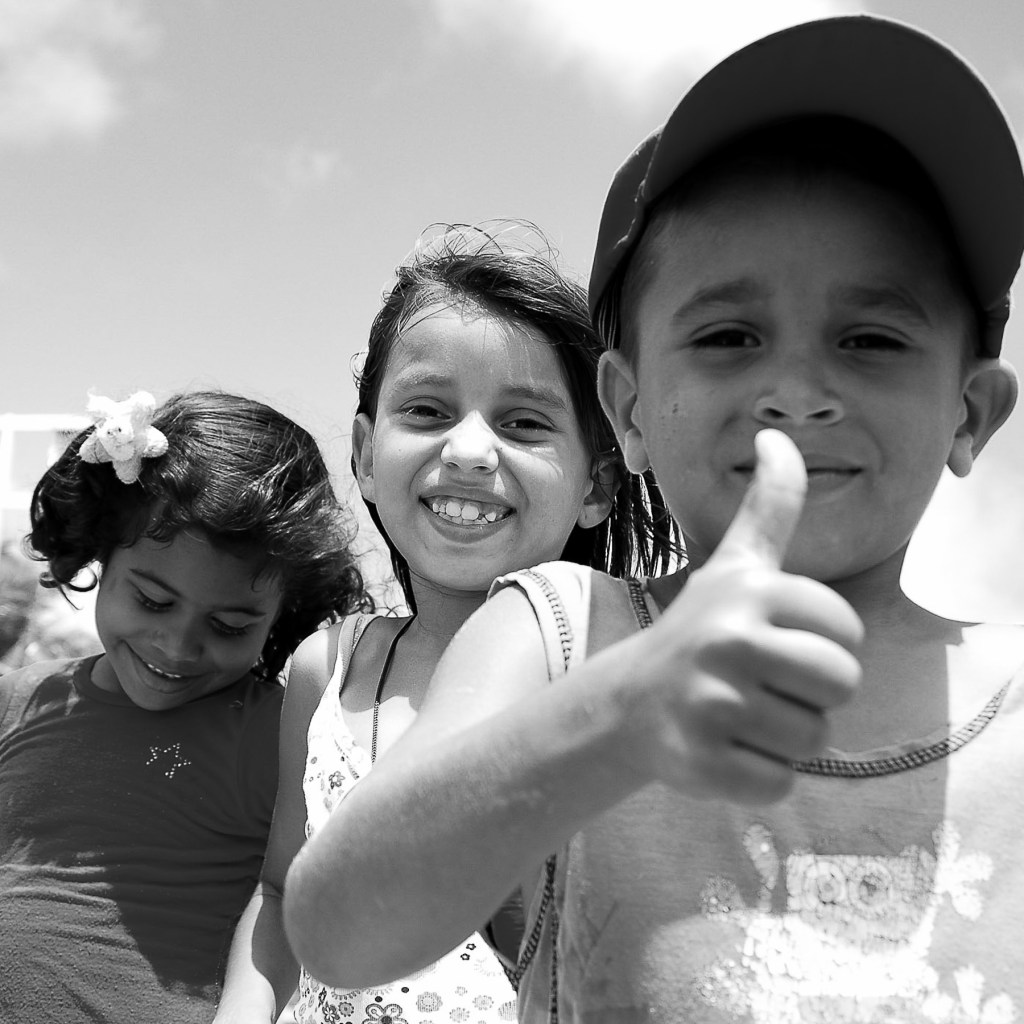
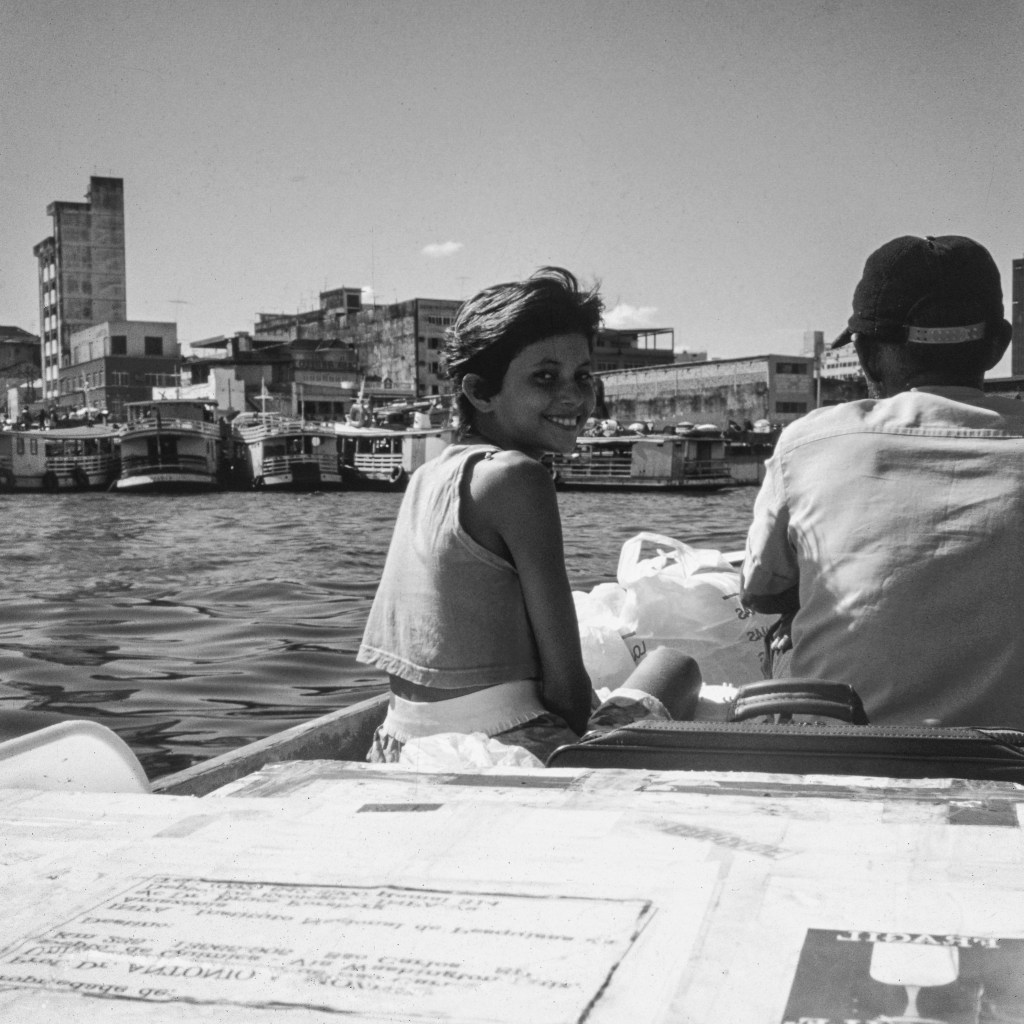
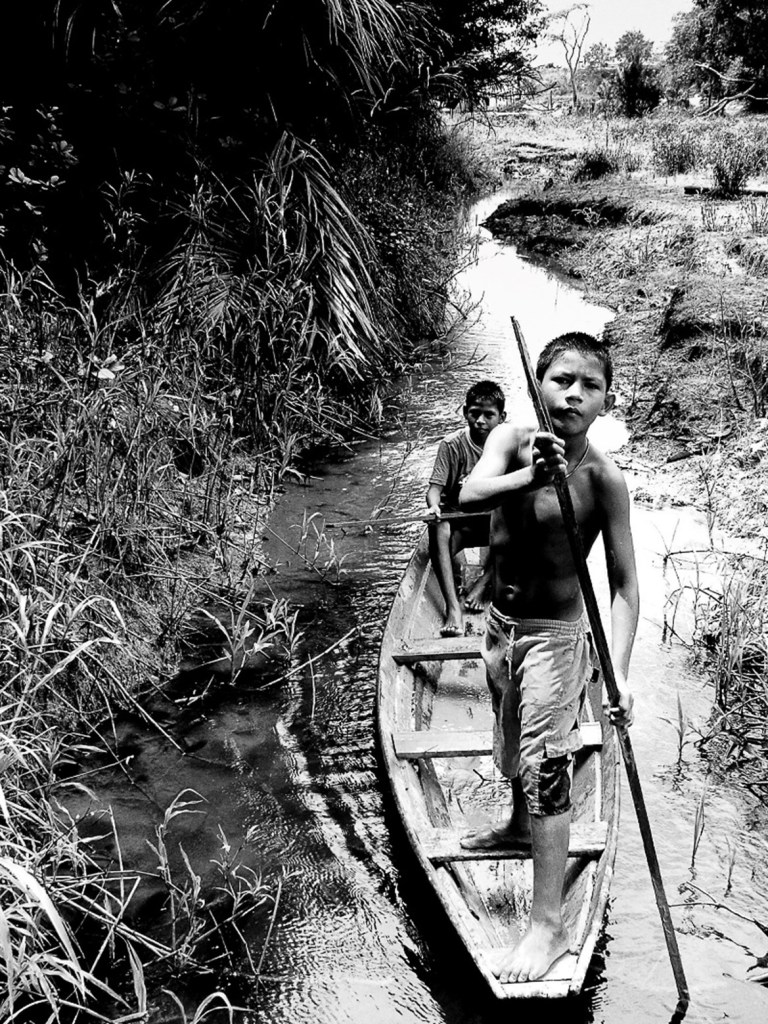
I consider myself privileged in life and for several reasons, one of them being that as a professor and researcher in the environmental area at the university, I had almost countless chances to travel and discover the Brazilian Amazon region for several decades.
The photos I share today are from a series I called “Children of the Amazon” and were taken on analog (color slides or negatives) several decades ago. But here they are: alive as never before.
I have many questions that fill my mind: where and how are these “children”? Will they still live in the same places? Were they married or not? How many children will they have had? Will they be happy people? For me I only have the memories of those happy days for me and those beautiful and happy children…
[we are different in many ways, but not in our feelings: how we preserve and cultivate our memories: how we love: how we dream … we are our memories; our loves: our successes: our disappointments: we are what we dream of being]
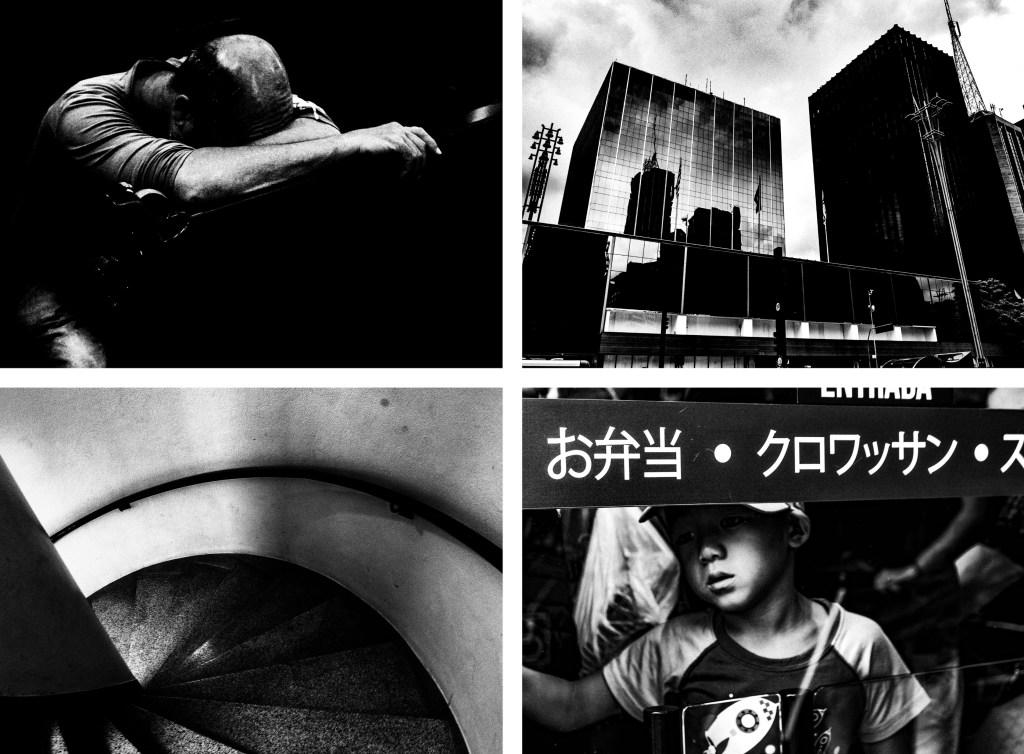
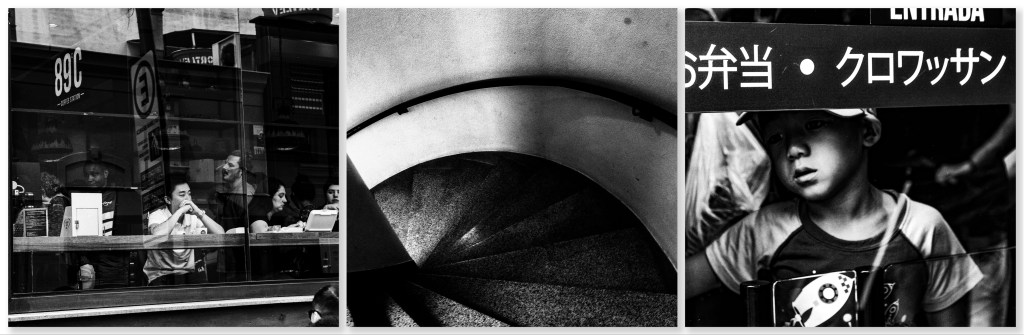
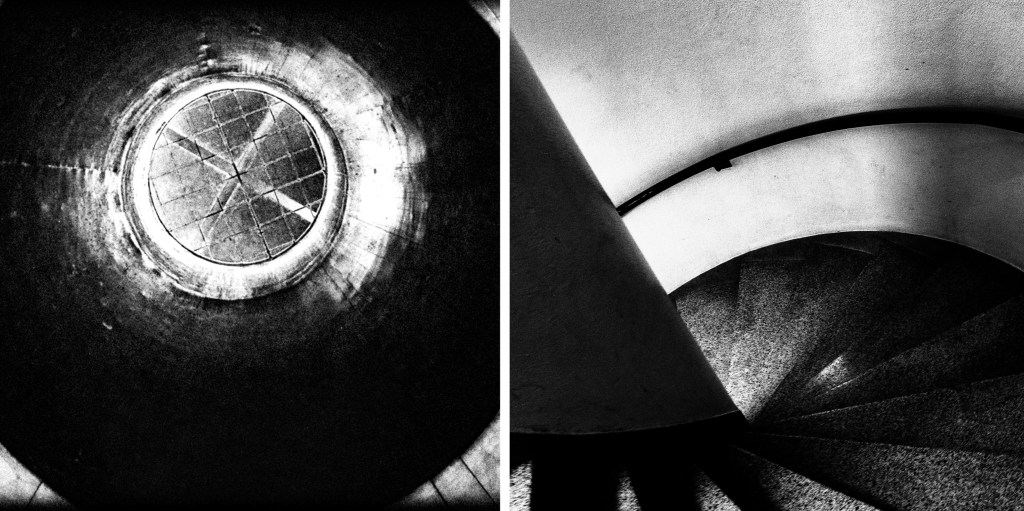
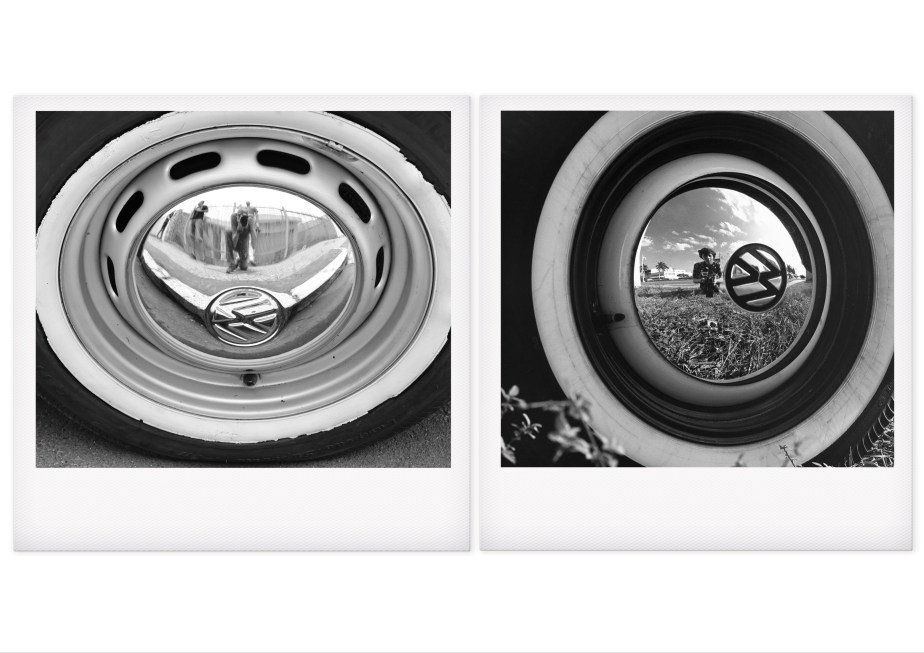
I’m (almost) absolutely sure you won’t believe it: I never seek to mimic/emulate (or using a uglier word in this case: imitate, copy) photographs of great masters (of all of us photographers, I believe), but this ghost (if it’s really a ghost he’s a good one) chases me….even though, premeditatedly (this is another thing I don’t think you’ll believe), I never go out to my photo shoots with that idea in my head. But, they keep happening through the years. Here I show SEVEN examples.
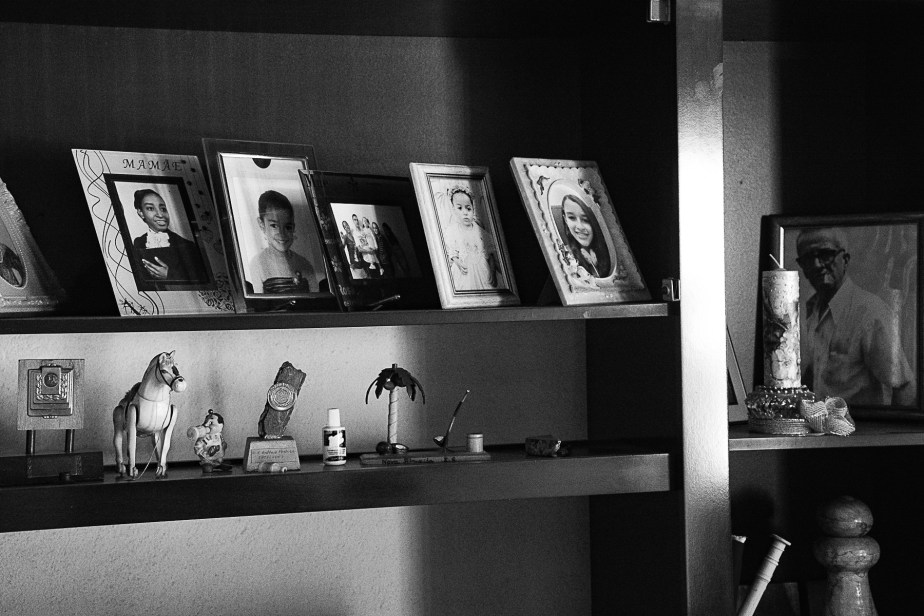
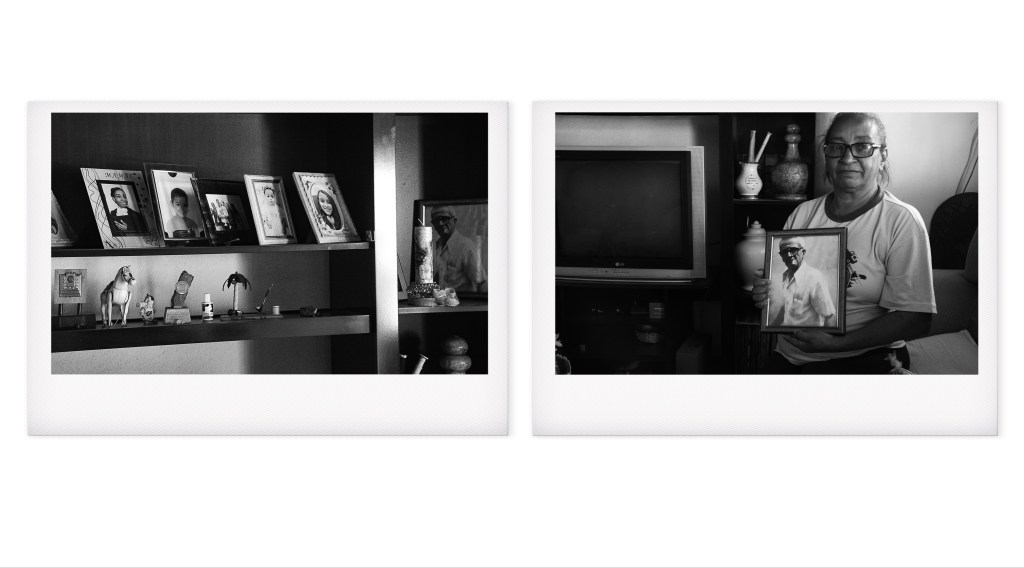
…to see and know how we are, how we were…to never forget what and how we are and what we are becoming…to become aware of what and how time changes us, slowly, definitely…
Brassaï (1899-1984) questions in his book ‘Proust and photography’ (original title: ‘Marcel Proust sous l’emprise de la photographie’ and published in Brazil in Portuguese in 2005 by Jorge Zahar Ed., Rio de Janeiro) (version that I now read) that “a simple photograph would possess so as much presence as a real person? Yes, Proust thinks, the photo is even a kind of real double, loaded with all the potentialities of a being”.
And Brassaï goes on to say: “every portrait would not attest to the presence of a person in front of a lens, would it not be an image traced by light itself, as its etymology indicates, by the way: photos=light, graphein=trace? WOULDN’T IT BE THE VERY EMANATION OF THE BEING?”
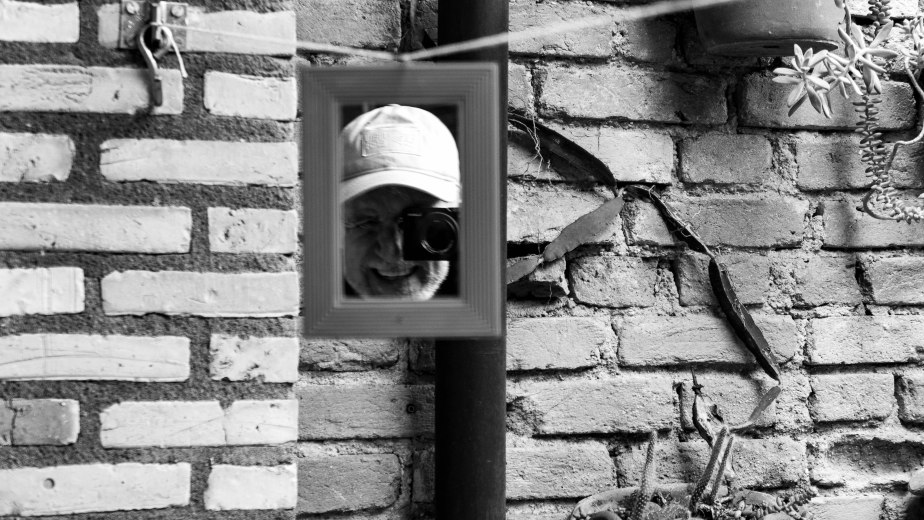
[I am not good with words; I have for myself that I was born disfigured from that thing called the word; I need to talk about it to break the spell; it seems that I am convinced that I was born to see-hear-appreciate; with a sharper feeling; because I like to see the rooster crowing: because I like to see the birds singing: the noise of rain-on-the roof; of a shooting star streaking the sky on endless nights: the ticking of the time clock: the flashing light of the fireflies: perhaps even the rays of the sun illuminating the mornings: the warm colors of the setting sun; I hear the noise of the moon’s phase changes: of the movement of the clouds: of the twinkling of the stars in the firmament; I hear the brightness of the Milky Way in the sky on a clear night: the speech of the deaf and dumb: the silence of innocents: of tired souls; I hear the silence of the emptiness of love that is gone: of the warmth of the loving gaze of father and mother: of the silence of a fallen leaf on the floor of the branches of trees in autumn: of the blossoming of flowers in the meadows: of the heat of the animals in the bush : the dangling of the dogs’ tails: the sadness of death and grief: the footsteps of frustrated dreams and nightmares of sleepless nights: the silence of fear of the dark: the loneliness of lonely and abandoned old men: the jealousy of the unloved wife and despised; I hear the sweat running down the face of a tired worker in the midday sun: the silence of just men and women, workers, at the end of another day’s work; I hear the hope of the arrival of letters: the anxiety of a mother waiting for her child at the door of the house: the silence of tired hands, of peaceful minds and hearts: the sounds, the colors, the sensations of absence: the faith and courage of righteous men: the sound of the cool breeze of the cold April mornings]
![[sale of my photobook RURAIS in Curitiba, PR-Brazil]](https://antoniomozetophotography.com/wp-content/uploads/2021/11/capa_rurais_vale.jpg?w=924&h=0&crop=1)







![>>[children from the Amazon]<<](https://antoniomozetophotography.com/wp-content/uploads/2021/09/meninos-amazonia-manaus-igarape-cururu-2005.jpg?w=924&h=0&crop=1)


![[>.d.r.e.a.m.s.<]](https://antoniomozetophotography.com/wp-content/uploads/2021/09/arquitetura-sampa-24_25ago17-edit.jpg?w=924&h=0&crop=1)
![[.P.O.R.T.R.A.I.T.S.]](https://antoniomozetophotography.com/wp-content/uploads/2021/06/pag-dupla-extra-rurais-07-.jpg?w=924&h=0&crop=1)
![[dis-words]](https://antoniomozetophotography.com/wp-content/uploads/2021/05/dsc_9019b.jpg?w=924&h=0&crop=1)

 Antonio Mozeto