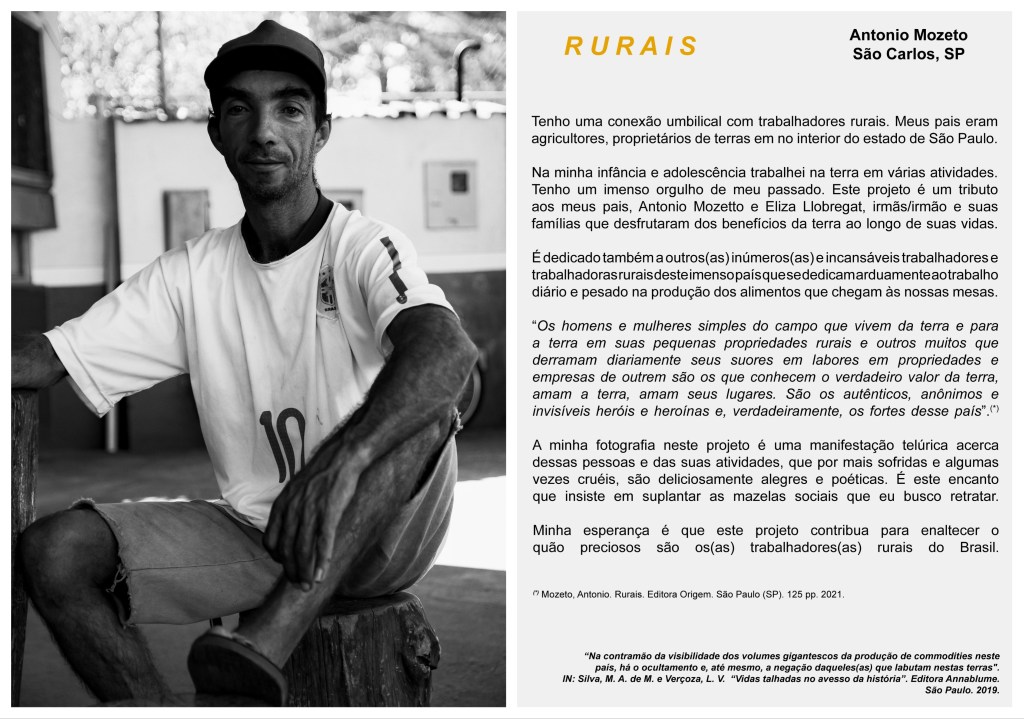
[Affection was washed clothes, food on the table and unity against the storms. Resisting as a family was the greatest proof of goodwill] (excerpt from the book ‘Salvar o fogo’ by Itamar Vieira Jr. Ed. Todavia. São Paulo, Brasil. 2023) (magnificent book!!!) ———– (photo: rural worker, Descalvado SP 2018 from the book ‘Rurais’ Antonio Mozeto. Ed. Origin. São Paulo, Brasil. 2021)
I invite friends and interested parties in general to the opening session of my ninth photography exhibition called RURAIS, which is installed in the lobby of the Rectory of UFSCar (Rod. Washington Luis s/n, São Carlos-SP, Brazil) which will be held, at the same location, tomorrow, April 11, 2023, at 2:00 pm.
It will be a great pleasure to welcome you!
photo: rural worker on sugar cane plantations in the municipality of Descalvado (SP-Brazil)
“Photography is a kind of alembic in which, in its successive transformation chambers (the eye, the camera, the darkroom(*)), the substance is extracted from the flow of images that crosses us every second and gives them meaning and presence. It is an essence of the look, slowly distilled” (Didier Brousse at https://loeildelaphotographie.com/fr/camera-obscura-bernard-descamps-essentiel/)
Photo exhibition. Hall of the rectory building of the Federal University of São Carlos, São Carlos, SP-Brasil. March/2023.
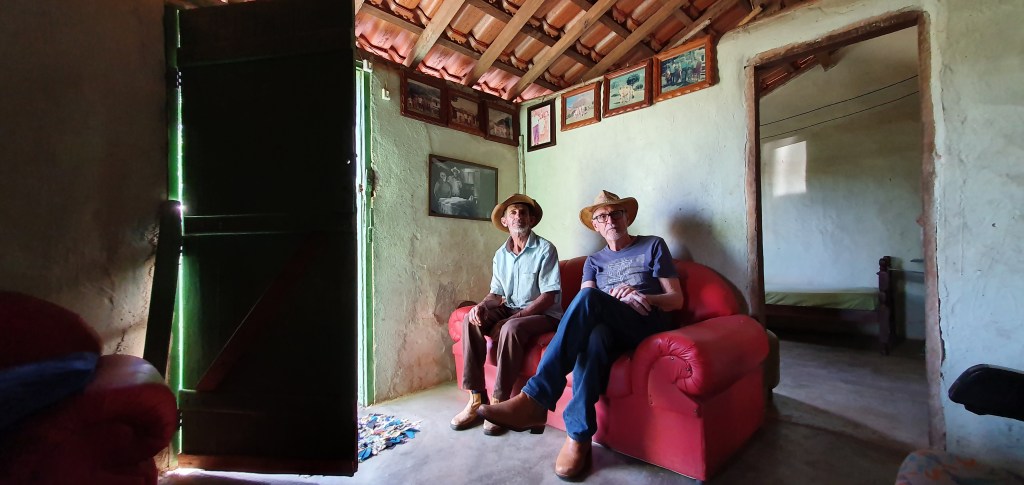
I have an umbilical connection with rural workers. My parents were farmers, landowners in the interior of the state of São Paulo.
In my childhood and adolescence I worked on the land in various activities. I am immensely proud of my past. This project is a tribute to my parents, Antonio Mozetto and Eliza Llobregat, sisters/brother and their families who have enjoyed the benefits of the land throughout their lives.
It is also dedicated to other countless and tireless rural workers in this immense country who dedicate themselves hard to the daily and heavy work in the production of the food that arrives at our tables.
“The simple men and women of the countryside who live off the land and for the land on their small rural properties and many others who daily shed their sweat in labor on other people’s properties and businesses are those who know the true value of the land, love the land , love their places. They are the authentic, anonymous and invisible heroes and heroines and, truly, the strongest of this country” (Mozeto, Antonio. Rurais. Editora Origin. São Paulo (SP). 125 pp. 2021).
My photograph in this project is a telluric manifestation about these people and their activities, which, however painful and sometimes cruel, are deliciously happy and poetic. It is this charm that insists on overcoming the social ills that I seek to portray.
My hope is that this project will contribute to highlighting how precious Brazil’s rural workers are.
Word-photography pairing Inspired by an article written by Geoff Dyer called ‘form: word + photography’ and published by Zum magazine in May 2014, I found resonance for an aspect of great relevance for me in photography that is ‘marriage of the word with the photograph’ or ‘photography’ with the word’. For me, there is often an exchange of roles, i.e., who was born first, like the story: ‘the egg or the chicken?’: ‘The word or the photo?’.
Dyer cites some books that historically fall into this category and after reading his article I was tempted to buy one and ended up buying the ‘Looking at photographs’ where John Szarkowski ‘houses’ 100 photographs from the collection of the Museum of Modern Art in New York ( the most iconic in his perspective in 1973, of course) with ‘words’ about such photos. Despite having the book in my hands for less than 24 hours, I was able to perceive real jewels – both ‘jewels-words’ and ‘jewels-photographs’ – that are in it.
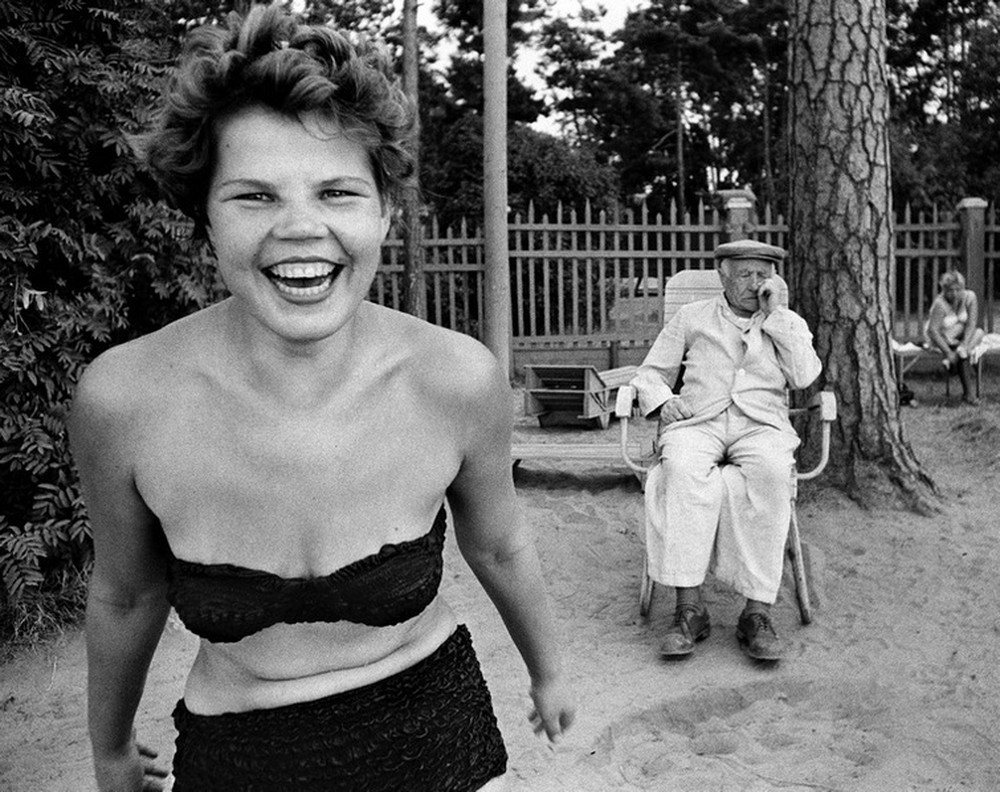
One of these gems is a photo by William Klein made in Moscow in 1959 that Szarkowski’s book does not give the name (what a mistake Szarkowski!), But I know it’s a bikini because it’s the cover of a Photofile (Thames & Hudson, 2017) from Klein that I have in my small library. “Bikini” escapes – in my modest knowledge and understanding of Klein’s work – from the ‘rule’ of (almost all) photographs by this author who excels in ‘meter’ within the rectangle, a great diversity of elements of composition. ‘Bikini’ has 6 layers or beautifully defined plans …. and, many mysteries … tensions … and, poetry.
Well, among the many things that Szarkowski talks about in this photograph, I read something I want to share:
“It was recognized long ago that so-called good photographic technique did not invariably make the best picture. Sometimes the gritty, graphic simplicity of the badly made photograph had about it an expressive authority that seemed to fit the subject better than the smooth, plastic description of the classical fine print ”.
You did well Szarkowski!!! …
——————————————————-
Inspirado num artigo escrito por Geoff Dyer chamado ‘forma: palavra + fotografia’ e publicado pela revista Zum em maio de 2014 encontrei ressonância para um aspecto de grande relevância para mim na fotografia que é ‘casamento da palavra com a fotografia’ ou da ‘fotografia com a palavra’. Para mim muitas vezes há, aí, um intercâmbio de papéis, i.e., de quem nasceu primeiro, como a história: ‘o ovo ou a galinha?’: ‘a palavra ou a fotografia?’. Dyer cita alguns livros que historicamente encaixam-se nesta categoria e após ler seu artigo fiquei tentado em comprar um deles e acabei comprando o ‘Looking at photographs’ onde John Szarkowski ‘casa’ 100 fotografias do acervo do Museu de Arte Moderna de Nova York (as mais icônicas em sua perspectiva no ano de 1973, é lógico) com ‘palavras’ sobre tais fotos. Apesar de ter nas mãos o livro menos de 24 horas, já pude perceber verdadeiras joias – tanto ‘joias-palavras’ como ‘joias-fotografias’ – que há no mesmo. Uma dessas preciosidades é uma foto de William Klein feita em Moscow em 1959 que o livro do Szarkowski não dá o nome (que mancada Szarkowski!), mas eu sei que é ‘bikini’ porque é capa de um Photofile (Thames & Hudson, 2017) do Klein que tenho em minha pequena biblioteca. “Bikini’ foge – no meu modesto conhecimento e entendimento da obra de Klein – da ‘regra’ das (quase totalidade) fotografias desse autor que prima por ‘meter’ dentro do retângulo grande diversidade de elementos de composição. ‘Bikini’ tem 6 camadas ou planos lindamente definidos….e, muitos mistérios…tensões…e, poesia. Pois é: entre as várias coisas que o Szarkowski fala dessa fotografia leio algo que quero compartilhar:
“It was recognized long ago that so-called good photographic technique did not invariably make the best picture. Sometimes the gritty, graphic simplicity of the badly made photograph had about it an expressive authority that seemed to fit the subject better than the smooth, plastic description of the classical fine print”.
Knowing the secrets, the mysteries of the river in order to move forward in life; to be able to navigate; to be able to love. To cross a river is to know the river; it is the revelation of life. Knowing the secrets and beauty of the fluidity, strength, freshness and transparency of its waters… The crossing of a river is the unveiling of the secrets and mysteries of the solidity of its shaped pebbles, sculpted by water and time, lying and almost geometrically accommodated, there almost transparent in the depths of the river. It’s revealing the secrets and mysteries of life… it’s the courage to antagonize fears; create paths to navigate. It is not content with knowing the river only from one of its banks. It is rejoicing in the pleasures of crossing and on the other side of the river; from the other side of the river. It is opening doors in the pursuit of ideals and dreams. The unveiling of new paths on the other side of the river to be able to walk; to follow; to love. The river is also path and time, at the same time; path of past, present and future times …long path; sometimes serpentine; sometimes calm, sometimes turbulent, towards the sea…
‘the river is like time… there was never a beginning’… ‘the river is a snake that has its mouth in the rain and its tail in the sea’ (mia couto. a river called time, a house called land. cia das letras. 2022)
I’m starting to revisit my collection of photographs of rural workers handling different types of crops across the country. And I do so, inspired and deeply moved after watching a few times the documentary that competed for the prize at the 2000 Cannes Festival (and of great international recognition in the following years) by the great filmmaker Agnès Varda called ‘Les glaneurs et la glaneuse’ (* )(The collectors and I). Varda considers herself, in this documentary, a ‘glaneuse’, not of harvest remains, but a ‘glaneuse’ of information, images, and stories. (*)(https://mubi.com/pt/films/the-gleaners-i).
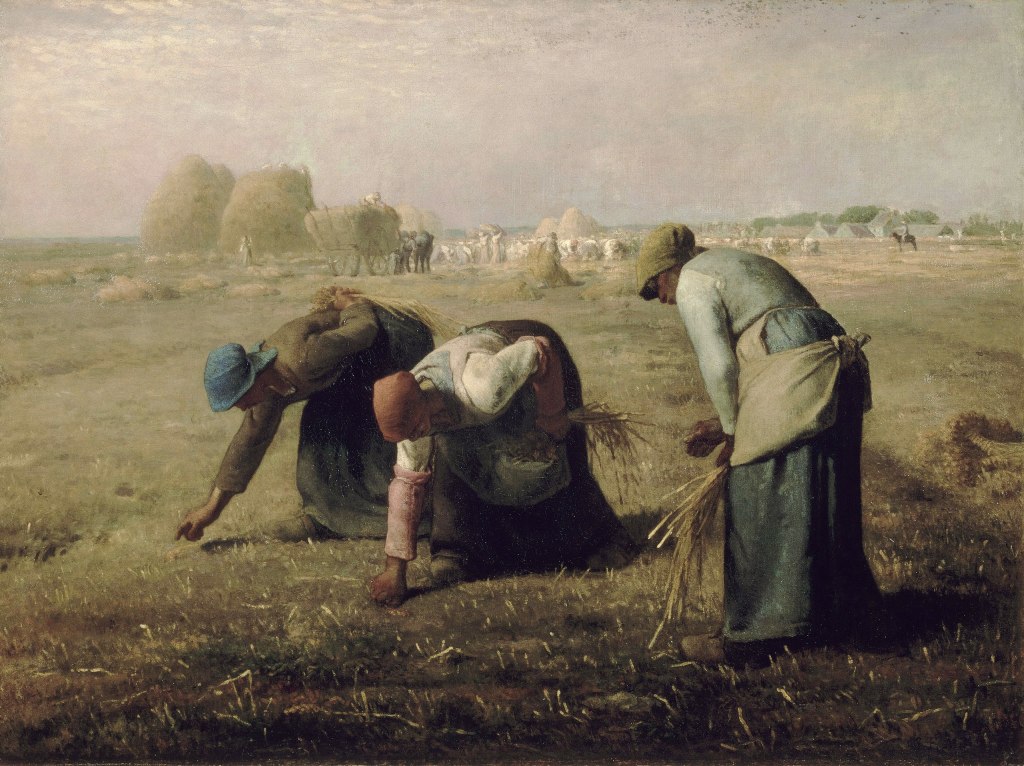
Varda very appropriately quotes, comments and shows two large paintings on the theme of Jean-François Millet (1814-1875) “Les glaneus” (The scavengers) (1857) and “Le rappel des glaneus” (The remembrance of the scavengers) (1859) by Jules Breton (1827-1906). The criticism of these great works of art comments, among other aspects, on things that are very typical and known to rural workers who, in these activities, show themselves with their ‘broken backs, eyes fixed on the ground’ in ‘repetitive and exhausting movements imposed by this hard work: get down, pick up, get up’.
Jean-François Millet (1814-1875) “Les glaneus” (1857). “Le rappel des glaneus” (1859) by Jules Breton (1827-1906).
‘The harvesters’ (of normal harvests), in a lot, resemble the ‘pickers’ who were poor workers, but worthy like any other rural workers who were authorized by the owners or tenants of different plantations to ‘pick up’ the leftovers after the realization of the main crops to guarantee their sustenance.
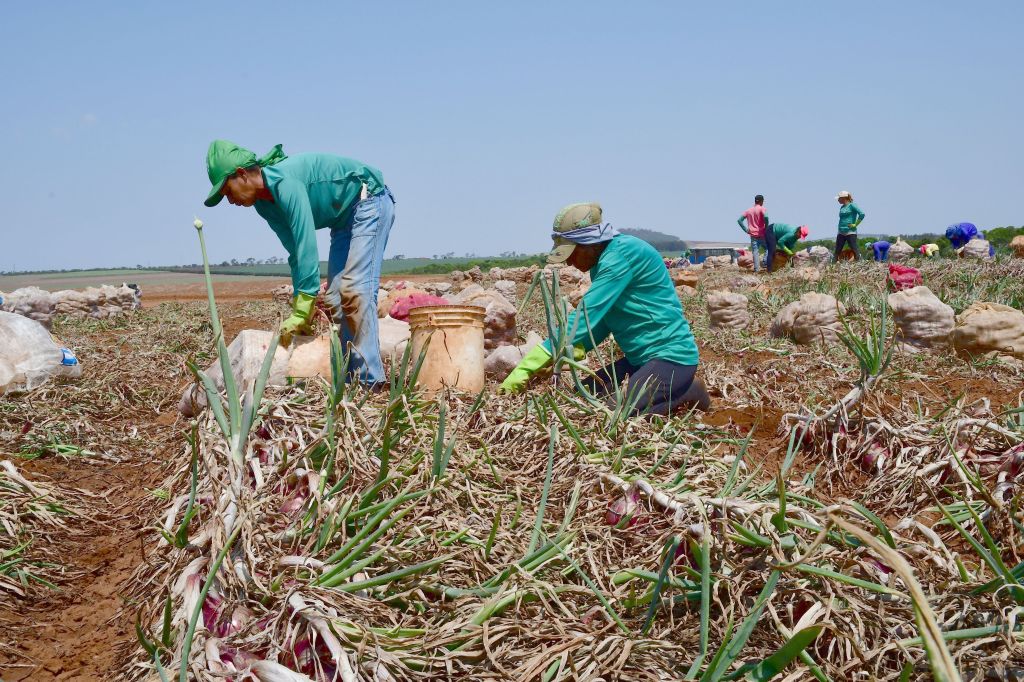
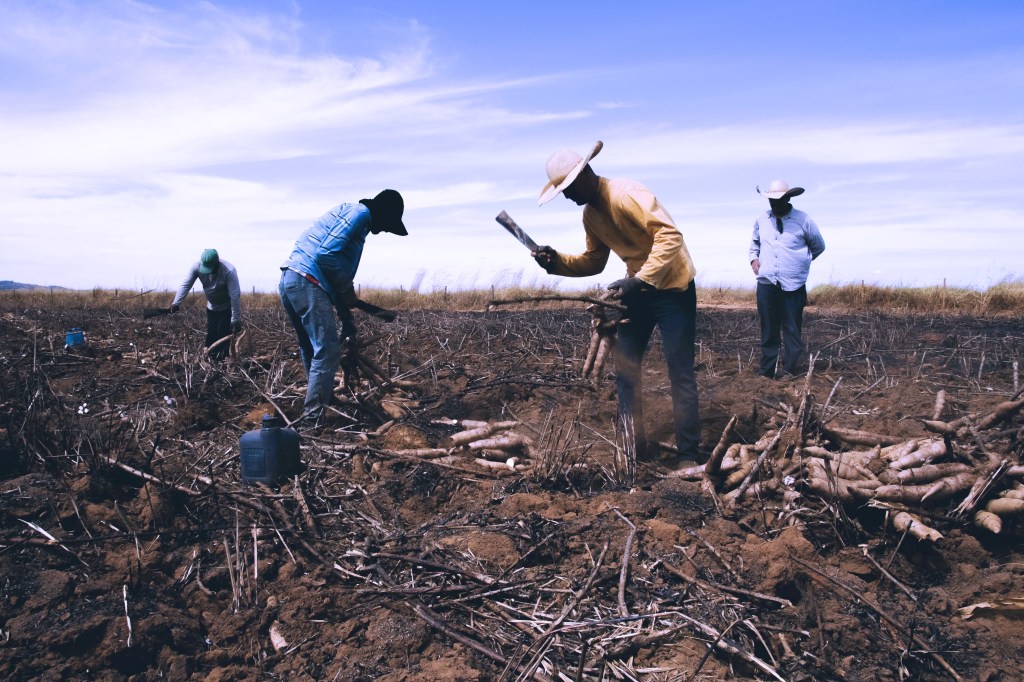
The context of my photos of rural workers harvesting in the interior of Brazil is quite different from the collectors of the classic paintings shown in the documentary by Agnès Varda, but even so I decided to make comparisons since I find similarities between these images because these rural workers repeat, daily, during the harvest period, the same scenes of having their ‘backs broken, eyes fixed on the ground’ in ‘repetitive and exhausting movements imposed by this hard work: lowering , pick up, lift’ being ‘supervised’, or controlled, also, as in Millet’s work, by one or more ‘inspectors’ of the bosses.
I can say that I am also part of this story because in my childhood – along with my brothers/sisters and cousins – I was a collector. My paternal grandfather and my father allowed (and encouraged) us to ‘pick up’ coffee after the normal period of the annual harvest in their small plantations. The product of this activity was sold, which yielded some money that was shared between us. It is even said that one of the cousins ’hidden’, surreptitiously, under the ‘skirt’ of some coffee trees, during normal harvests (in which we also actively participated), some good amounts of coffee which, later at the time of ‘ scavenger hunt’ was gallantly collected by all of us. Everything leads to the belief that both the grandfather and the father pretended that they did not know about this illicit maneuver.
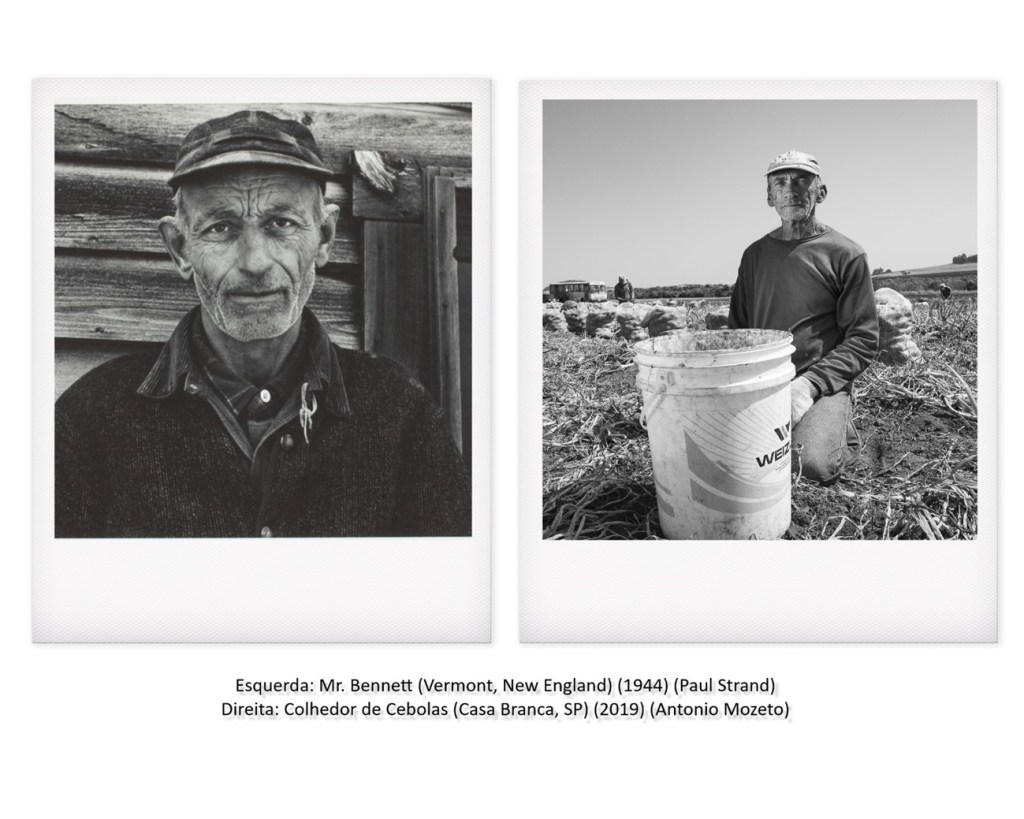
In the book “To understand a photograph” by John Berger (organized and introduced by Geoff Dyer and translated by Paulo Geiger) (in Brasil: Cia das Letras. São Paulo. 2017) (an authentic treatise on photography) I read and reread for some times (good things have to be tasted homeopathically) the ‘reading’ of the photo on the left from 1944 (taken three years before this scribe was born) by Paul Strand in Vermont, New England-USA, and what you can read there with all the lyrics impress me, move me a lot.
Says Berger of Strand’s work: “His best photographs are unusually dense – not in the sense of being overloaded or obscured, but in the sense of being filled with an unusual amount of substance per square centimeter. And all this substance becomes the essence of the object’s life. Take the famous portrait of Mr. Bennett. His jacket, his shirt, the beard on his chin, the wood of the house behind him, the air around him become, in this image, the very face of his life, of which his facial expression is the concentrated spirit.
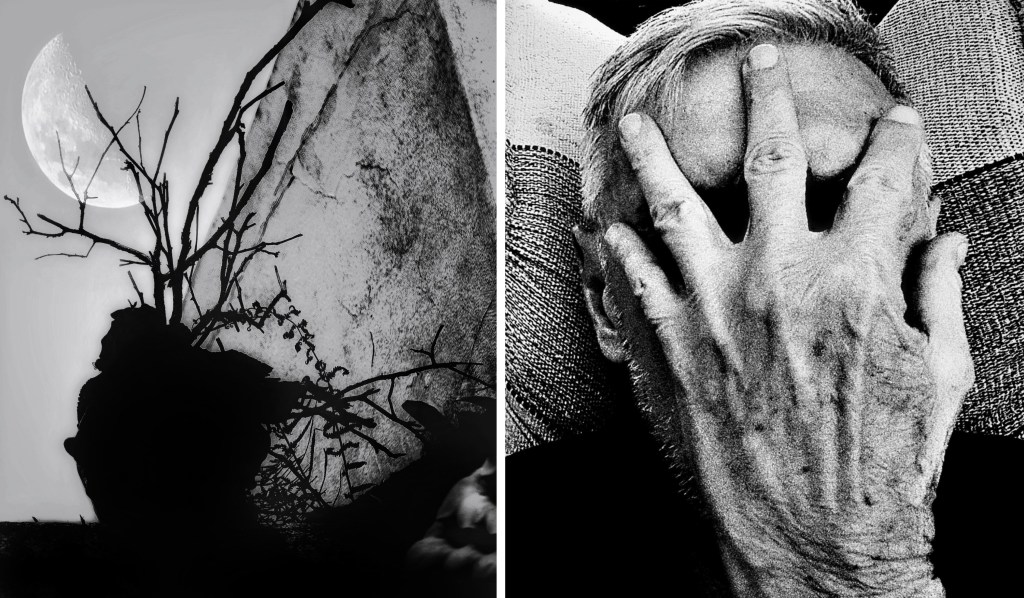
left: Mr. Bennett (Vermont, New England) (1944) (by Paul Strand) — right: Onion picker (Casa Branca, SP, Brasil) (2019) (by Antonio Mozeto)
The photo on the right that I took in 2019 of an onion picker in Casa Branca (SP) has a much more explicit surface given that the worker is in his own work environment. And, without due permission, but with due daring, ‘reading’ my photo, I make my own Berger’s words about Paul Strand’s photo in vogue: all the substance of the photo is in the expressive look of the worker, in a marked face by the hardships of hard work and in the properties of his surroundings: the harsh and striking light of the day in the middle of the day, the onion harvesting bucket, the bags of onions lined up behind him, two fellow workers and the bus that brings him very early for the harvest and takes him back home at the end of another day of this person’s hard day’s work.
As well said by Berger (opera citato) “in the relationship between photography and words, the former craves an interpretation, and words usually supply it. Photography, irrefutable as evidence but weak in meaning, gains meaning from words.
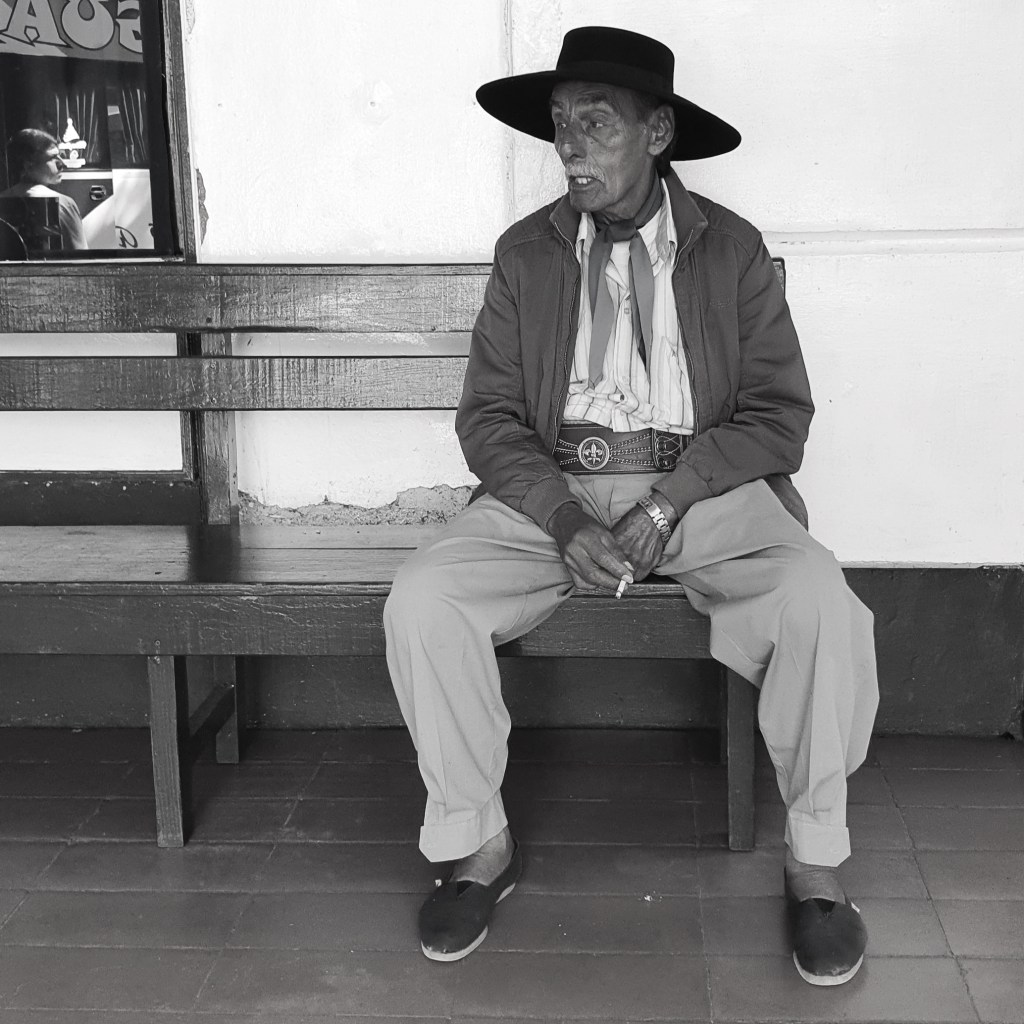
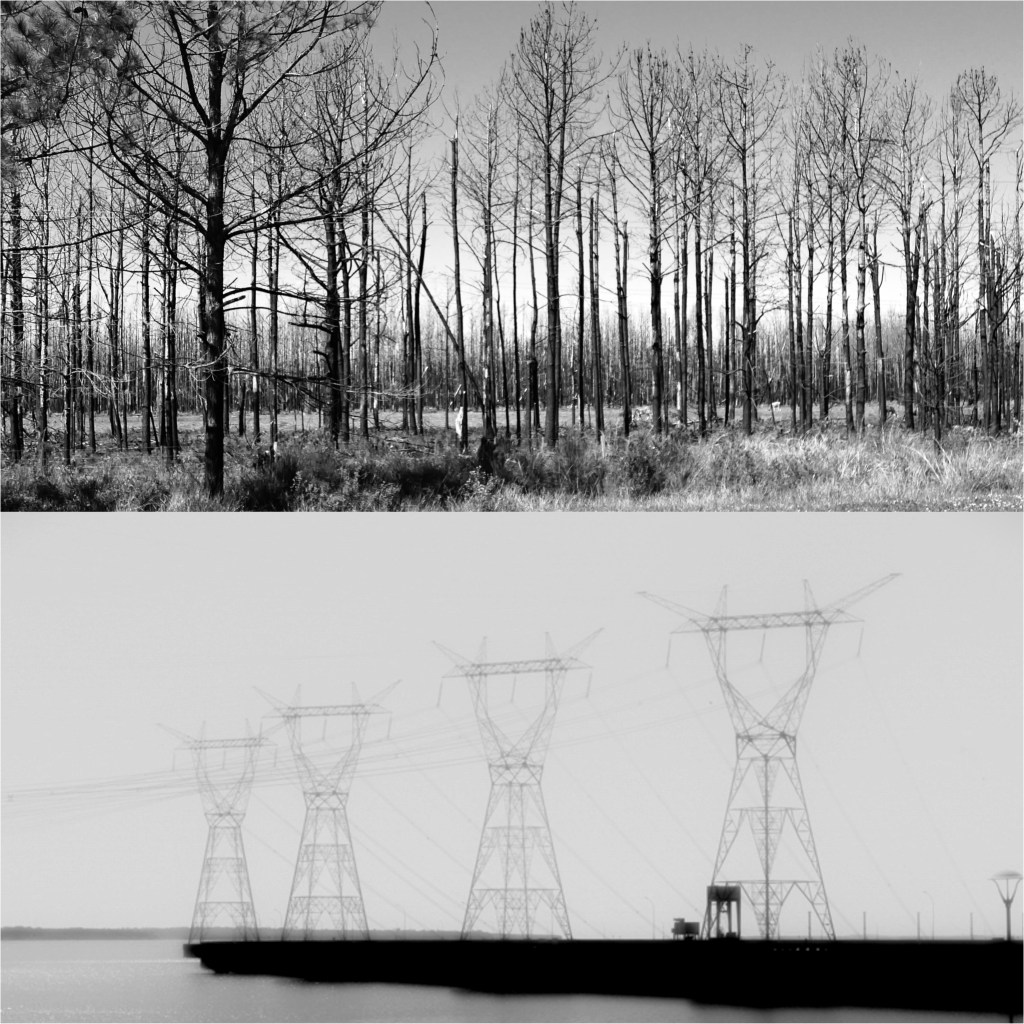
…back on the road…the longing was immense…this time through the interior of northeastern Argentina in a region that I knew little about…
New topographics – Corbélia, PR-Brasil.Portrait of a typical Gaucho – Ituzaingó, Corrientes- Argentina.Top: result of intense forest fires ocurred in 2021 in Corrientes Province, Northeast Argentina. Bottom: Hydroelectric Itaipu, PR-Brasil.Abandoned gas station, Posadas, Misiones, Argentina.








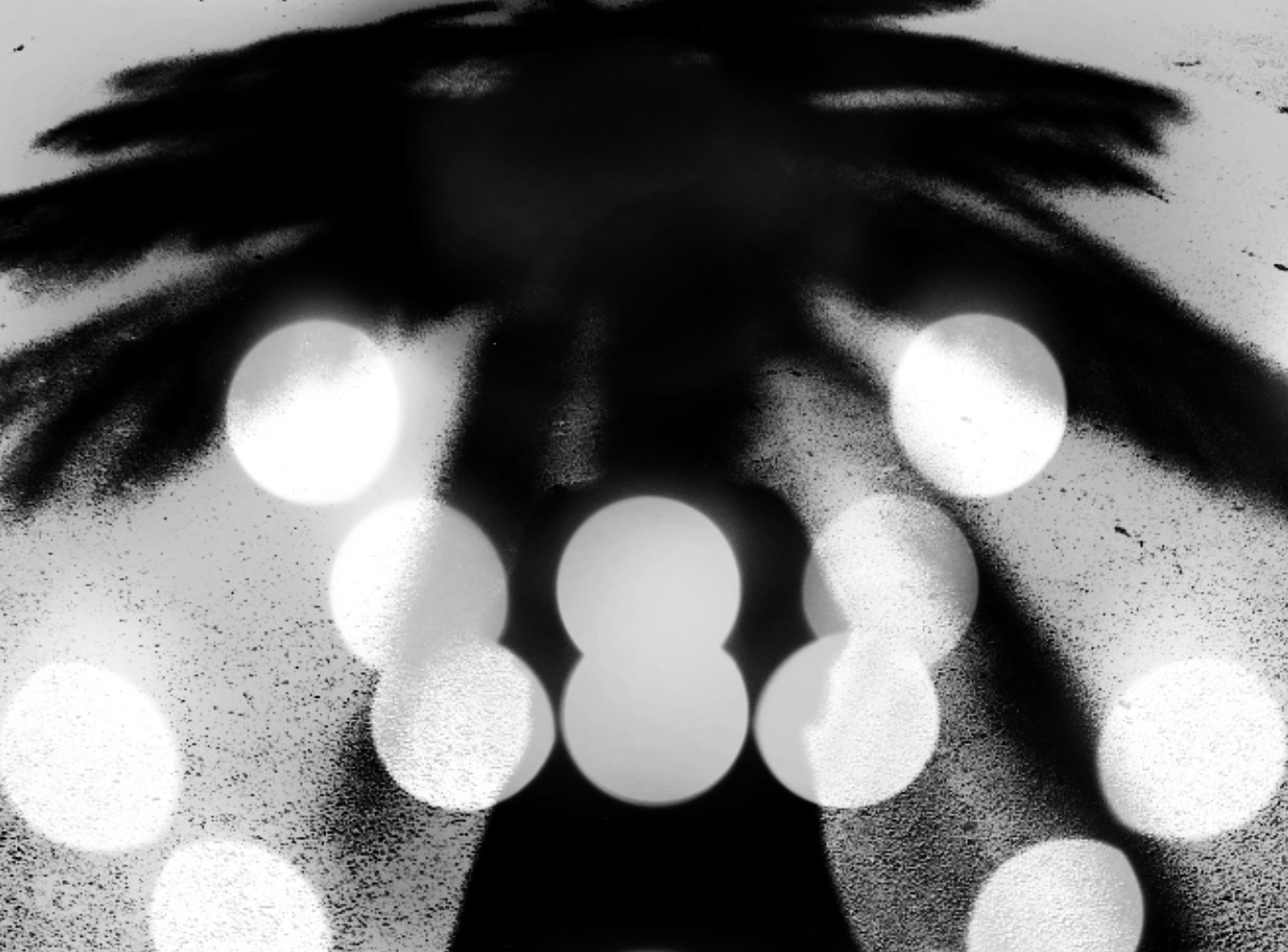
![[(my)self portraited]](https://antoniomozetophotography.com/wp-content/uploads/2022/04/retrato-liberdade-6-sampa-lumix-fev19-1.jpg?w=924&h=0&crop=1)

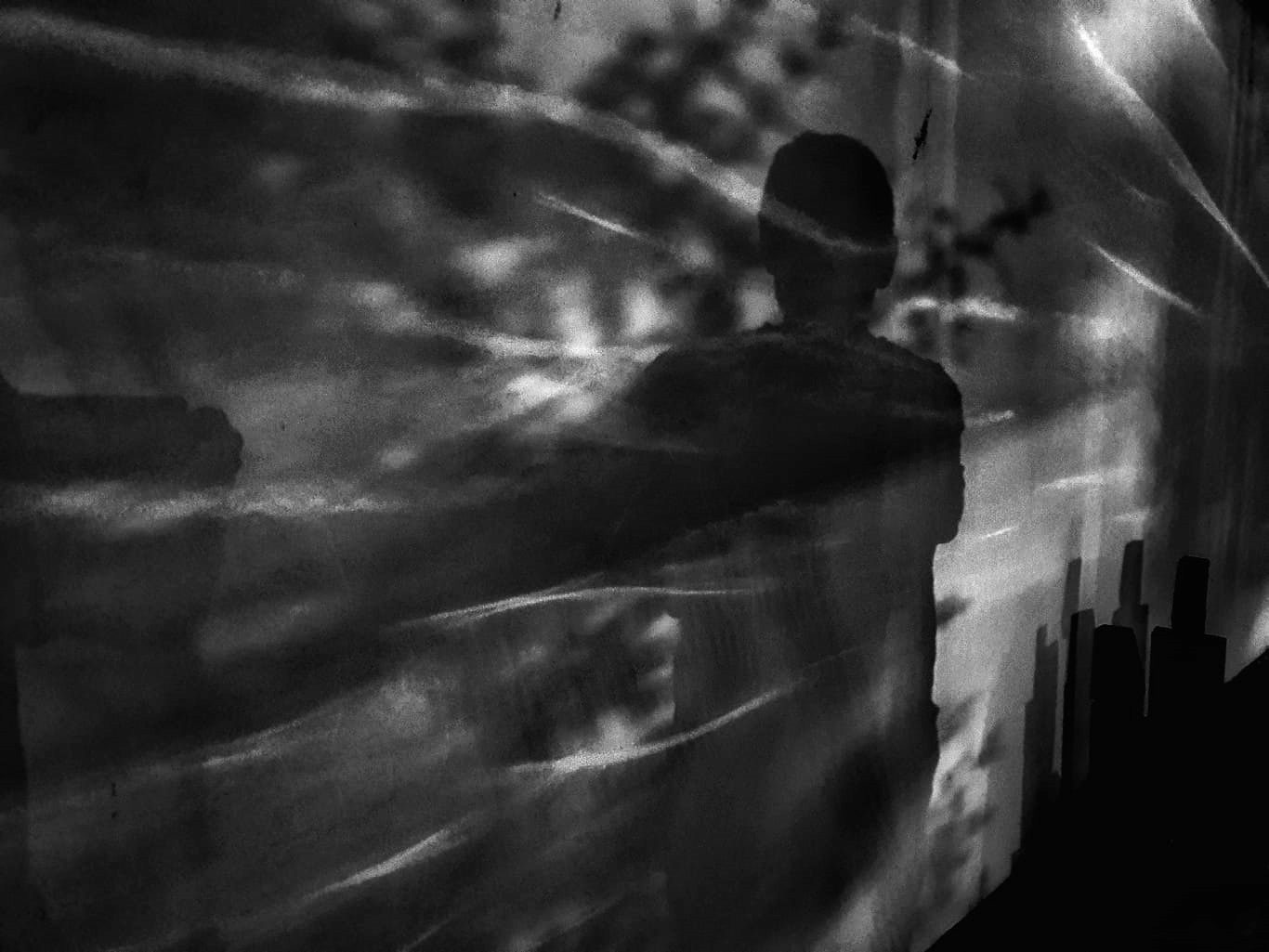
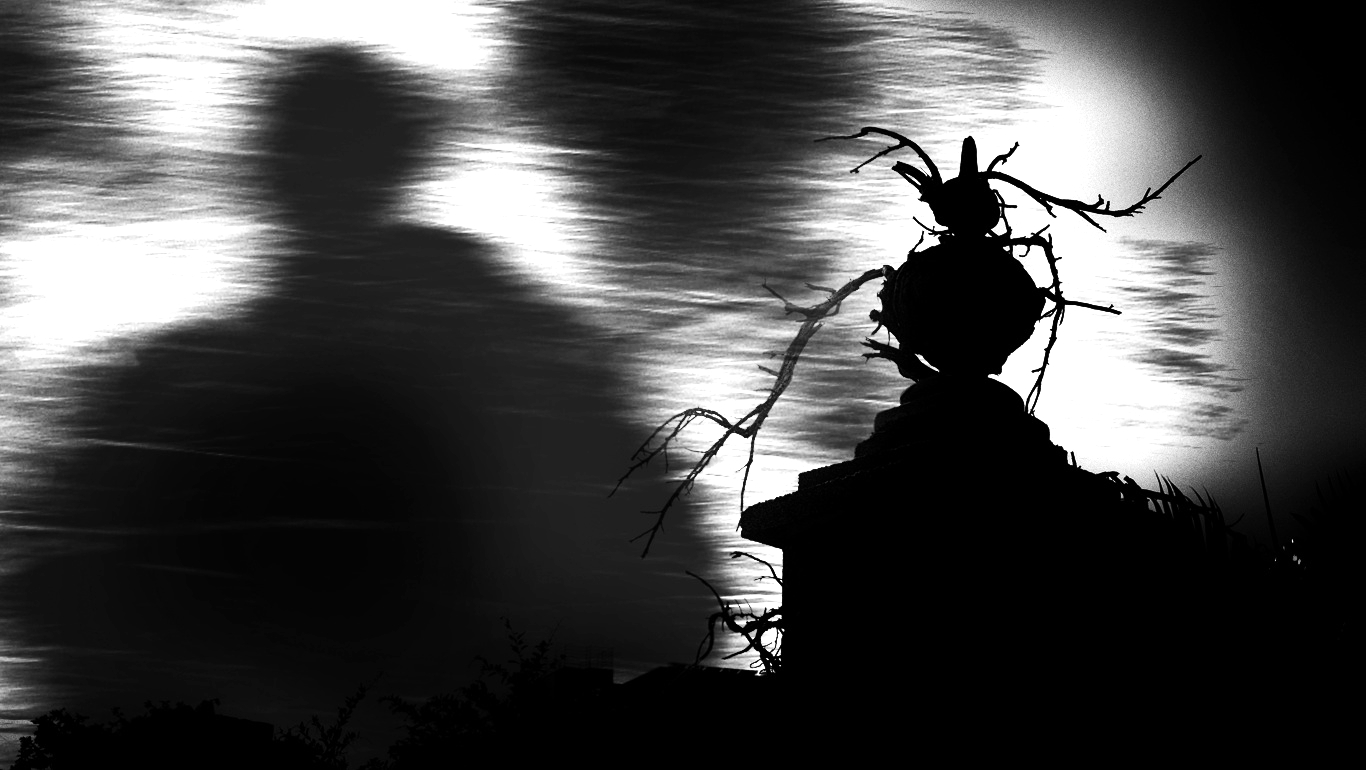





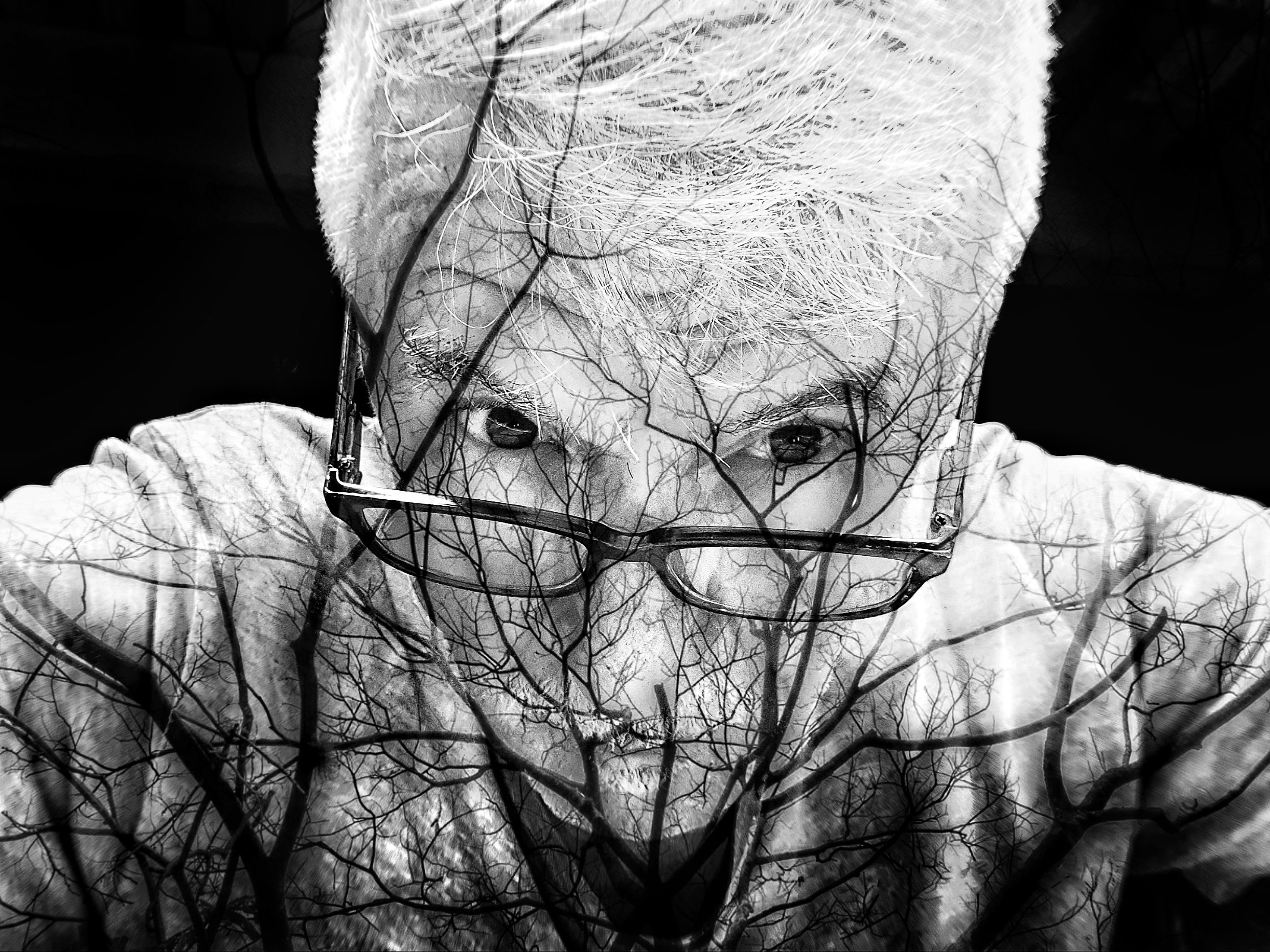


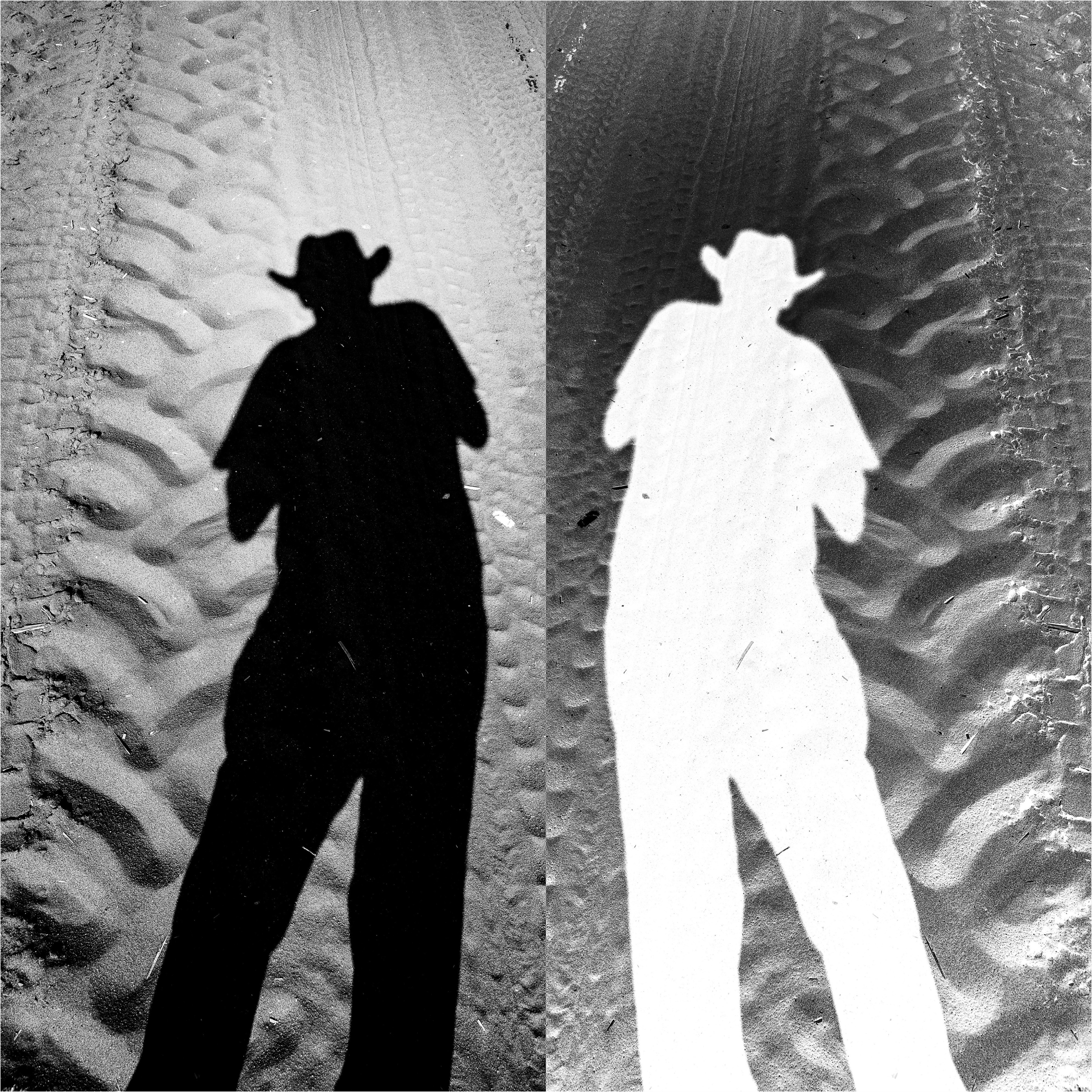

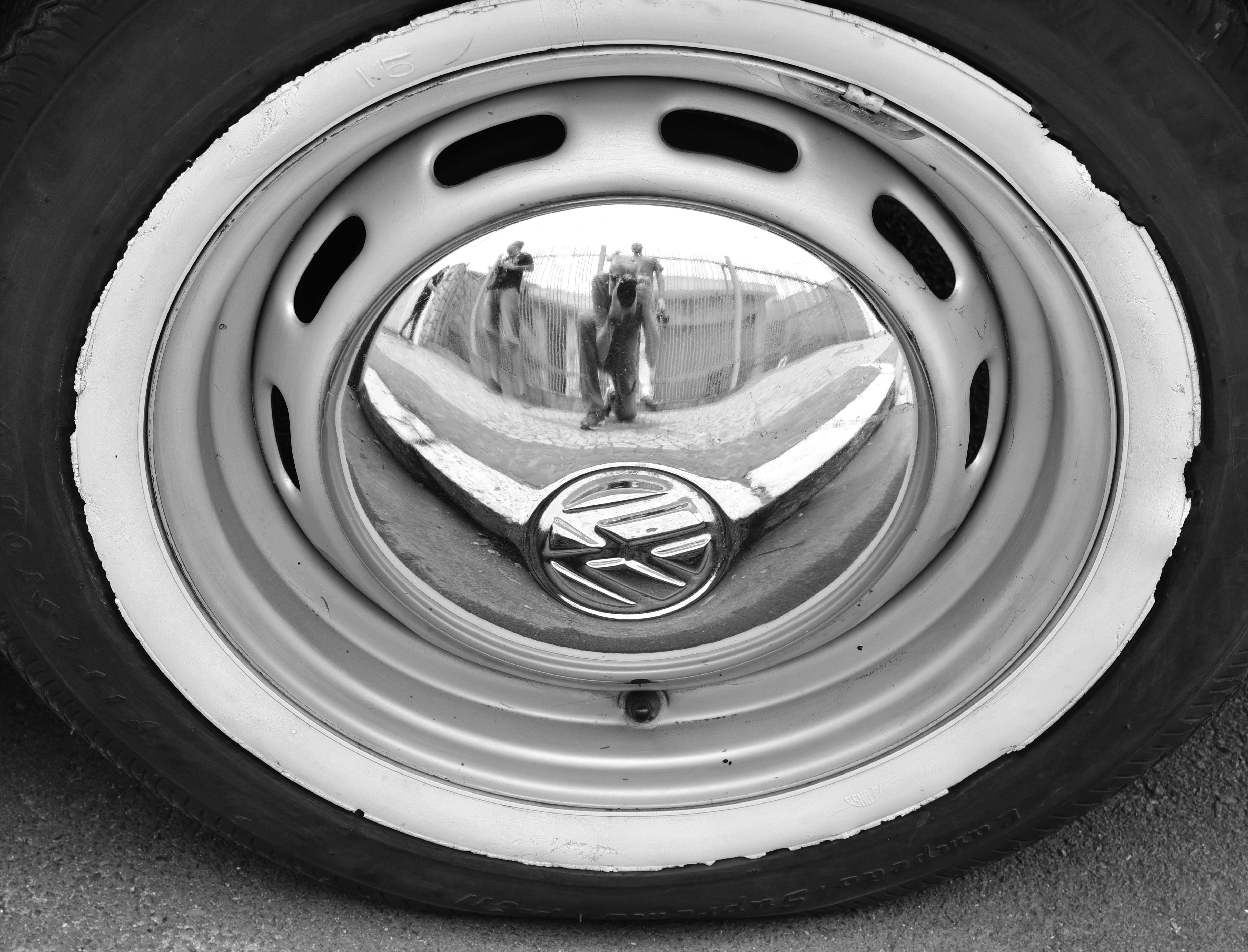
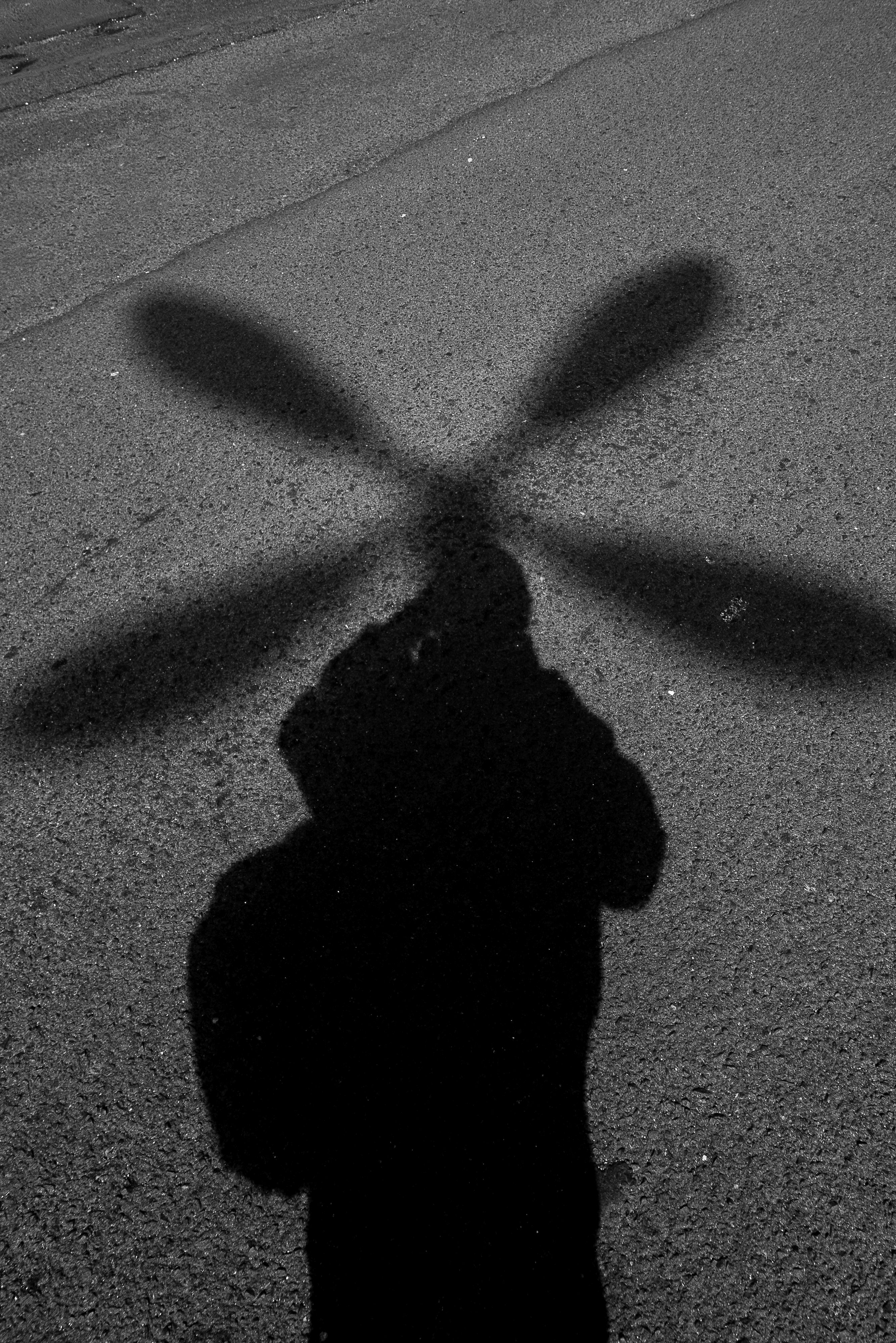
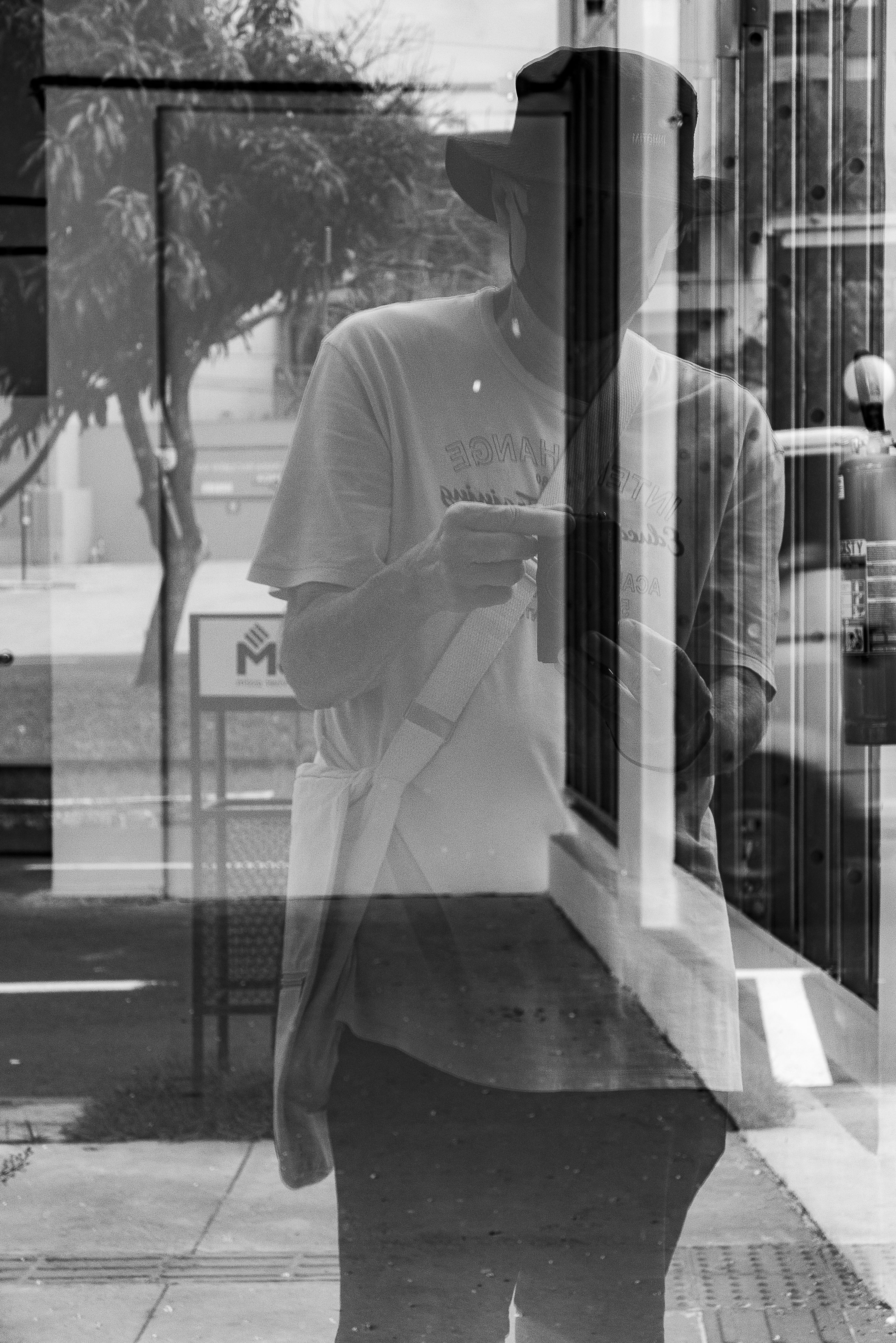
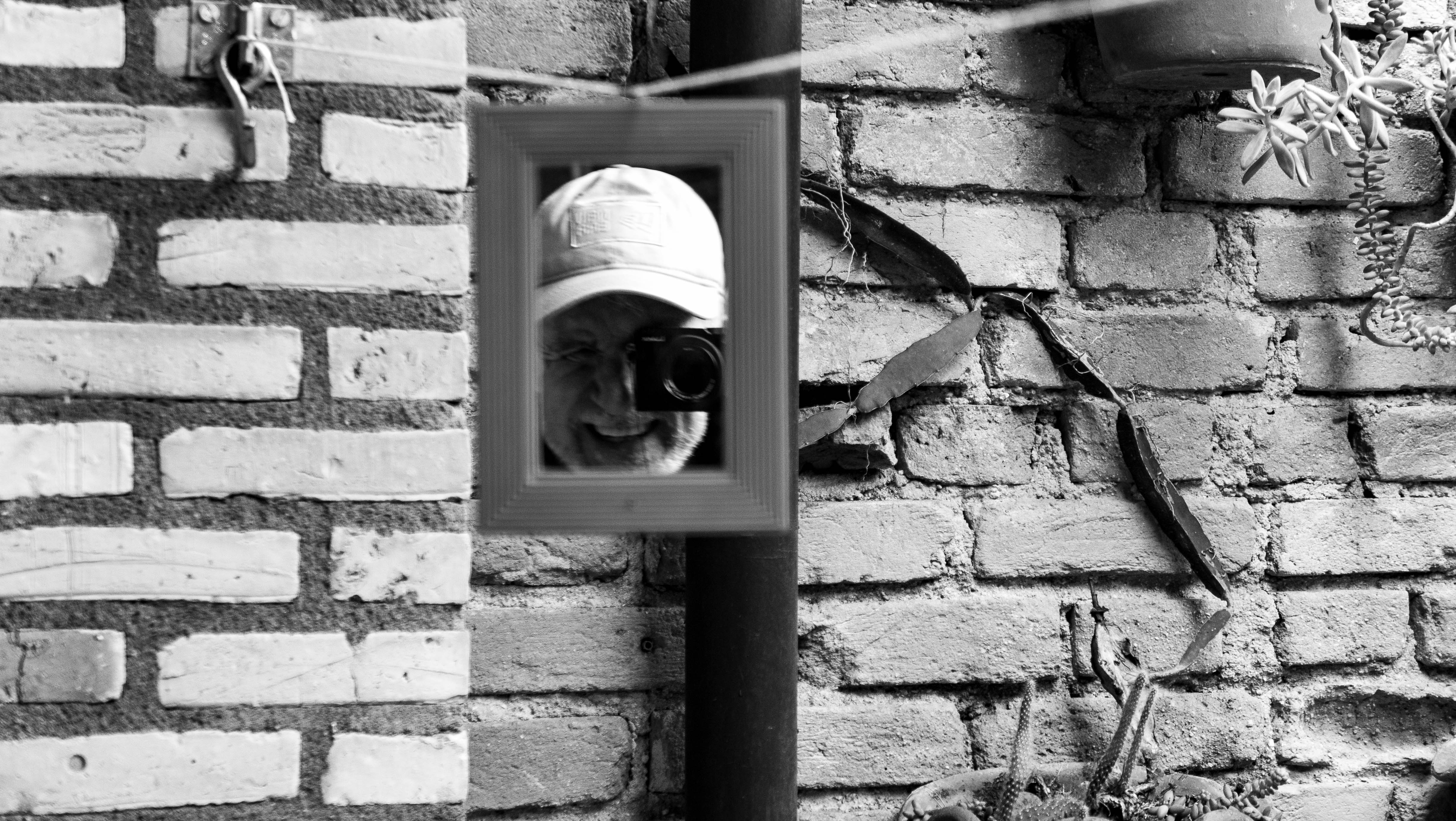
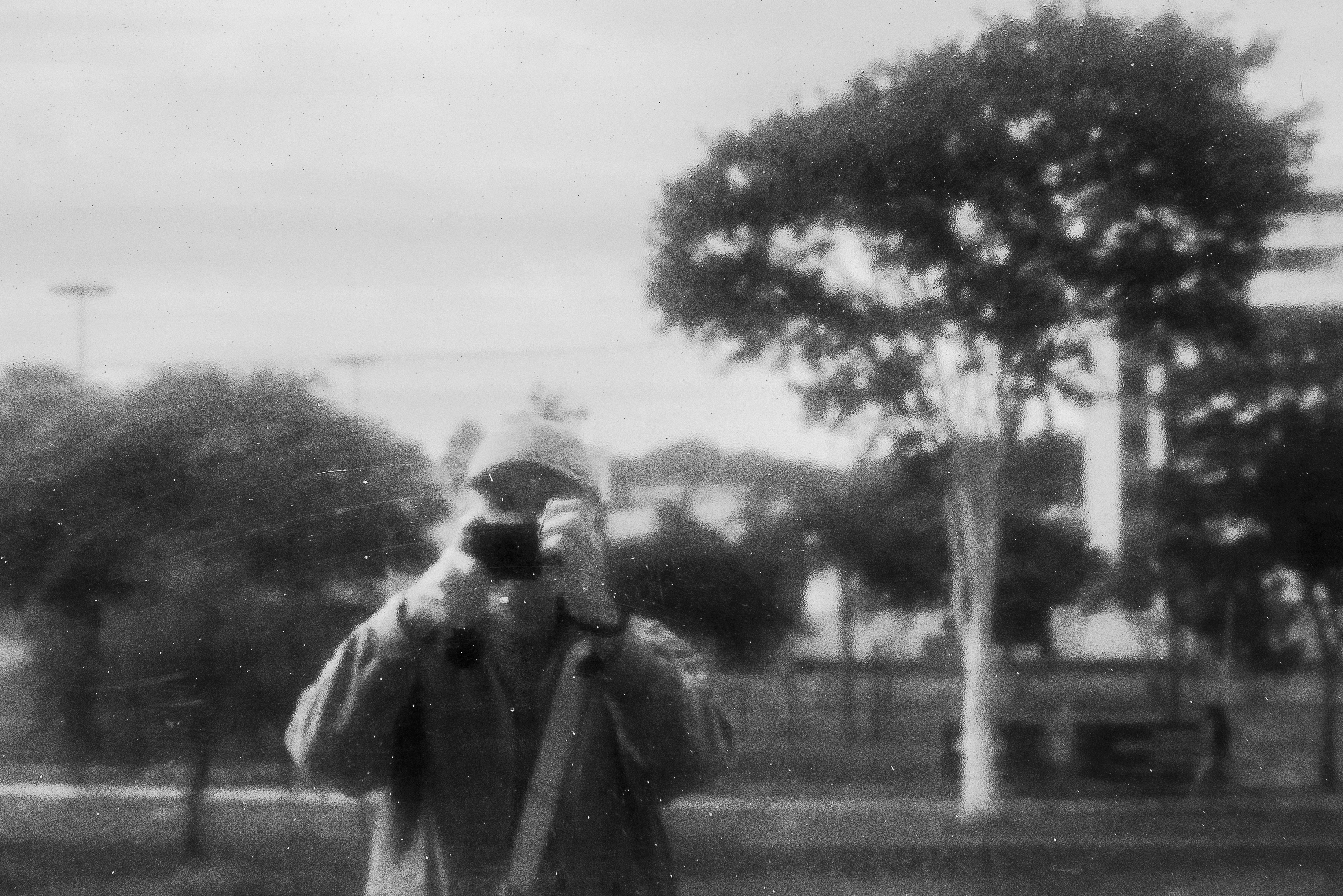
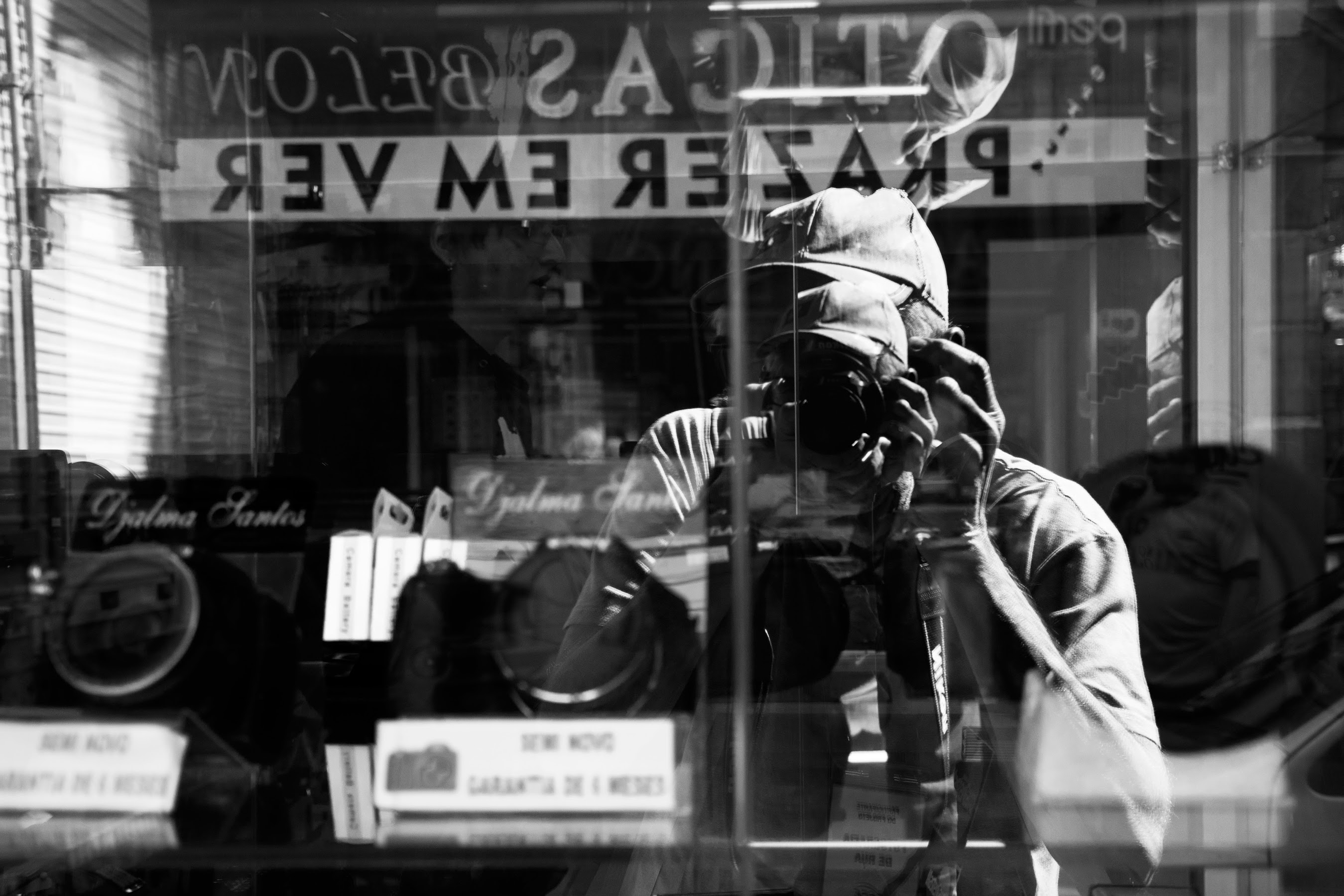
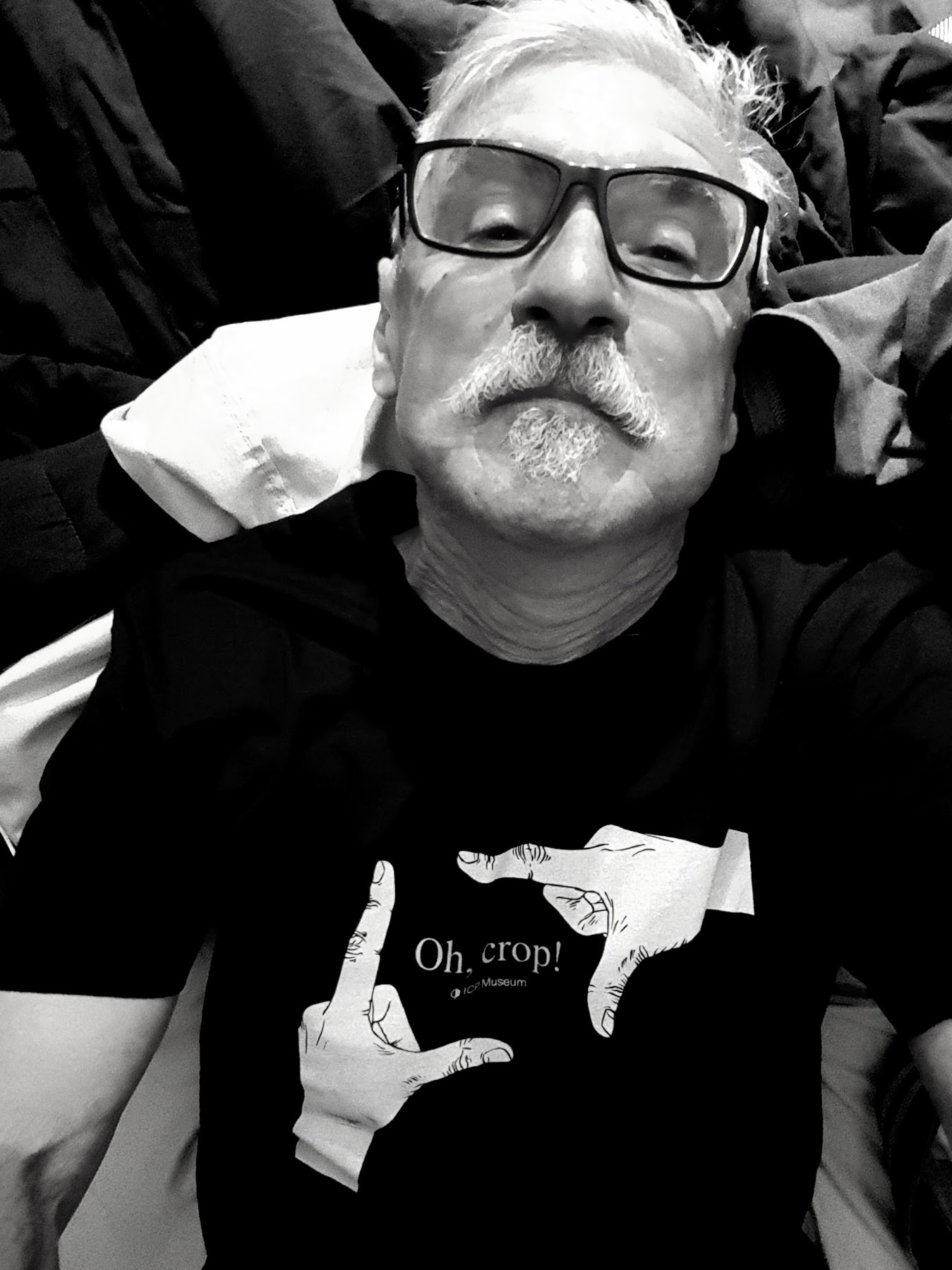


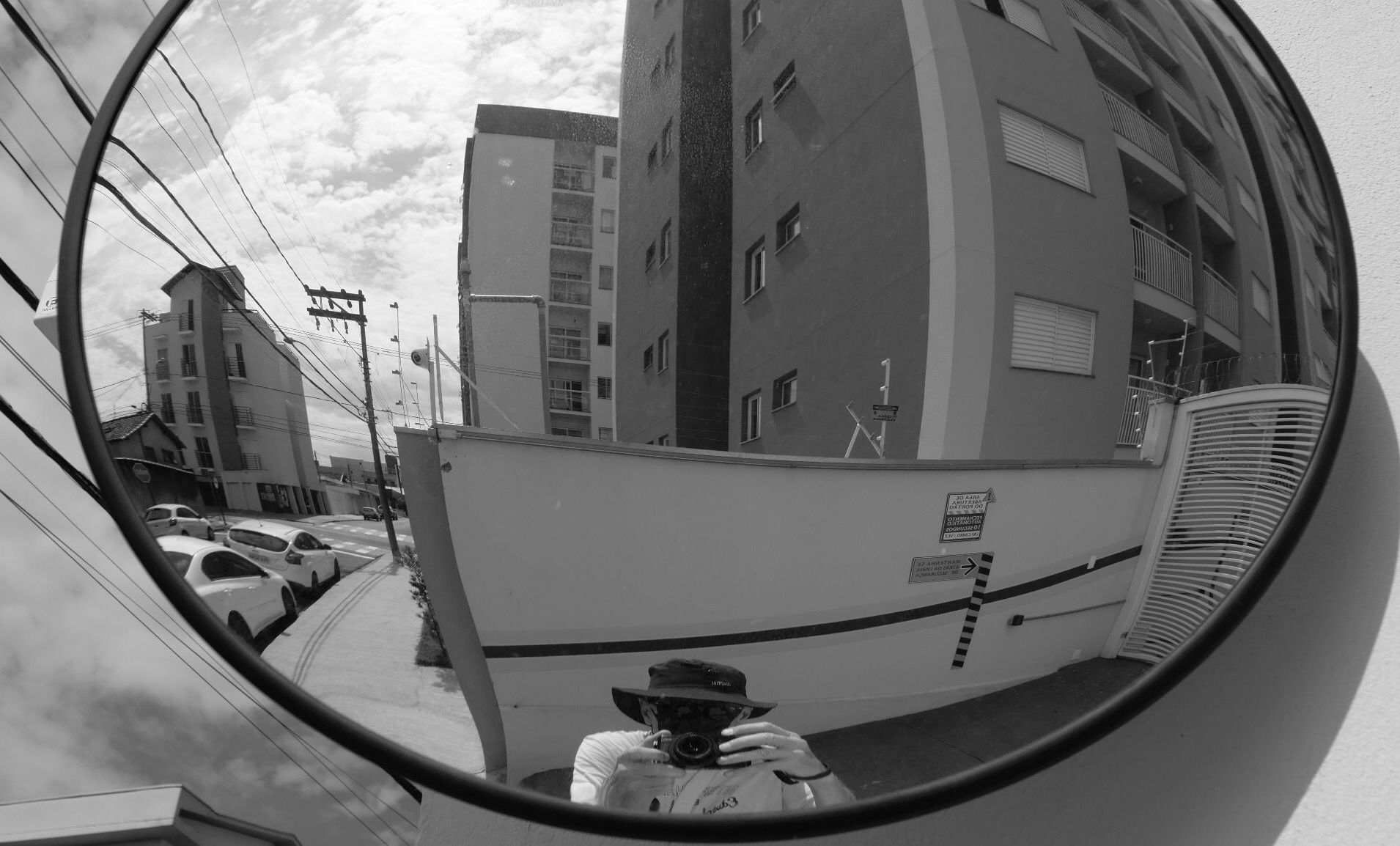

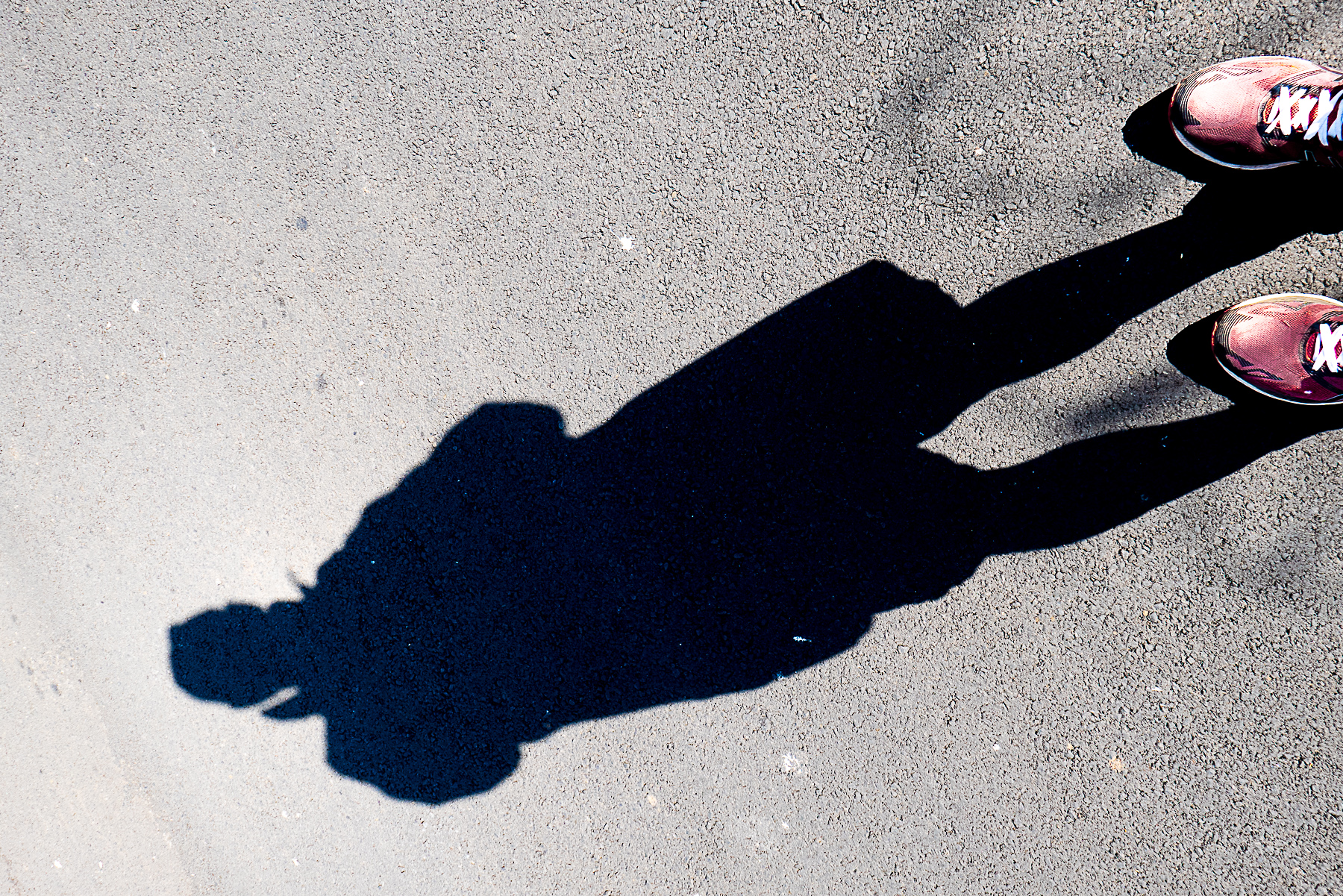
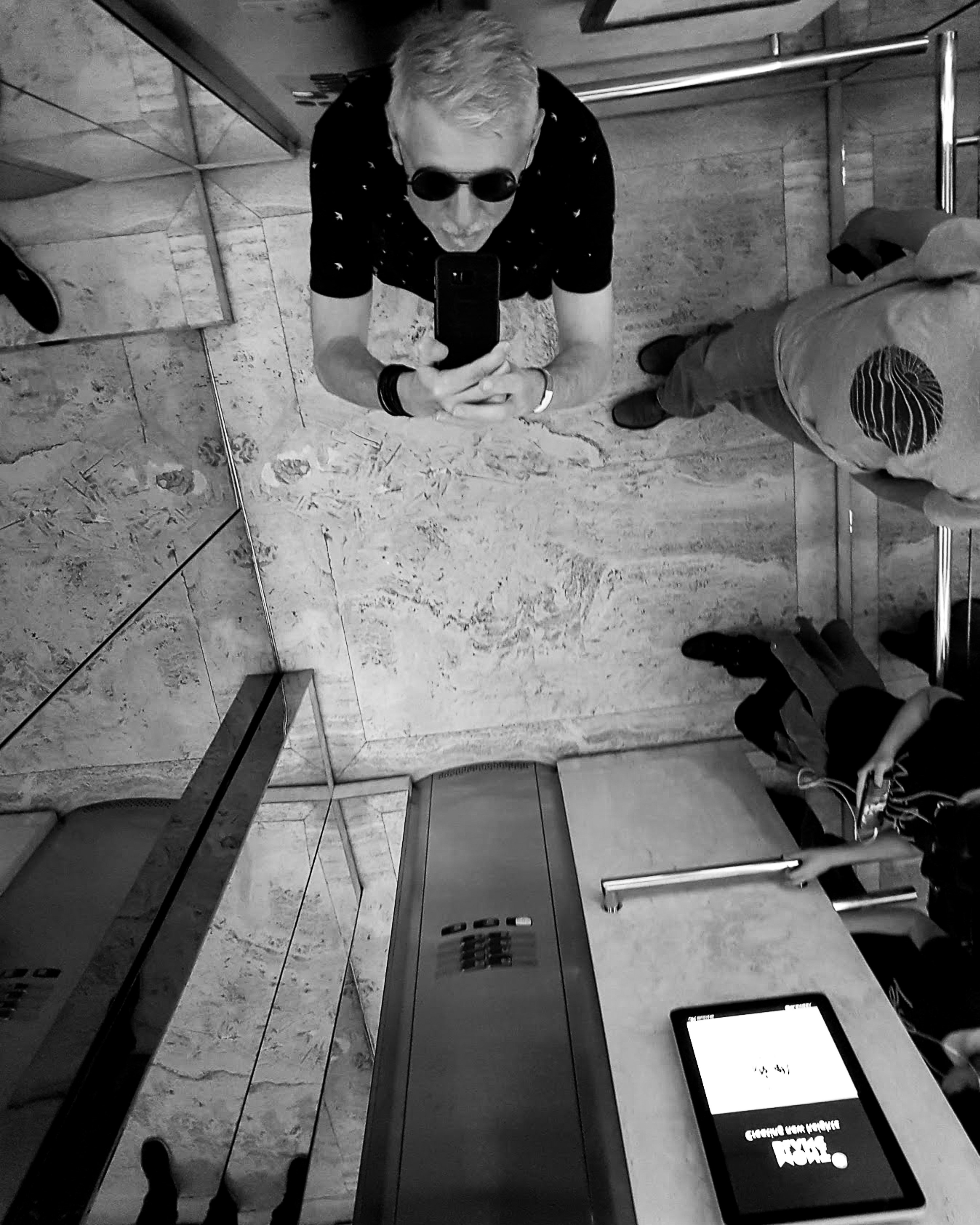
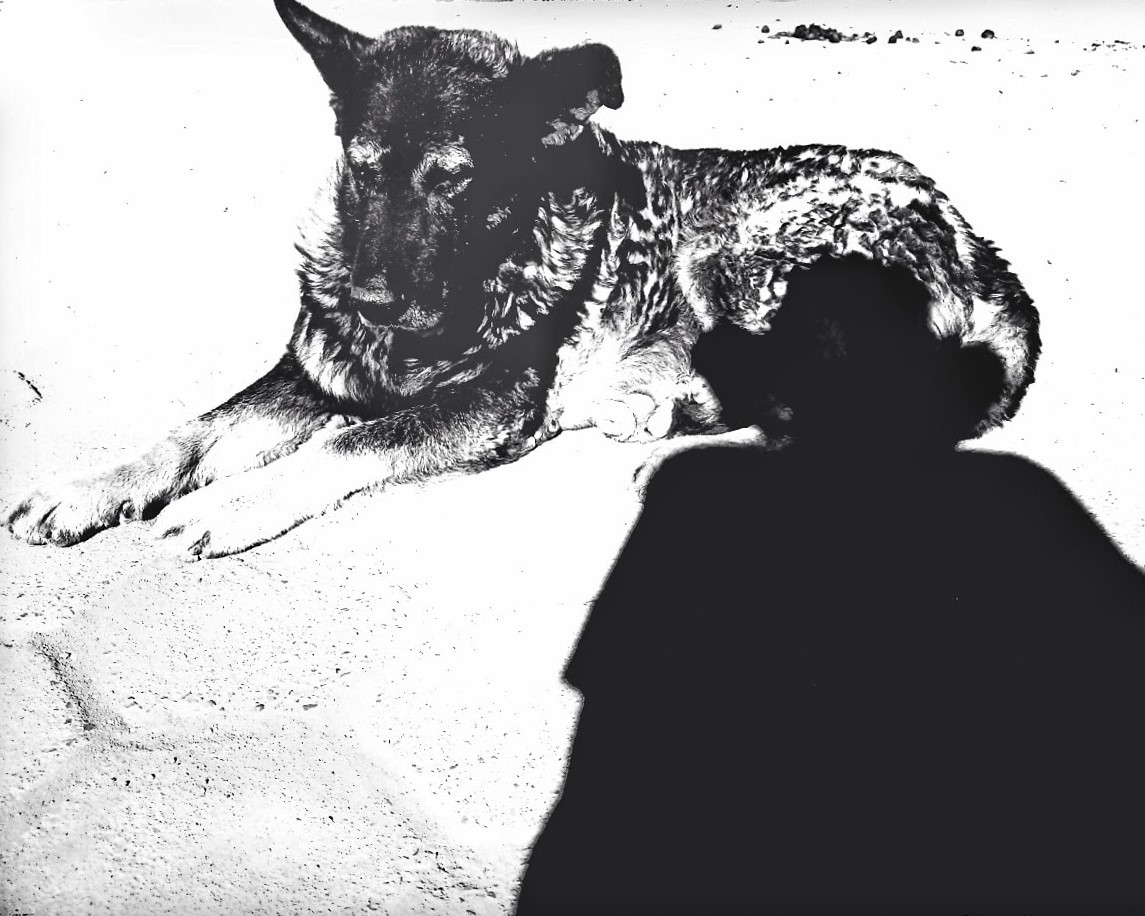
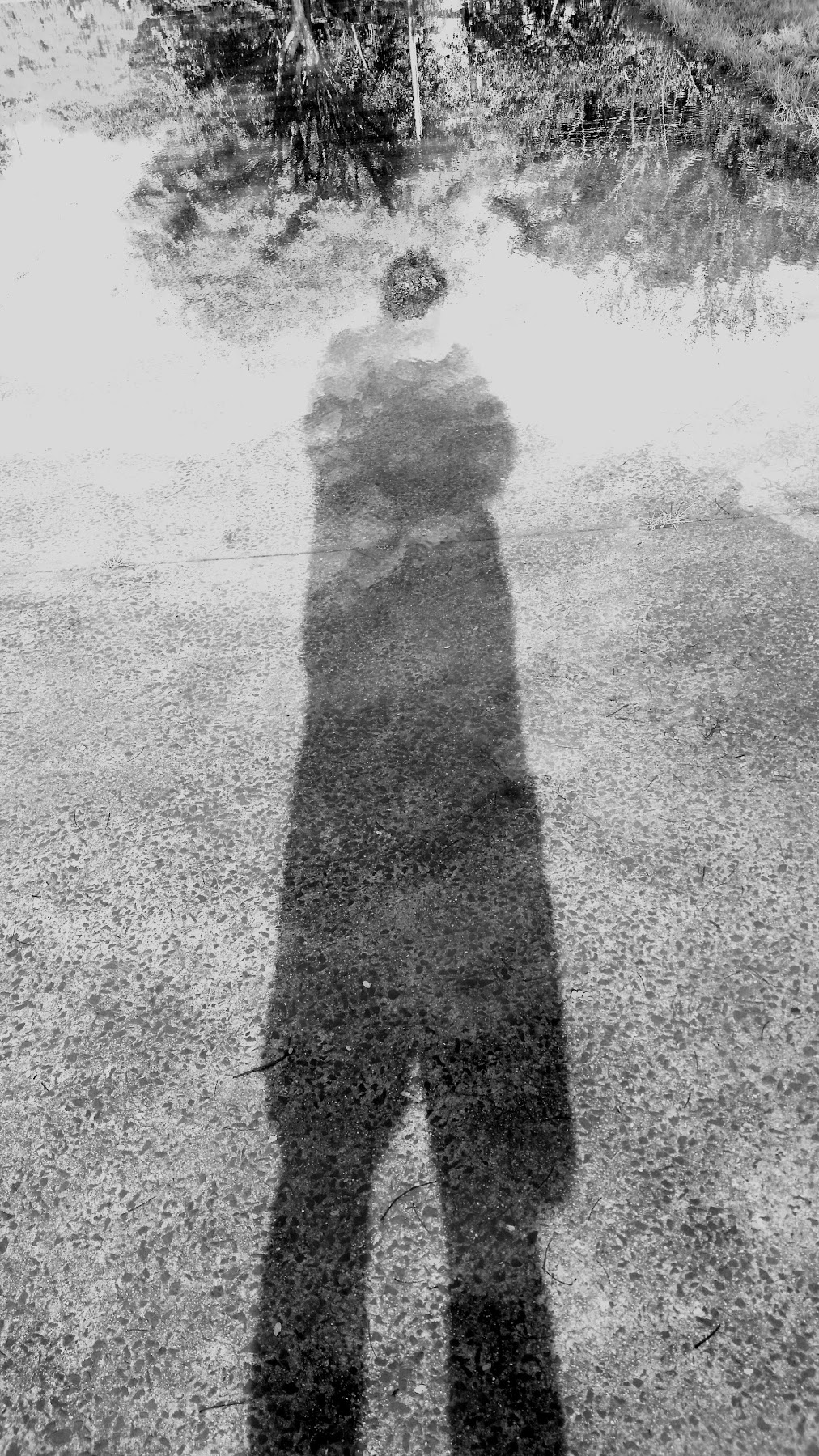
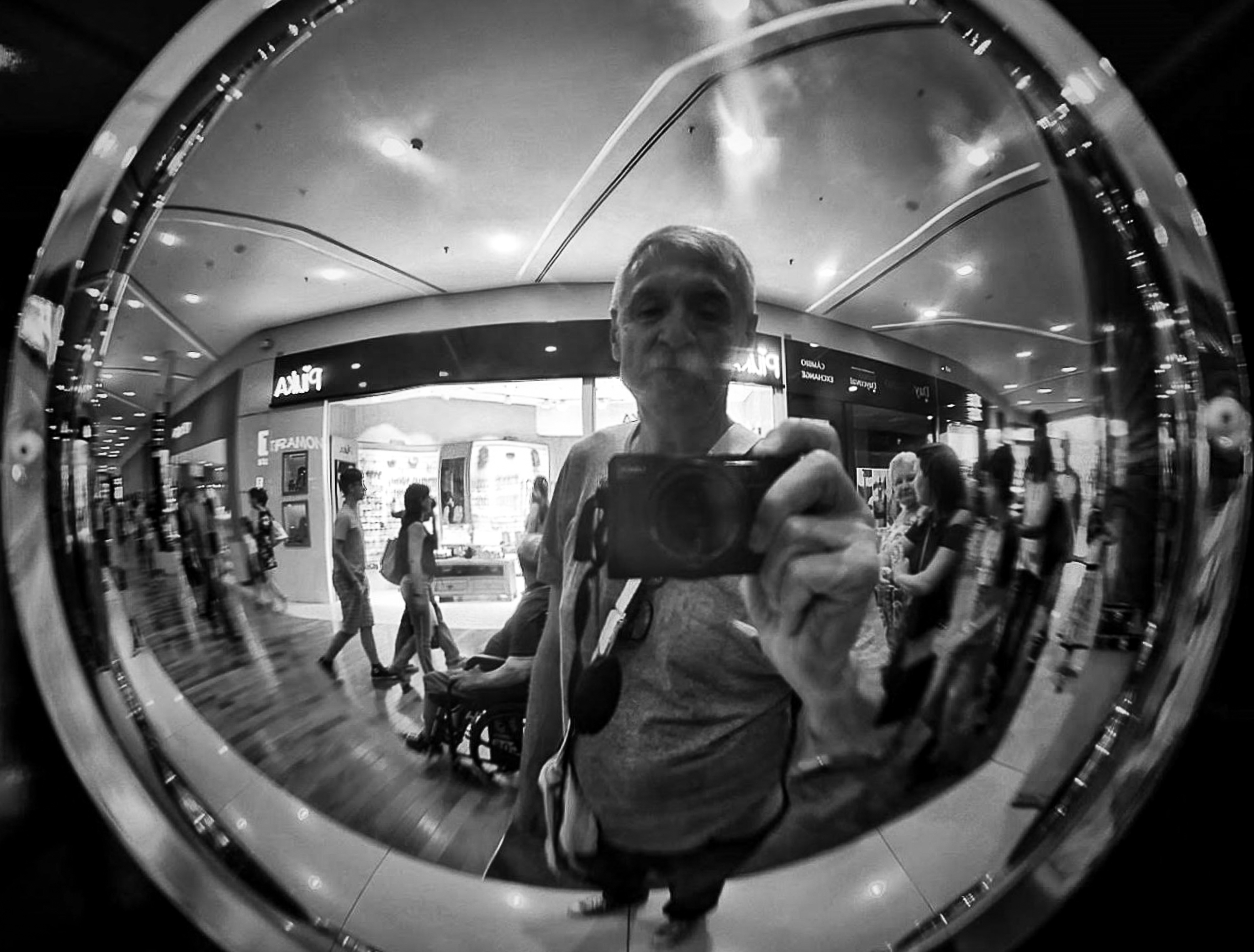
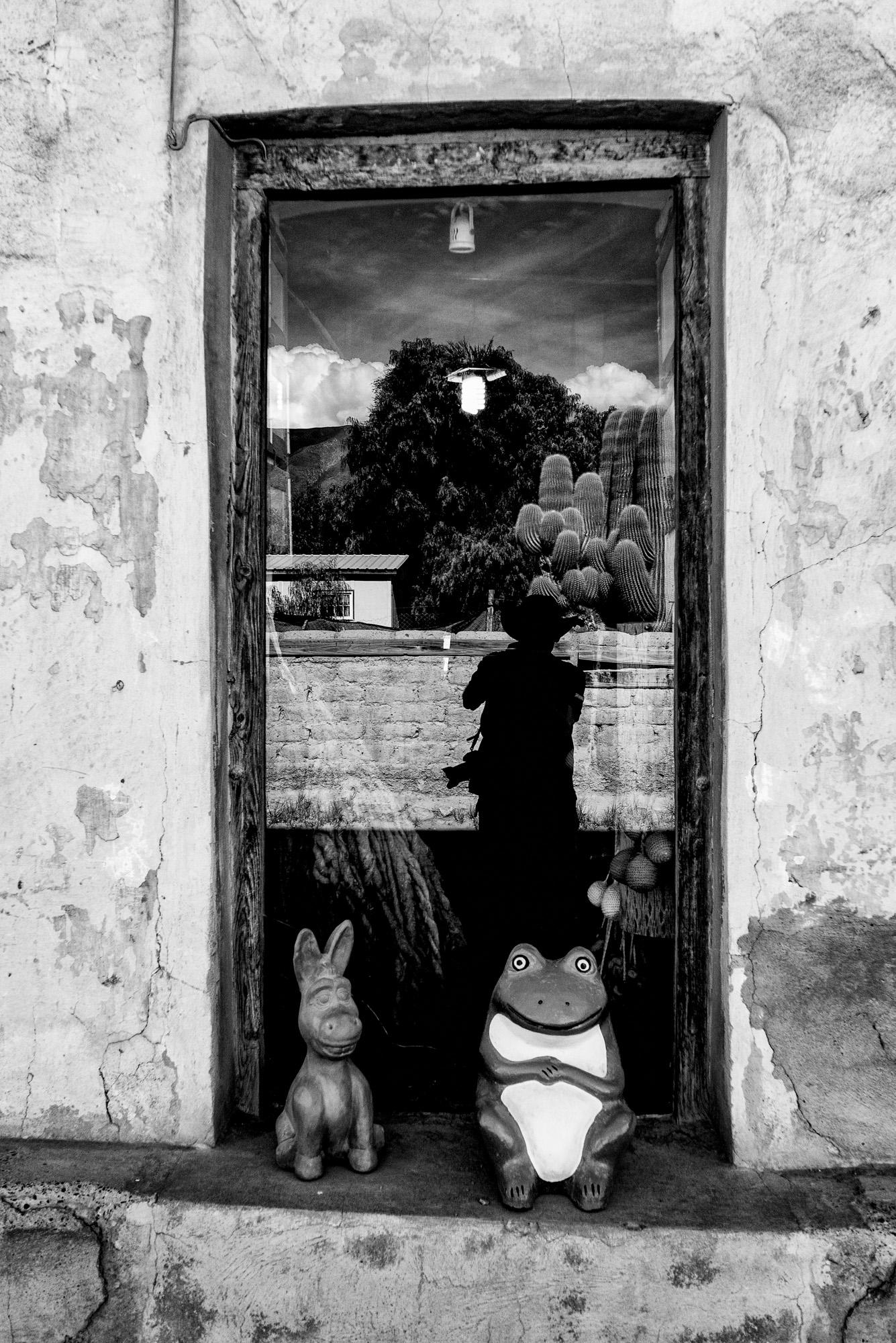
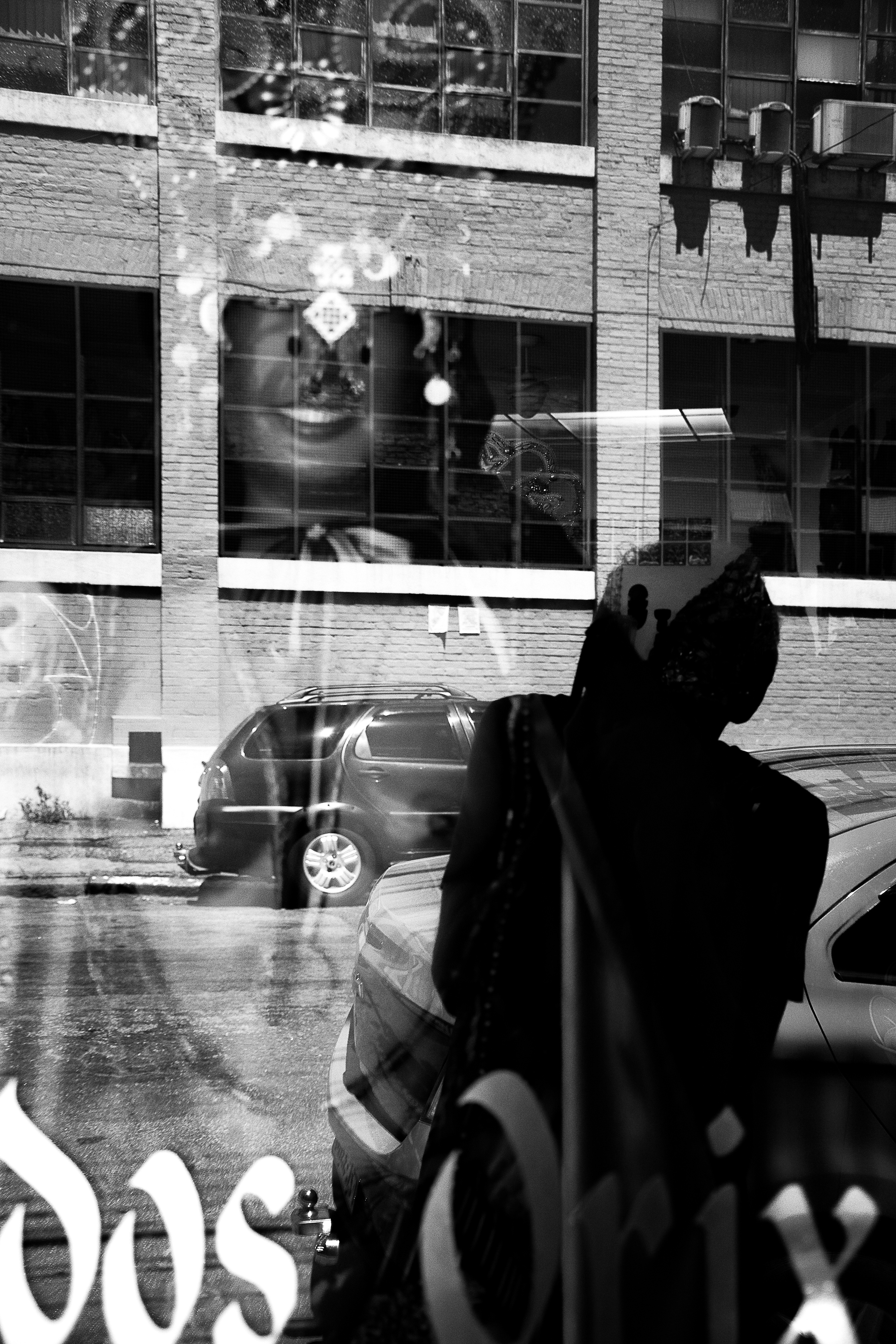

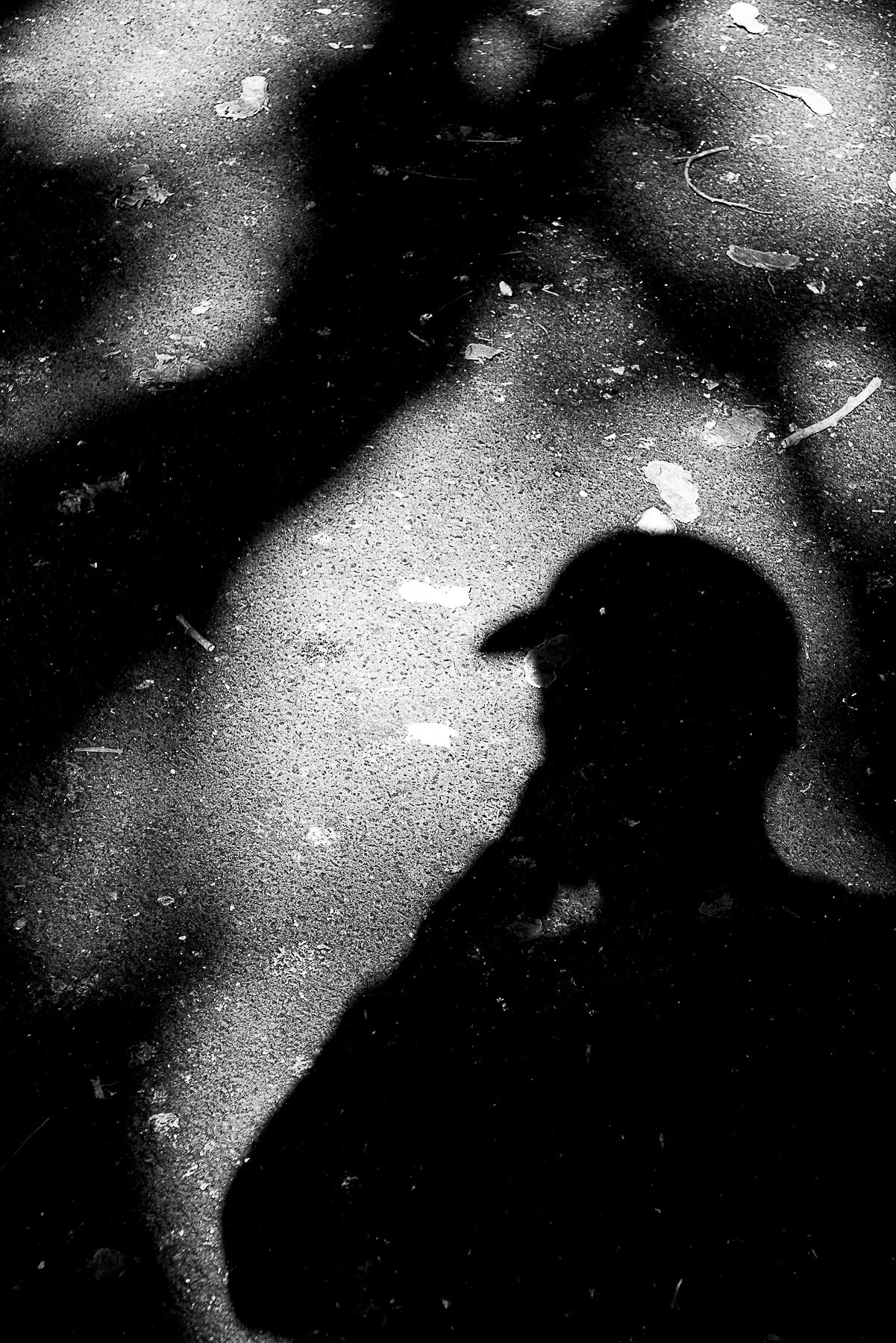
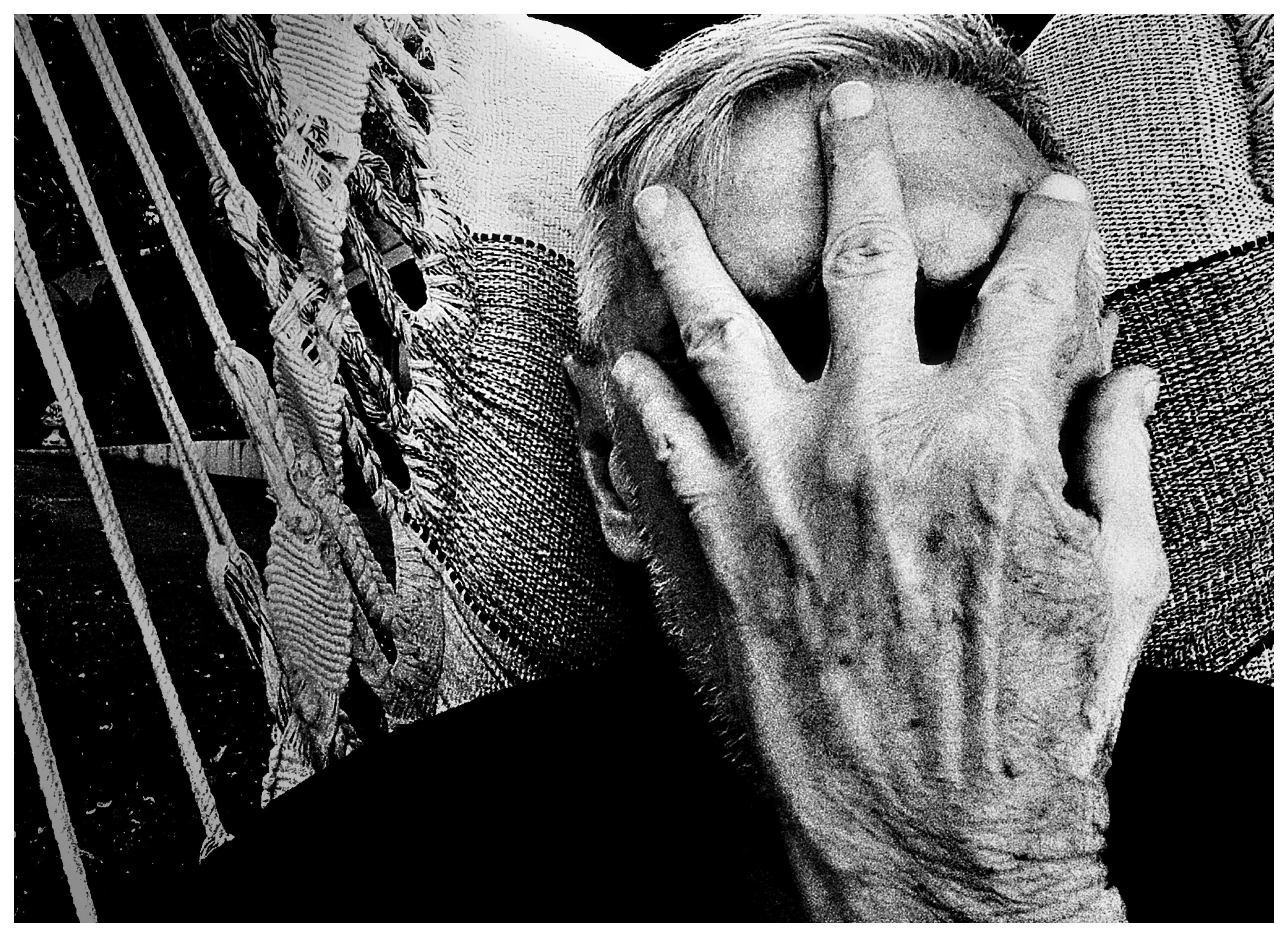

![[hitting the road again]](https://antoniomozetophotography.com/wp-content/uploads/2022/04/p1024385.mp4_snapshot_00.01.001sz.jpg?w=924&h=0&crop=1)
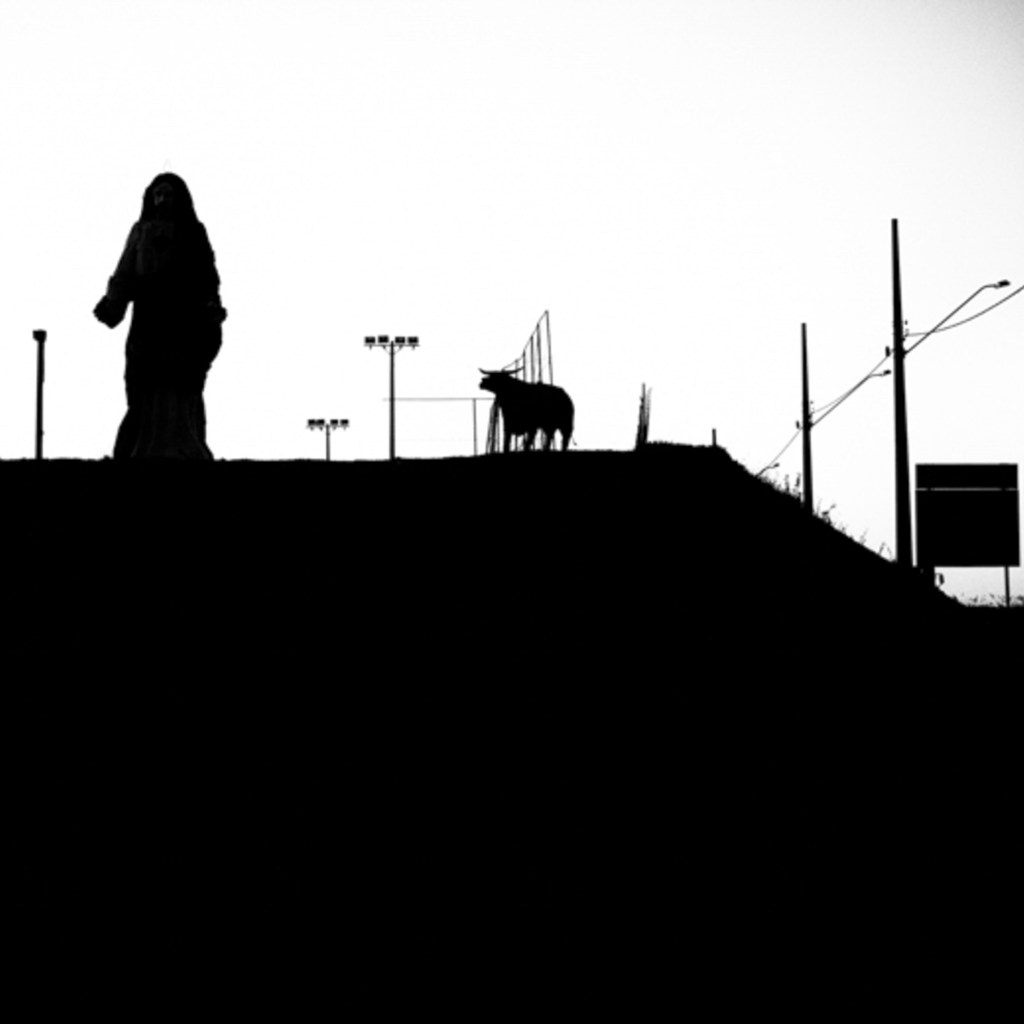

 Antonio Mozeto