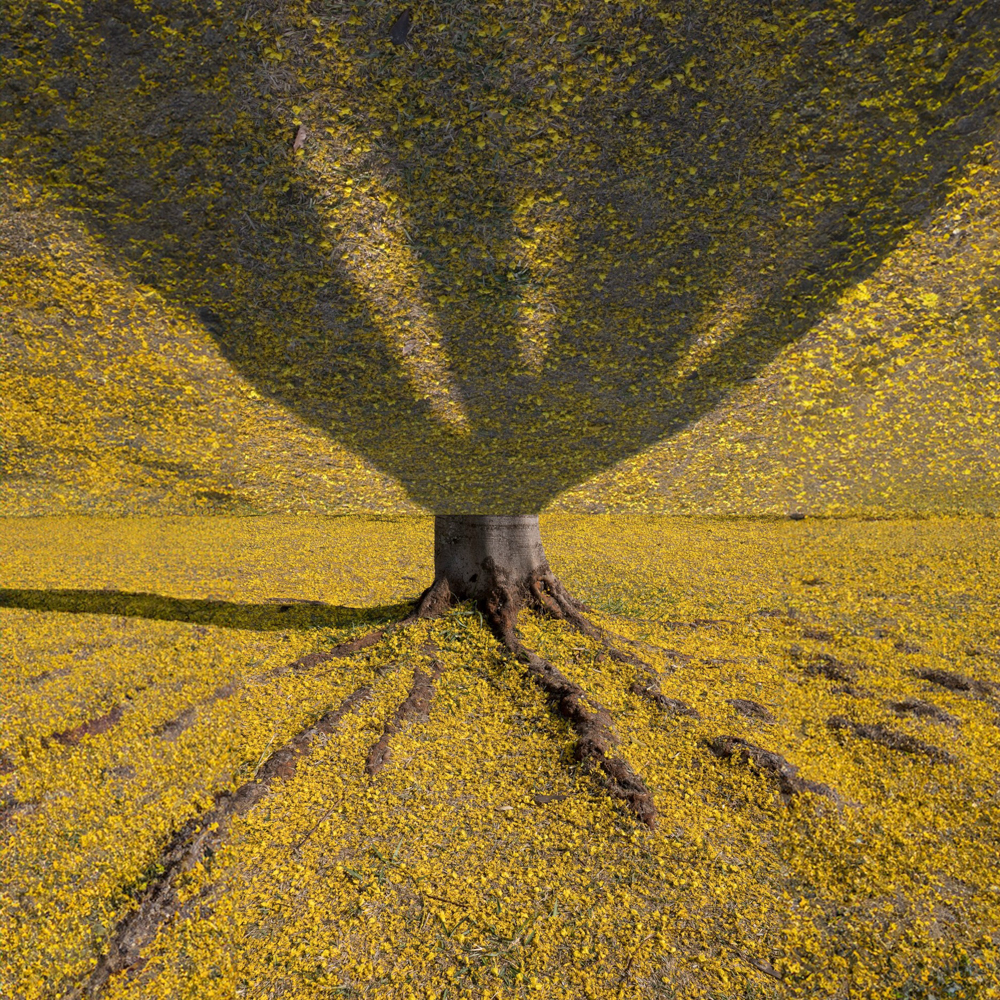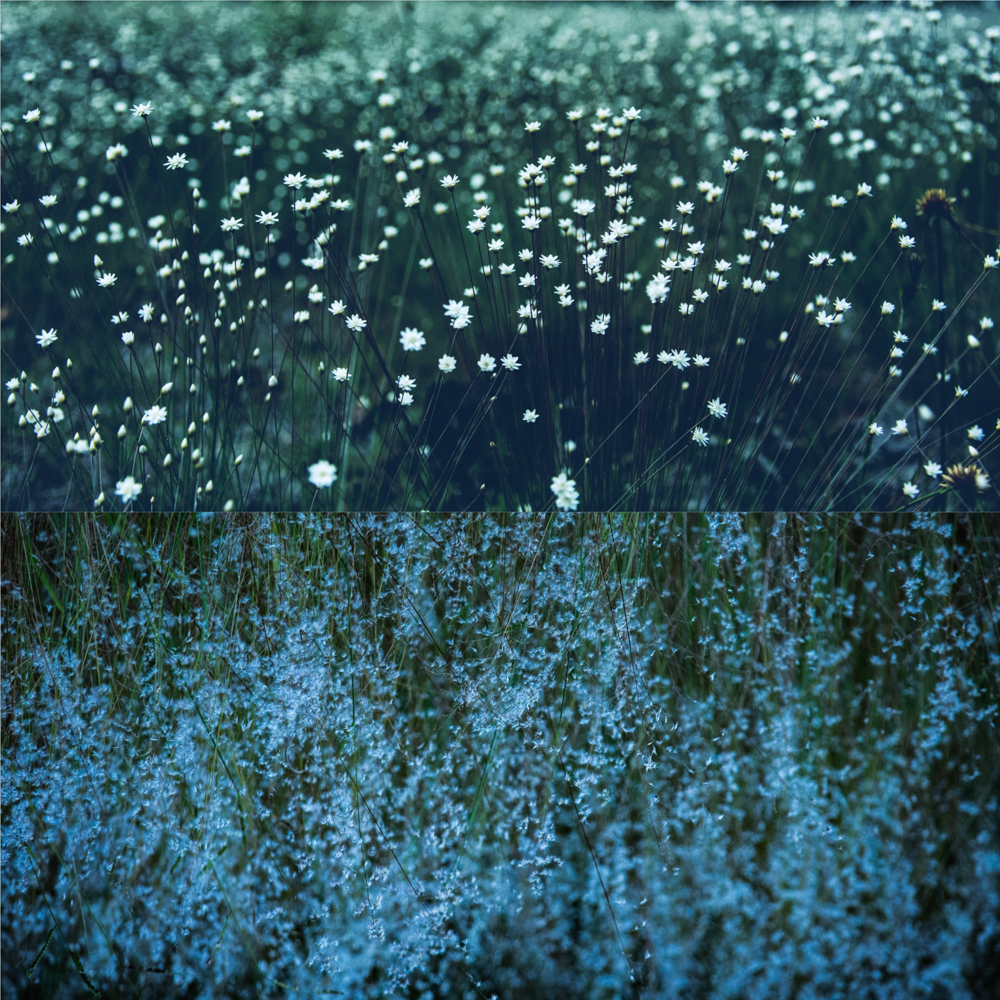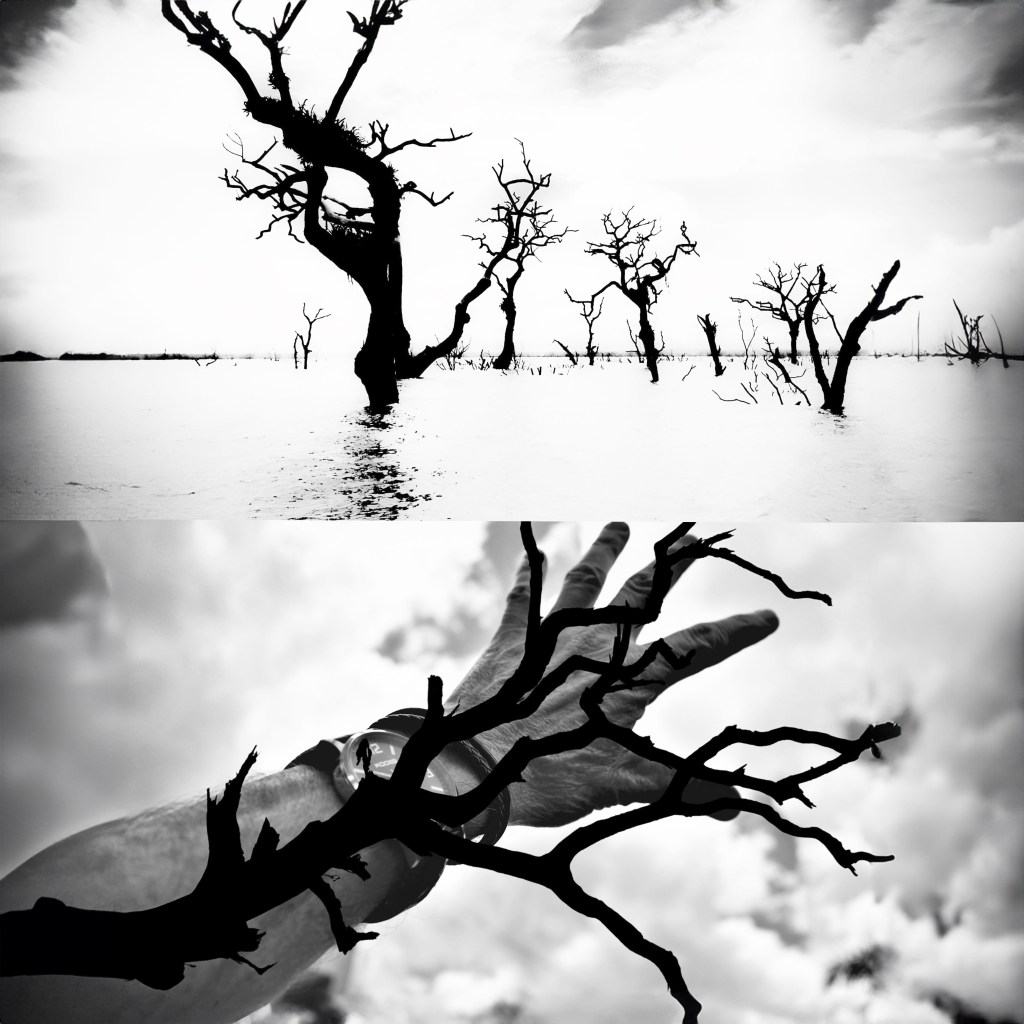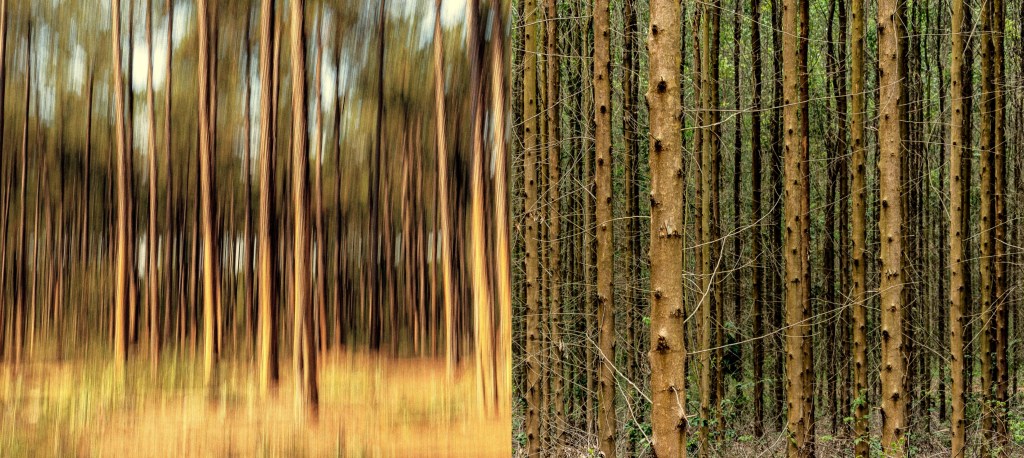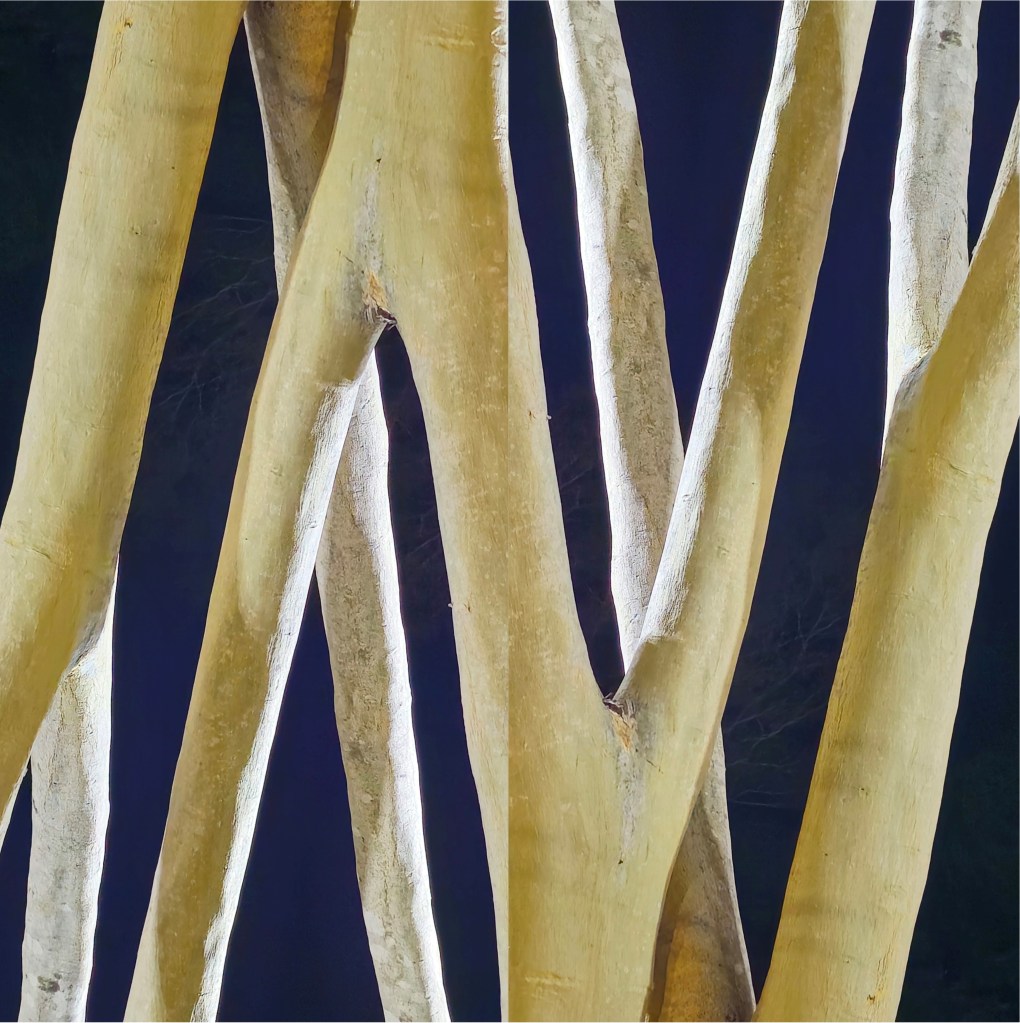
{parallel worlds}

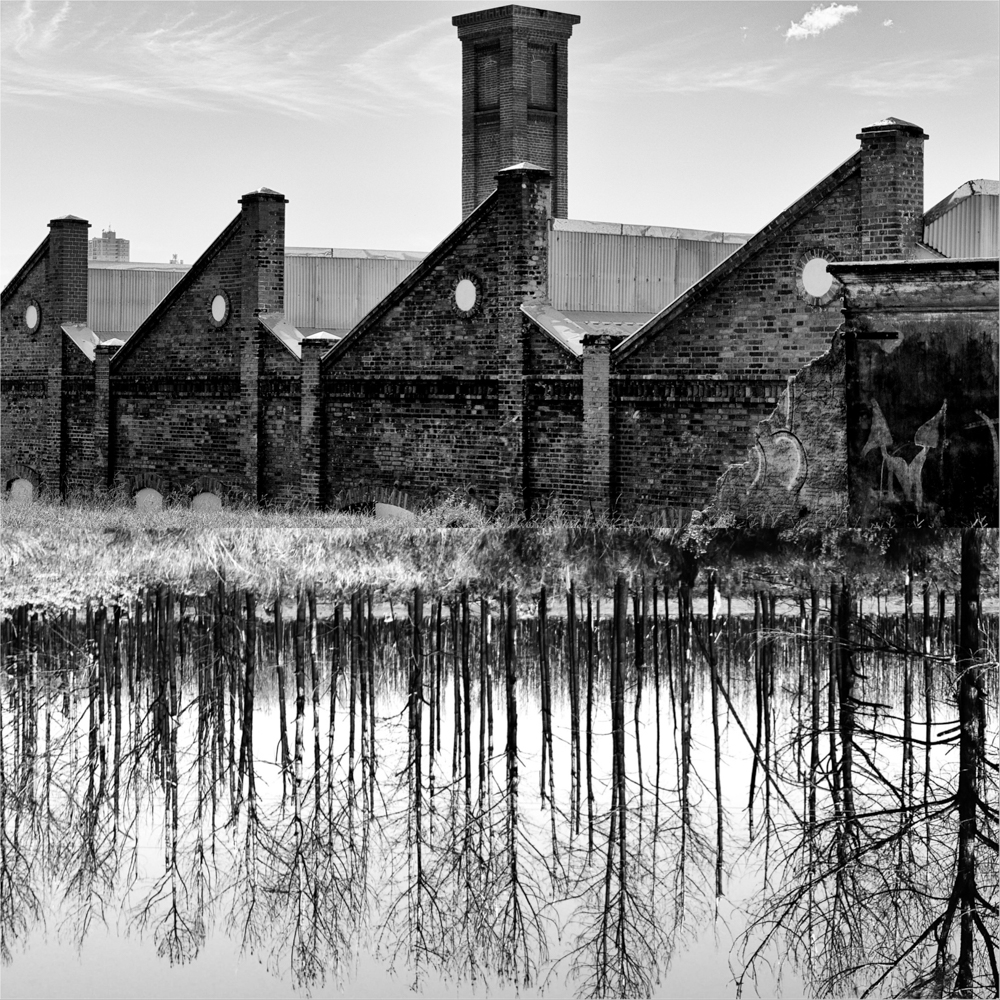
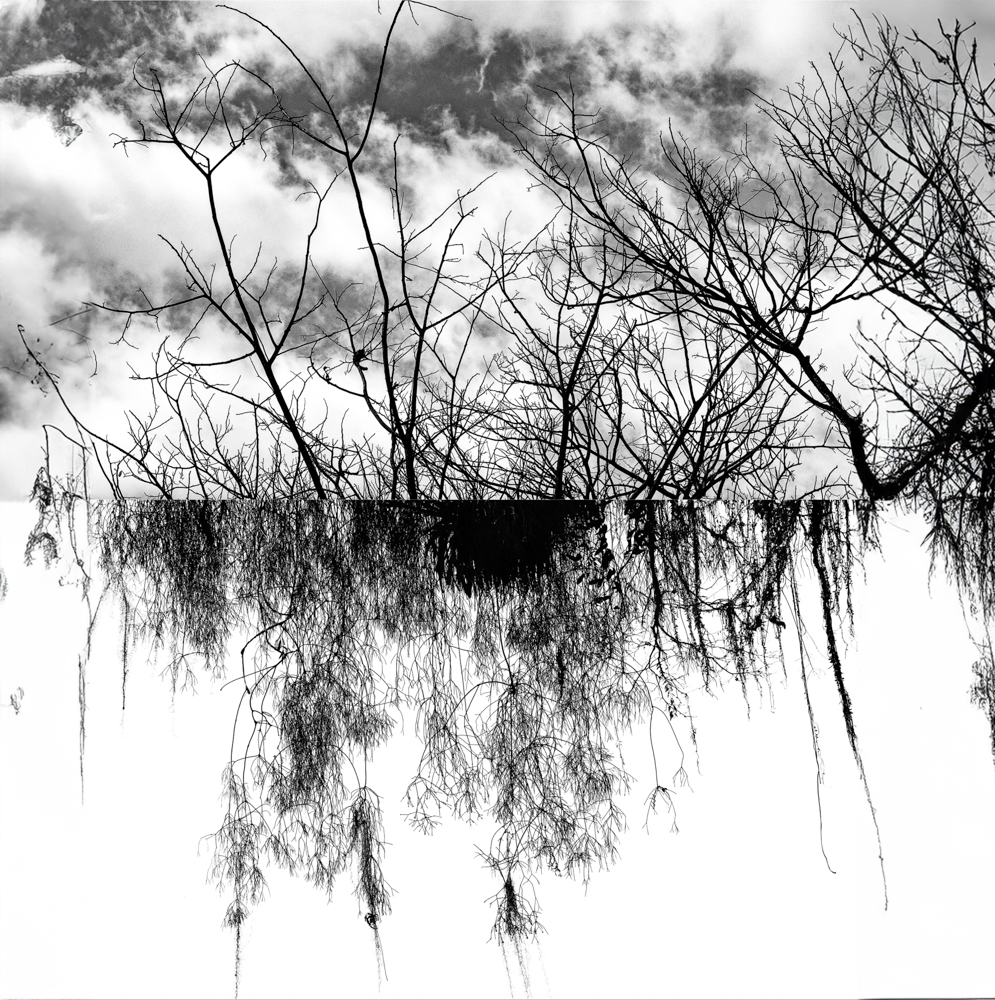
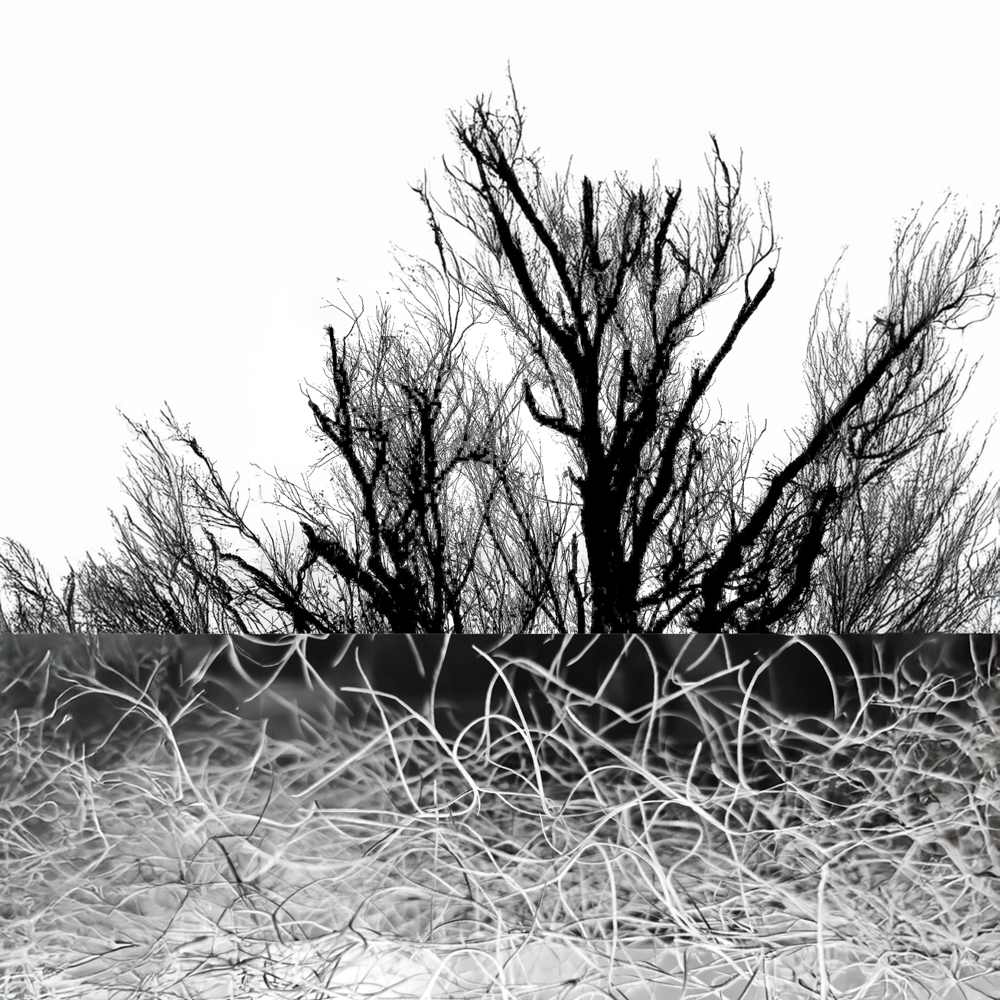
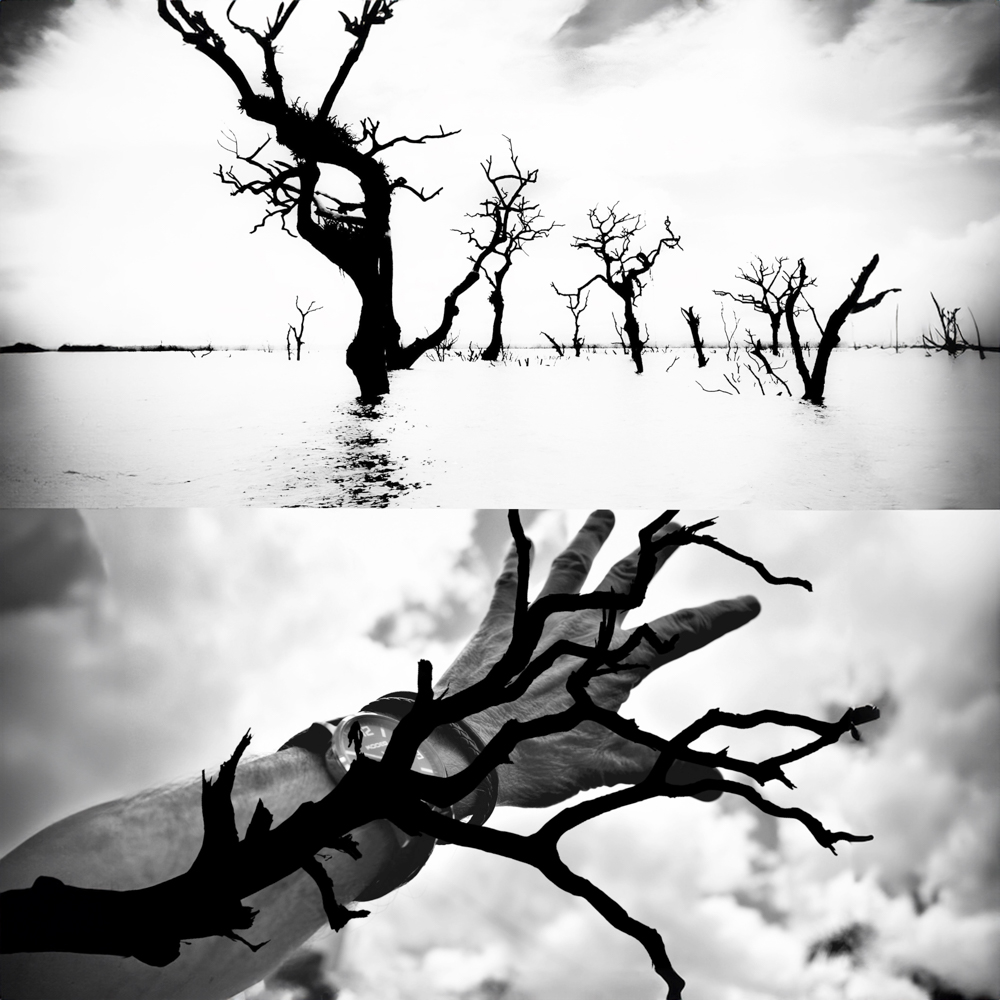
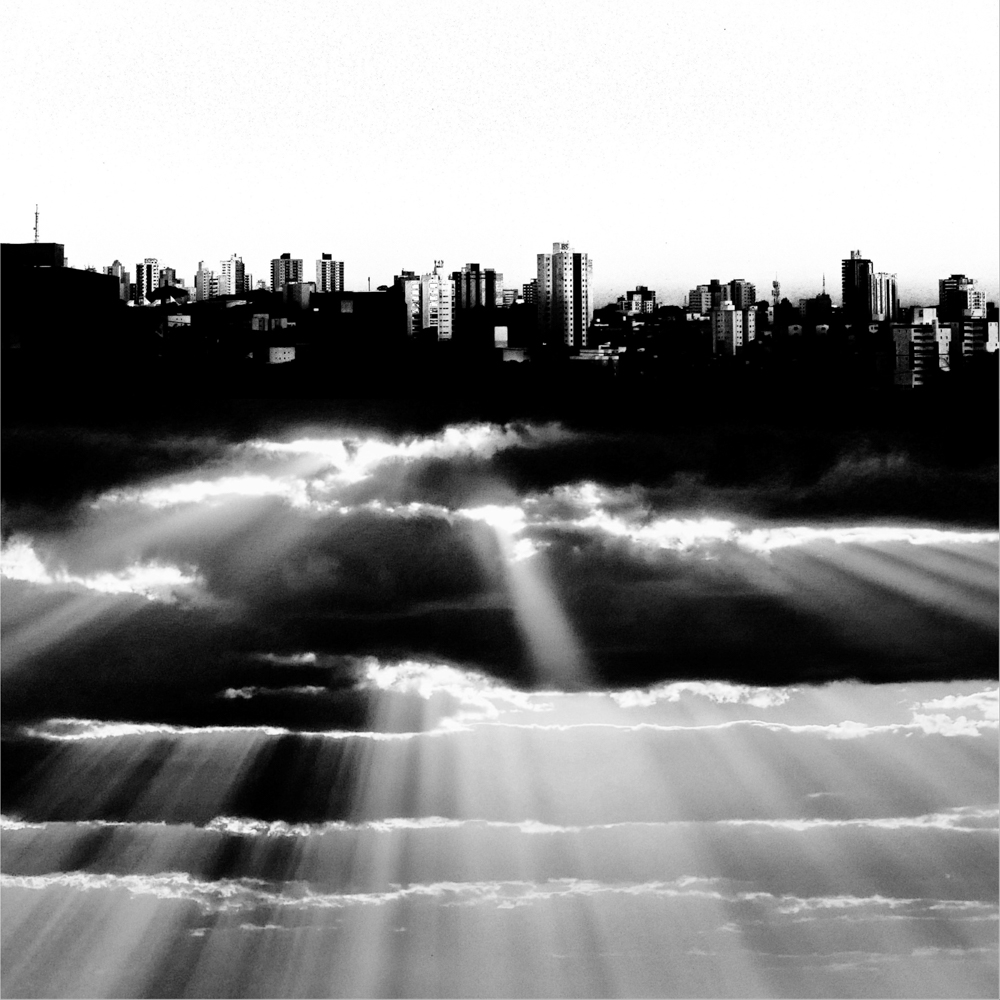
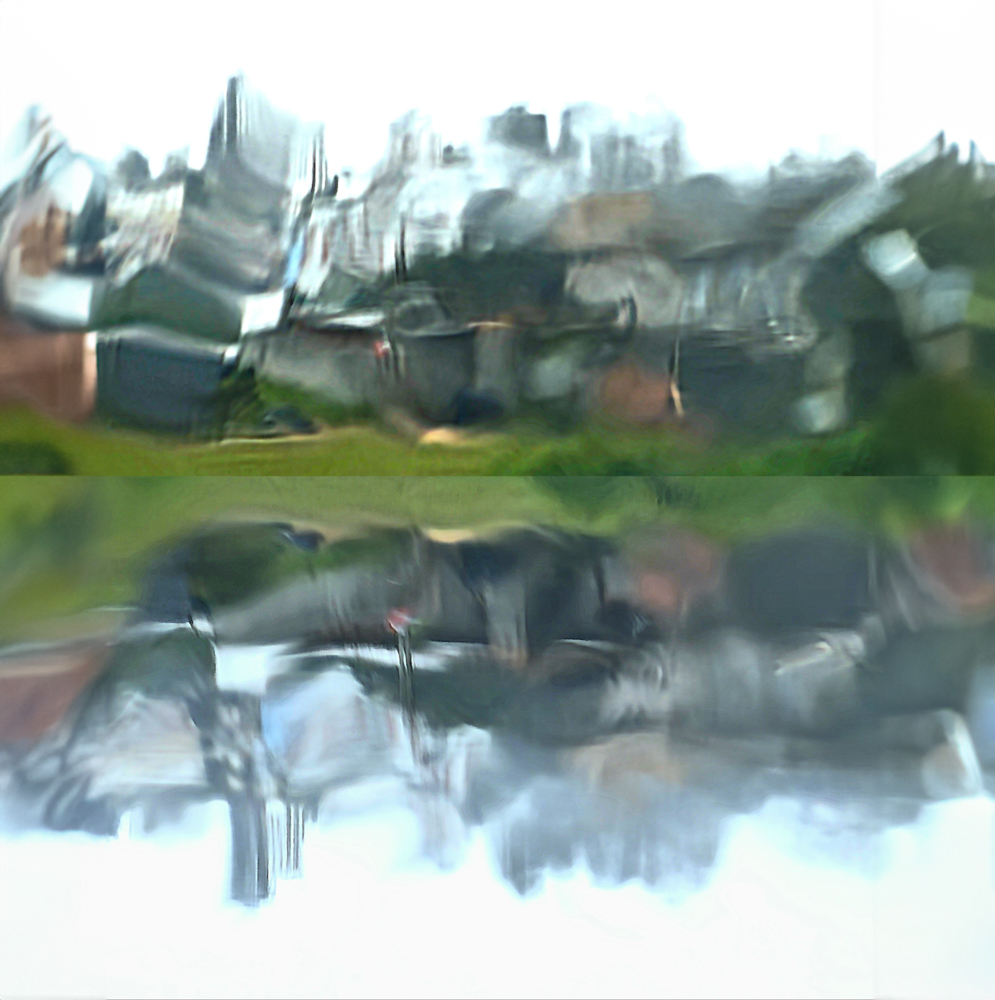
This project combines aesthetic, philosophical and ecological perspectives to reject humanity’s purely utilitarian relationship with nature, framing it as spiritual and existential. Through dynamic diptychs, it visualizes interconnected realities where environmental awareness and aesthetic contemplation converge, inviting a reimagined role in the world. Highlighting both the visible elements and the interaction between ecosystems, society and human subjectivity, it seeks to highlight our deep ties with nature and the impacts of our choices on ecological and social balance.

By rejecting the utilitarian view of nature and treating it as something spiritual and existential, our relationship with the natural world is redefined, inviting people to see nature not only as a resource, but as a partner and an essential element of the human experience. As Giuseppe Penone (Italian artist and sculptor) once said, “man is not a spectator or an actor, he is simply nature” (Giuseppe Penone).

Dynamic diptychs offer an opportunity for contemplation. Visual aesthetics are not just about beauty, but a form of meditation on the interconnectedness of life. They can provide a space for viewers to reflect on their own lives and practices in relation to the environment.

By representing the complexity of interactions between ecosystems, society and subjectivity, visualizing interconnected realities, the project aims to expose the web of life that unites us all. This approach can help to demystify the idea of ​​separation between humans and nature (e.g., the basis of Giuseppe Penone’s work mentioned above)(*), promoting a more holistic understanding of our place in the world.

(*) as a good example to be given coming straight from the art world.

By interweaving environmental awareness with aesthetics, the project offers a new narrative that can resonate emotionally with audiences. This fusion can be a powerful motivator for action, encouraging people to reconsider their choices and their impact on the planet.

The emphasis on both visible and invisible elements and the interaction between them highlights how our perceptions shape our experiences. This may include exploring how personal and cultural narratives influence our relationship with nature, revealing that our subjectivity is deeply embedded in the natural world.

By highlighting the impacts of our choices on ecological and social balance, the project can serve as a call to action. This could include reflections on consumption, sustainability and collective responsibility, promoting greater awareness of how our decisions affect the world around us.

The conclusion is that this project not only seeks to create an understanding of the relationship between humanity and nature, but also invites people to become part of this narrative. By integrating aesthetics, philosophy and ecology, it becomes a platform for reimagining our role in the world, encouraging a deeper engagement with environmental issues. The proposal to highlight our deep ties to nature and the impacts of our choices manifests itself by engaging the audience in an experience that is both intellectual and emotional. In this way, the project can inspire a significant change in the way people perceive and interact with the natural world, promoting a more sustainable and harmonious future.
{parallel worlds}

Parallel worlds: This project merges aesthetic, philosophical, and ecological perspectives to reject humanity’s purely utilitarian relationship with nature, framing it as spiritual and existential. Through dynamic diptychs, it visualizes interconnected realities where environmental awareness and aesthetic contemplation converge, inviting a reimagined role in the world. Highlighting both visible elements and the interplay between ecosystems, society, and human subjectivity, it underscores our deep ties to nature and the impacts of our choices on ecological and social balance.

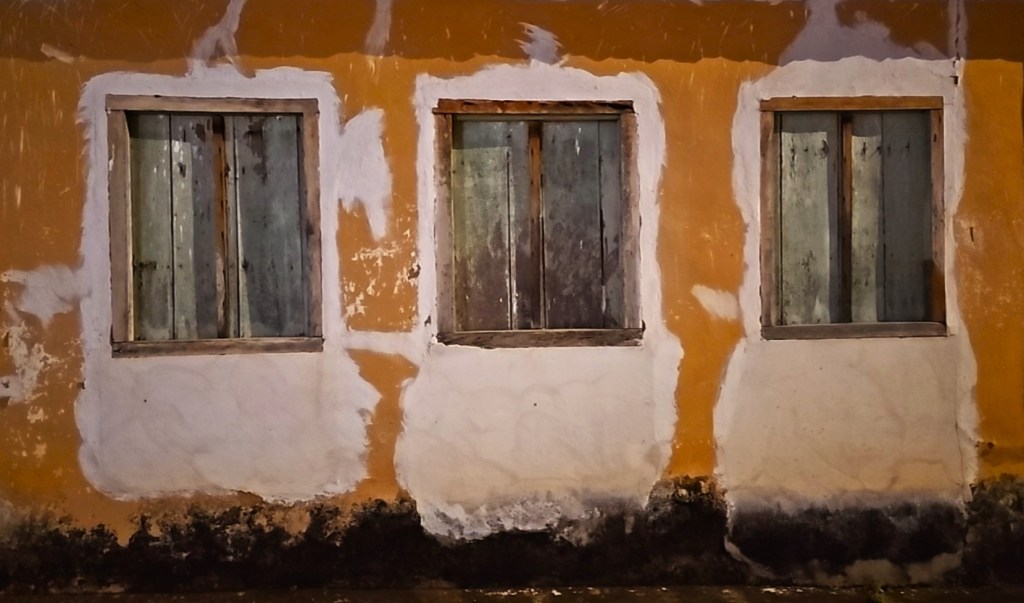
{three windows}

{three windows}

A long-abandoned old house in Cássia (Minas Gerais – Brazil).

I was happy to discover it and bring it back to life in my photo (night photo), which changed my night for the better.

I liked the title that Prof. Guilherme Ghisoni (Labfotofilo – Philosophy of Photography Research Laboratory, FAFIL-UFG, Goiás, Brazil) gave to this photo, also published on my Instagram: THE SUM OF TIMES. I found the title inspiring and it fits the photo perfectly.

This scene values ​​the aesthetics of imperfection, that is, the beauty of imperfections, thus aligning itself with the Japanese philosophy of wabi-sabi, which sees value in aging and the transience of things. Therefore, the title given, “The Sum of Times”, is very expressive, in my opinion, because it reinforces the idea that the present is built from the layers (imperfect, but beautiful) left by the past.

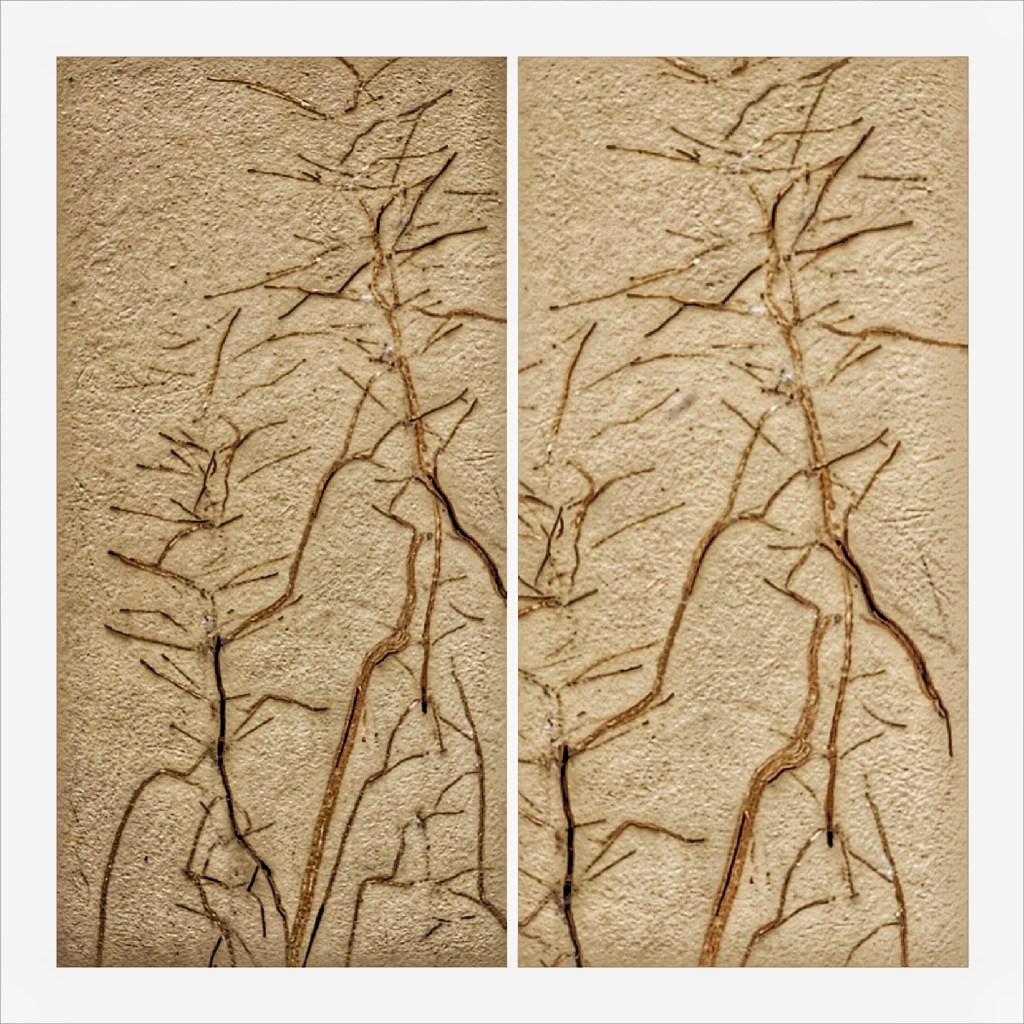
{resilience}

from the project “ambiguities, dualities, parallel worlds: a small collection of diptychs”

diptych title: resilience

A RECORD OF THE DEAR FRIEND JUAN ESTEVES (in memoriam):

“Antonio Mozeto’s images of the interior of São Paulo are full of contrasts and reveal a Brazil that is rare to see in the harmony of the landscape’s graphics and in the topographies altered by man, a moment of a precious amalgamation”

Part of the text by Juan Esteves about the collective photography exhibition called TERRITORIES exhibited at Casa PEF Klink during the 2020 Paraty em Foco festival (Paraty, RJ).

[happy new year]

From the preface I wrote for my intended future book on the art of photography, now called “ambiguities, dualities, parallel worlds – a small collection of diptychs”, I extracted this small excerpt that says:
————-“In my diptychs I give new meaning to my photography and I have the clear feeling that I give new meaning to myself: my dreams and failures; my life”—————


Having said this and republishing one of my favorite diptychs from 2024, I would like to wish my friends a truly new year, with much peace, with renewed hope for a world without the horrors of war and hunger.

{merry christmas}

Think of the children of Palestine, living orphans
Others massacred by bloodthirsty drones and missiles,
Murdered without mercy
By hunger, thirst and bullets
Think of their decapitated limbs
Their hearts torn apart
Wounded, despised, like red poppies
Dried in a vase without water on a table
In a corner of some house
That no longer exists
Also torn apart

However, do not forget the red poppy
The red poppy of Palestine
Stained, dirty with blood
The same color as the blood spilled today
The dried, dehydrated red poppy
That will be justly defied

(Merry Christmas…to rethink Christmas, for a more just world, without wars and without hunger)