BETWEEN WORLDS
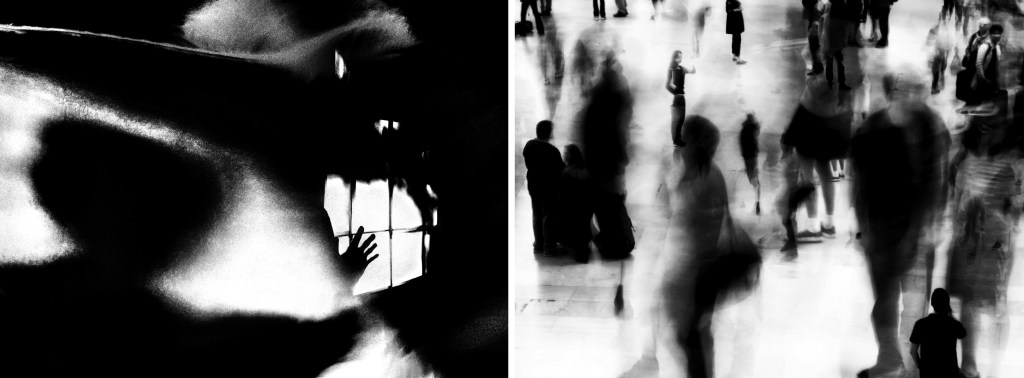
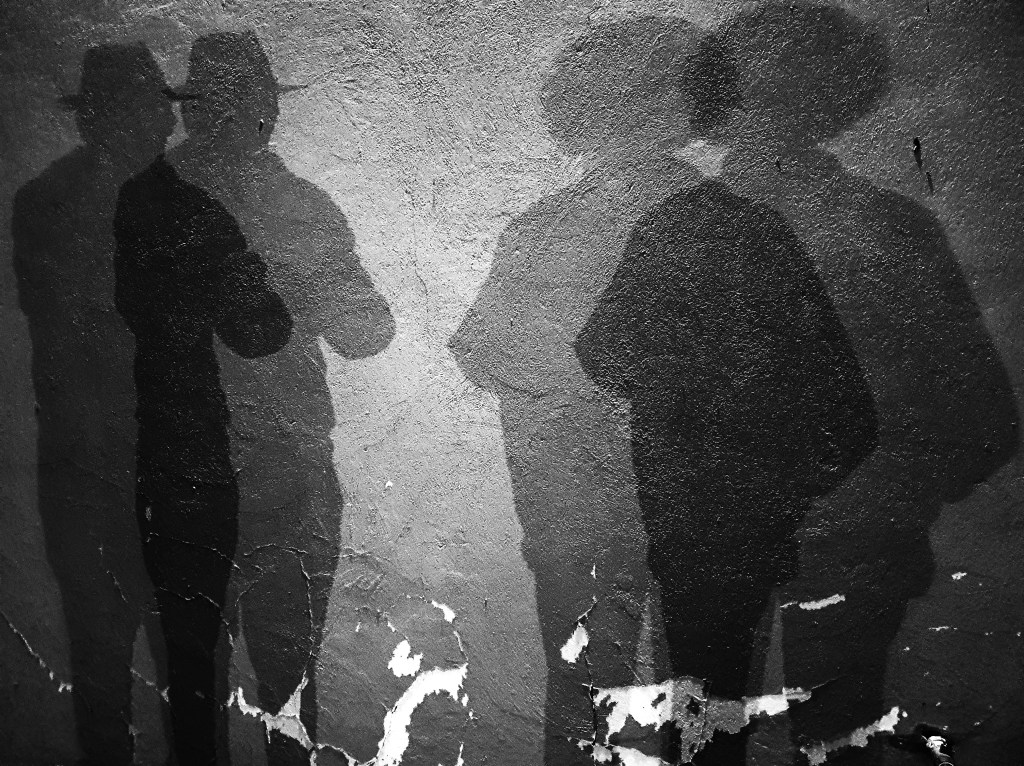
Windows open passages to what the eye can reach, but also to that which remains hidden. Distinct realities intertwine within an uncertain territory, where each seems to hold traces of the other. Light passes through the glass, revealing forms and casting shadows, yet without dispelling every mystery. Amidst presences that persist and figures that dissolve into motion, the world reveals its fleeting nature. What vanishes leaves traces behind; what remains is no longer exactly what it once was. There are presences that survive in this way—on the fringes of the visible—silently traversing time and memory.
Work entered into the open call for the ‘Campos de Luz’ Photography Festival in Campos do Jordão, SP, Brazil (Nov 06–08, 2026), which features the theme ‘Crystal Windows’.


An amazing series.
LikeLike
Thank you, Victor. This is a series—or rather, a project—that I have been working on for about four or five months now. I have been reading and rereading Italo Calvino’s Invisible Cities, drawing inspiration from it to curate a selection of my own photographs that resonate with the various “invisible cities” Calvino imagined—dreamlike, fantastical places born from the mind of this great Italian writer.
For instance, these diptychs relate to Eusapia, one of the most fantastical of Calvino’s cities, represented here through the “persistence of presences.”
Much like in Eusapia—one of the most fascinating cities in Calvino’s Invisible Cities—the figures inhabit an uncertain boundary between presence and absence. Bodies dissolve into light and shadow, becoming traces of a passage that is already beginning to transform into memory. The city emerges as a space where the living and the absent share the same invisible realm, reminding us that every human landscape is composed as much of those who pass through it as of those who remain, silently inscribed within time.
Eusapia is one of the most compelling cities in Invisible Cities because it explores the relationship between life, death, memory, and continuity. To soften the transition into death, its inhabitants build an underground city identical to the city of the living. There, the dead continue their daily lives—attending banquets, working, and interacting—as if existence had never been interrupted.
Yet, the narrative’s deeper meaning reveals itself when the relationship between the two cities is inverted. Initially, the living believe they are merely replicating their own city within the realm of the dead. Over time, however, it becomes clear that the dead are continuously altering the underground city, and the living, in turn, begin to copy these transformations. In the end, it is no longer clear which city is the original and which is the copy, nor even who among them are the living and who are the dead. antonio mozeto
LikeLike